
























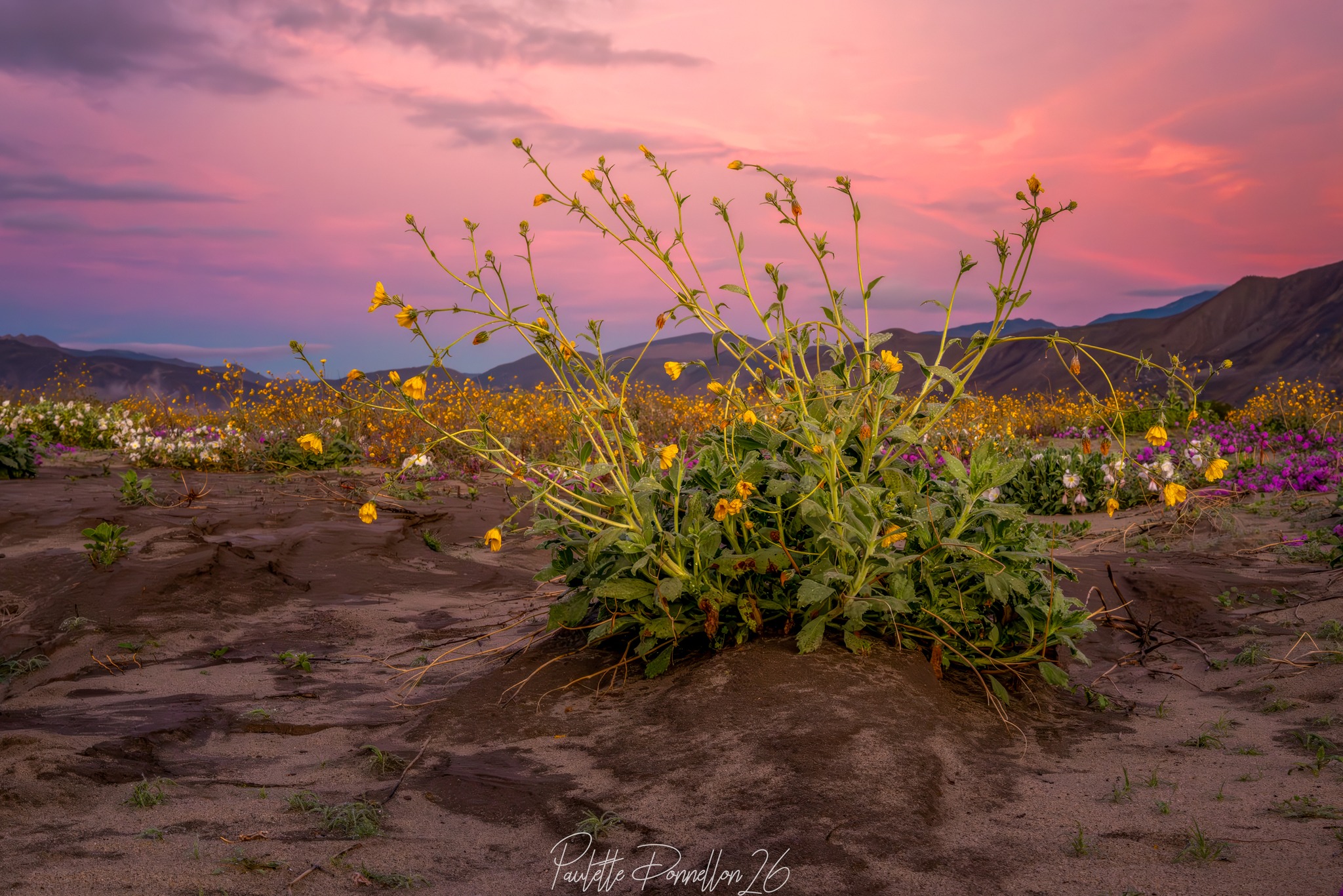
According to California State Parks, 2026 will see a “moderate-to-strong” wildflower bloom throughout desert state parks like Anza-Borrego Desert State Park, Arthur B Ripley Desert State Park and more.
To find some of the best parks for wildflower viewing, check California State Parks’ interactive map, DesertUSA’s Wildflower Reports or Theodore Payne’s Wild Flower hotline, which returns March 6 with weekly flower updates through May. And check the PoppyCam Live Feed for live views of the Antelope Valley California Poppy Reserve State Natural Reserve.
Carrizo Plain National Monument
This large, enclosed grassland plain in California’s Central Valley offers over 200,000 acres of public land for hiking, camping and wildflower viewing. The Carrizo Plain National Monument features the white alkali flats of Soda Lake, the sandstone rock formation Painted Rock, ridges and ravines created by the San Andreas Fault, which runs along the eastern edge of the Plain, and open grasslands. With enough rainfall during the winter, this unique landscape can create breathtaking views of California native wildflowers blanketing the valley floor.
The remote monument is a little too far for a day trip from L.A., but New Cuyama, just an hour drive south of the Plains is the perfect home base for your California wildflower road trip. Stay at Cuyama Buckhorn, a 21-room roadside resort originally established in 1952. Today it has a full restaurant, bar, pool, sauna and stylish rooms with vintage touches and modern amenities. Cuyama Buckhorn is celebrating wildflower season with their annual Wild Flour Celebration from April 24-26. Bring the whole family for a weekend of flowers and flour, from bread making workshops to a pizza party with live music.
Anza-Borrego Desert State Park
As the largest state park in California, Anza-Borrego Desert State Park protects 600,000 acres of desert terrain. About a three-hour drive south from L.A., it might be worthwhile to make this wildflower destination a weekend trip. Nearby mountain town Julian, known for their apples, or Palm Desert, just an hour drive from the park, would make great home bases. Or, you can camp in the park, which offers designated campsites and free dispersed camping.
Beginning in early March, varieties of cactus bloom pink and yellow. Other desert wildflowers include Apricot Mallow, Desert Woolstar and Wild Heliotrope. Since the park is so large, a good place to start is at The Visitor Center where you can watch the short film, “A Year in theDesert,” and walk through the Desert Garden, which provides a glimpse into the vegetation typical to the park. There is a $10 visitor fee at this entrance. However, the park has other entry points that do not require a fee.
On your way in or out of the park, you must visit Ricardo Breceda’s art gallery, an outdoor gallery featuring the artist’s larger-than-life metal sculptures. Kids will love to roam past towering dinosaurs and rows of desert animals, cacti and other sculptures.
For up to date wildflower sightings call the Anza-Borrego Desert State Park Wildflower Hotline at (760) 767-4684 or check Anza-Borrego Foundation’s wildflower updates.
Walker Canyon at Lake Elsinore & Diamond Valley Lake in Hemet
Many wildflower enthusiasts know that Antelope Valley California Poppy Reserve is not the only place to immerse yourself in our state flower. About 60 miles southeast of L.A., Walker Canyon at Lake Elsinore is also home to the California poppy. After 2019’s unusual super bloom, which caused thousands of people to visit the poppy fields every weekend, the secret is out.

The Walker Canyon Trail is a 9-mile out and back trail, which is great for hiking, running or general exploring. For more family-friendly activities, visit Lake Elsinore, SoCal’s largest natural, freshwater lake. The 3,000-acre lake offers fishing, kayaking, boating, wind surfing, jet skiing and more.
Nearby Diamond Valley Lake has its own wildflower trail, which opens Feb. 27. The seasonal trail features California poppies, lupines, purple Canterbury bells and more. The trail is a 1.3 mile loop open to hikers and bikers Wednesdays through Sundays from 6:30 a.m. – 4:30 p.m., with no entry after 3:30 p.m. Beginning March 8, hours will extend to 5:30 p.m.
Joshua Tree National Park
Just two and a half hours east of L.A., Joshua Tree National Park is a favorite family-friendly weekend getaway. With its many campgrounds, hiking trails and stunning Joshua Trees, it’s a worthwhile trip any time of the year. But in spring, visitors have the chance to see desert flowers like the stunning pink blooms on Engelmann’s hedgehog cactus and beavertail cactus, the greenish yellow blooms of the silver cholla, and the creamy white flowers of the Joshua Tree.
Joshua Tree National Park teamed up with iNaturalist, a free app, to report and record flower observations. Check out the Joshua Tree National Park Wildflower Watch to see where your favorite wildflowers are blooming.
On your way to the park, check out Cactus Mart, a cactus nursery featuring cacti, succulents and other desert plants, in Morongo Valley. You can browse the desert plants, many of which are blooming in spring, say hi to the resident goat and cats and take a piece of the desert home with you.
Antelope Valley California Poppy Reserve State Natural Reserve
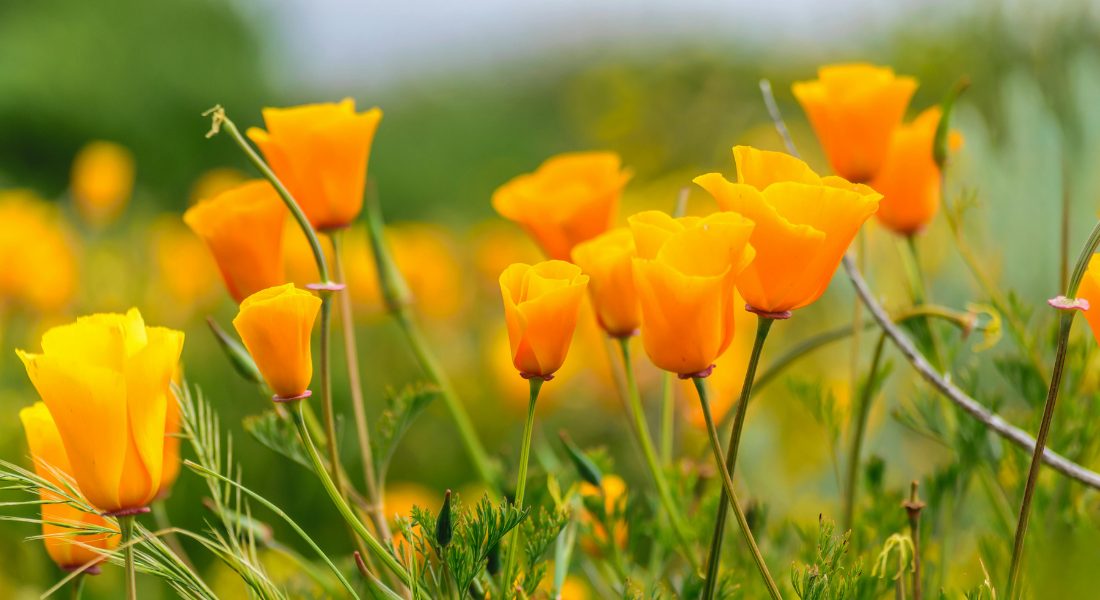
An hour and a half drive north of L.A., this state-protected reserve features uninterrupted views of our state flower, California Poppy, from February to May. The best time to visit Antelope Valley California Poppy Reserve is in April, depending on rain, when the rolling hills are painted a brilliant orange. But there are other wildflower colors, too, like lupine’s deep purple and goldfield’s bright yellow, dotting the hillside.
Day-use entry is $10 per vehicle and is valid for entry at other California State Parks charging the same or lower rate. Nearby Arthur B. Ripley Desert Woodland State Park is home to native Joshua Tree and Juniper woodland. The Joshua Trees bloom, too, when conditions are right. Just 30 miles east of the Reserve is Saddle Butte State Park, where you will see more Joshua Trees and different species of wildflowers. There are also hiking trails and picnic tables.
For more spring flower viewing, check out our guide to flower fields, farms & festivals.