
























If you’re a parent, chances are you’ve had this thought at least once — or maybe once a day:
I need to get organized.
But the moment that thought appears, it suddenly feels enormous and your brain goes to: a weekend project, a full-house cleanout, hours of sorting toys, school papers, clothes, stray socks, art projects and half-used water bottles that multiply overnight.









For parents with young children, that kind of project can feel nearly impossible. So the piles grow. The papers stack up. The toys slowly spread across the floor. And many parents assume the problem is discipline — theirs, their children’s, or both.
In my work as a professional organizer — and in my own life as a mother of four and now a grandmother — I’ve learned that the problem is rarely discipline or motivation.
It’s scale.
When a task feels enormous, the brain resists starting it at all. But when a task is small and clearly defined, it becomes surprisingly manageable.
That’s where the 18-Minute Reset comes in.
Instead of trying to “get organized,” you give yourself just 18 minutes to reset one small area of your home. Not the whole house. Not even the whole room. Just one space.
Why 18 Minutes Works
Eighteen minutes is long enough to make meaningful progress but short enough that your brain doesn’t register it as a major commitment.
When I work with parents, I often suggest fitting an 18-Minute Reset into natural transitions during the day, such as:
- in the morning after school drop-off
- in the afternoon before leaving to pick the kids up
- all day long between washer and dryer cycles
During those 18 minutes, give the reset your full attention. Don’t answer your phone. Don’t check messages.
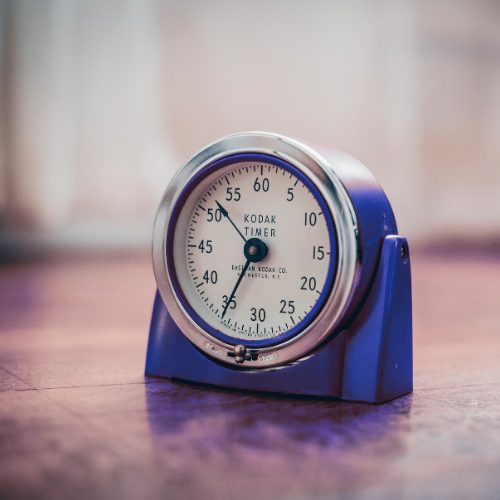
This is one reason I suggest using a simple kitchen timer instead of your phone. When the phone stays out of reach, those 18 minutes become focused and surprisingly productive.
The goal is not perfection.
The goal is movement.
Because when you reset spaces regularly in small increments, clutter never has the chance to grow into something overwhelming.
Step One: Choose a Small Zone
Pick a space that bothers you — one that clutters your home and feels overwhelming.
For families with younger children, good places to start include:
- the kitchen counter where school papers, projects, and sports gear land
- the toy basket in the family room where books, clothes, and even shoes get tossed
- the kids’ closet where clothes get dropped instead of hung up
Step Two: Use the “Yay, Nay, Throw It Away” Method
In my work as a professional organizer, I often guide families through a simple decision method I call “Yay, Nay, Throw It Away.”
Yay — items that belong in this space, as well as items you still use but that belong somewhere else.
Nay — items that aren’t used anymore and can be donated.
Throw It Away — items that are broken, missing pieces or stained.
Start your timer for 18 minutes. Go through the space one item at a time, making a “Yay, Nay, or Throw It Away” decision. Then move on to the next piece of artwork, school notice, snack wrapper or tiny toy from a birthday party goodie bag and make a decision for that item.
This simple and effective system works. You just need to make clear decisions.
Step Three: Put the Items Where They Belong
Put the Yay items that belong somewhere else back in their proper place.
Place Nay items in a bag or box, put the bag in your car, and donate within the next 24 hours.
Take the Throw It Away items out to the trash right away.
Step Four: Stop When the Timer Ends
When the timer rings, stop.
Even if the space isn’t perfect. It likely won’t be.
Stopping matters because it teaches your brain that organizing is a manageable rhythm, not an exhausting marathon.
Involving Your Kids
The 18-Minute Reset can also become a family habit. Children often respond really well to timers. You can adjust the amount of time depending on the age of your child.
You might say, “Let’s see how many things we can put back where they belong before the timer rings.”
Younger kids can return toys to bins, stack books, gather stray socks or match marker caps. Older children can reset backpacks, clear desks or organize sports gear.
When the timer rings, the space likely won’t look perfect. That’s okay. The goal is simply to clear some space.
Small Resets, Big Change
Parents often believe they need a full day to regain control of their homes. But homes — especially homes with children — are constantly changing. Toys appear, school papers arrive, shoes pile up by the door. Trying to organize everything at once can feel overwhelming.
Resetting a small space regularly is far more realistic. Eighteen minutes may not sound like much. But repeated over days and weeks, those small resets create something powerful:
A home that feels lighter, calmer, and more relaxing for the whole family.
Lauren Pearl is mom to four grown and happily married kids who have families of their own now. A lifelong organizer, Lauren has been a professional organizer for more than fifteen years, and has helped hundreds of clients to get decluttered and organized in their homes, hearts and heads through her company, Pearl Concierge Services.