































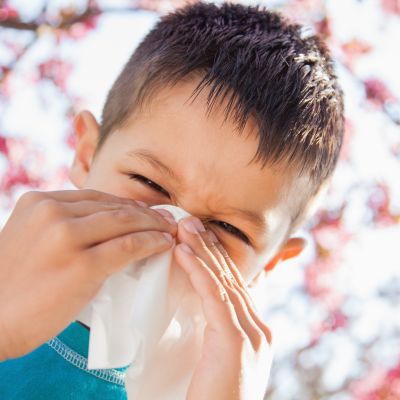
If you’re a parent in Los Angeles, you’ve likely seen it: Your child comes in from playing outside with red, watery eyes, rubbing them nonstop. Or maybe mornings start with puffiness, sneezing and complaints of “itchy eyes” before school.
Seasonal allergies are incredibly common in Southern California, and they don’t just affect noses and sinuses. They have a significant impact on eye health, especially for children.
As an optometrist practicing in L.A., I see firsthand how allergy season can interfere with kids’ comfort, focus and overall quality of life. The good news? With the right knowledge and simple strategies, parents can make a big difference.

Allergy or infection? Understanding the difference.
One of the most common questions I get from parents is: How do I know if it’s allergies or something else?
The key difference lies in what’s causing the symptoms. Allergies are your child’s immune system reacting to an allergen such as pollen, grass, pet dander, dust or even fragrances. When exposed, the body releases histamines. These histamines trigger classic allergy symptoms: itching, redness, watering and swelling.
An infection, on the other hand, is caused by bacteria or a virus. While both allergies and infections can cause red eyes, there’s one hallmark symptom that strongly points to allergies: itching.
Allergic eyes itch. Infections typically do not.
With eye allergies, symptoms usually affect both eyes, include itching, watery discharge, redness or light sensitivity, and may come with puffy eyelids. They also often occur alongside sneezing or a runny nose.
If only one eye is affected, or if there’s thick discharge, that may signal something other than allergies, such as conjunctivitis or “pink eye.”
Why kids are especially affected
About 1 in 5 children experience seasonal allergies. And because kids often spend more time outdoors, they’re exposed to more environmental triggers.
The challenge is that younger children don’t always articulate what they’re feeling. They may not say, “My eyes are itchy.” Instead, you’ll see constant rubbing.
That rubbing is more than a harmless habit. Over time, frequent eye rubbing can physically alter the shape of the cornea, the clear front surface of the eye. This can increase astigmatism and affect vision. It’s one of the reasons managing allergies early matters.
As parents, you become detectives. Pay attention to patterns. Do symptoms flare up:
- After outdoor play?
- After visiting a home with pets?
- On windy days?
- During weather shifts?
Observing these connections can help you identify likely triggers even if your child hasn’t had formal allergy testing.
Unique allergy triggers for L.A. residents
Southern California presents its own set of challenges.
Our region experiences variable air quality, Santa Ana winds, wildfire smoke, rapid weather changes and extended growing seasons. Many people assume rain eliminates allergies. Sometimes that’s true. Rain can temporarily reduce airborne pollen. But it depends on what your child is allergic to.
If the trigger is pollen, rainfall may help. But if the trigger is grass, mold or blooming plants stimulated by moisture, symptoms can worsen. Frequent weather shifts, like we often see in L.A., can stir up allergens and create fluctuating symptoms.
Checking the air quality index (AQI) on high-wind or smoky days can help parents anticipate flare-ups and plan accordingly.
What I look for during an eye exam
When I examine a child with suspected allergies, I’m not just listening to symptoms; I’m looking for physical signs of inflammation.
Allergic reactions create visible changes in the eye’s surface tissues. The body’s inflammatory response is something we can actually see under magnification. That’s why regular eye exams are valuable, especially if your child experiences ongoing irritation.
Sometimes what parents assume is “just allergies” may need targeted treatment or monitoring.
Simple, effective relief at home
The good news is that many allergy-related eye symptoms can be managed. Here are my go-to recommendations for parents:
1. Cool compresses (not warm). For allergies, always use cool compresses. Cool temperatures help reduce inflammation and soothe itching. Warm compresses are helpful for other eye conditions, but not for allergic irritation.
2. Rinse the eyes. Preservative-free artificial tears can be used to gently flush allergens off the surface of the eye, especially after outdoor sports or playground time. Think of it as washing pollen away.
3. Hypochlorous acid sprays. There are child-friendly hypochlorous acid sprays available. While these aren’t antihistamines, they can help reduce irritation and support eyelid hygiene, particularly important when kids have been rubbing their eyes and introducing bacteria to the area. This topical solution is for the skin around the eyes, the lids and lashes. Be sure to spray gently while the eyes are closed.
4. Monitor systemic symptoms. If eye symptoms are accompanied by significant sneezing or a runny nose, pediatric antihistamines may be appropriate. Always consult your child’s pediatrician before starting medication.
When to seek professional care
If symptoms persist year-round, interfere with school, activities or sleep, cause significant redness or swelling and don’t improve with basic measures, it’s time for an eye exam. Your eye doctor can help confirm the cause and recommend treatment options.
The bigger picture: Quality of life
Allergies may seem minor, but for kids, constant itching and watering can be exhausting. I often remind parents that treating eye allergies isn’t just about appearance, it’s about comfort and focus.
In L.A., where kids are active outdoors year-round, being proactive matters. Watch for patterns. Notice behaviors. Trust your instincts. You know your child best.
With simple interventions and attentive care, most allergy symptoms can be managed effectively, helping your child get back to what matters most: learning, playing and seeing clearly.
Dr. Danielle Richardson, a VSP network optometrist and founder of CLARITY in Los Angeles, is dedicated to helping families protect their eye health at every stage of life.