





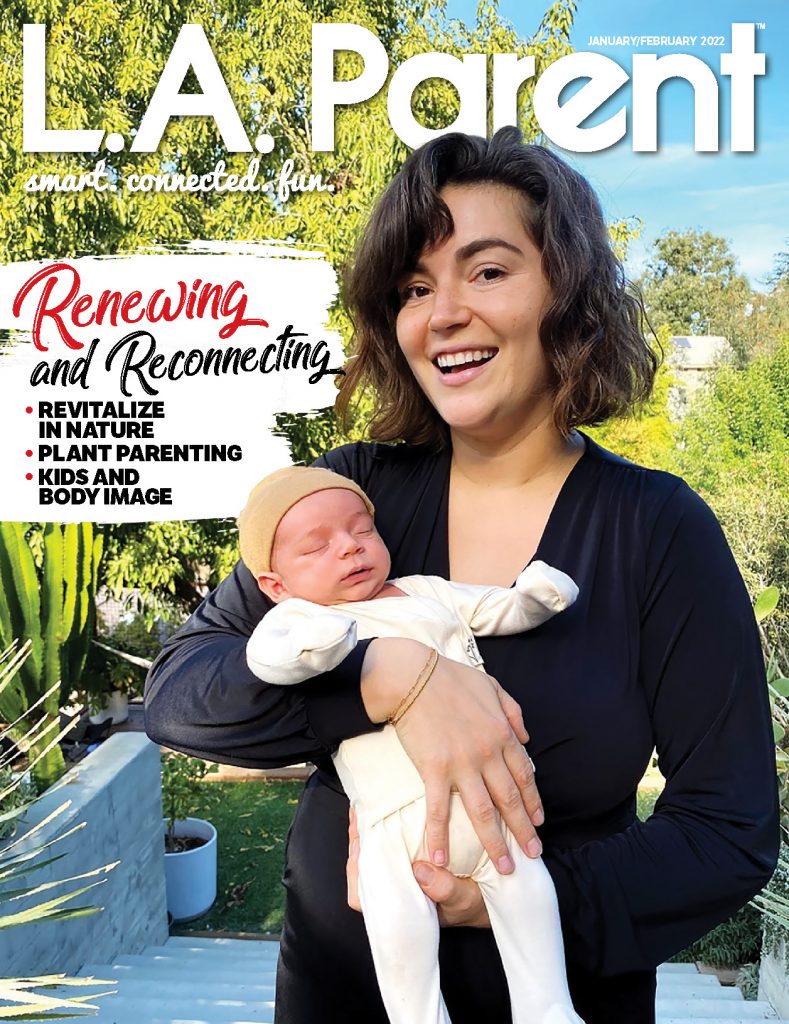


















As GLP-1 medications dominate headlines and social media feeds, many L.A. moms are wondering what this new era of “microdosing for thinness” means for their own health and for the messages their kids are absorbing. Is “skinny” really back — and at what cost to body image and well-being?
We asked Amanda Velazquez, M.D., director of Obesity Medicine in the Department of Surgery at Cedars-Sinai, to weigh in on the rise of diabetes drugs for weight loss and how parents can counter harmful body narratives at home.
We are hearing a lot about L.A. moms microdosing diabetes drugs for weight loss. Have you been seeing this trend?








No, not in our clinical program.
What are your thoughts about using these drugs to lose 10–20 pounds without being diagnosed with diabetes or prediabetes?
These are FDA-approved medications for the treatment of type 2 diabetes. They are also used off-label for the treatment of obesity and overweight with weight-related medical conditions. If individuals are taking these medications purely for aesthetics, that is not their purpose. The purpose of these medications is to improve a patient’s health.
For several years, we were seeing more body-positive messages in social media and advertising campaigns, but it seems that “skinny is back” due to the common use of these types of drugs. Are you seeing this trend?
For some patients, body image strongly shapes how they see themselves, and social media messages that link thinness to GLP-1 use can reinforce a harmful focus on body size rather than overall health and well-being.
How do we as parents promote a positive body image for our kids, especially young girls?
Parents can support positive body image by normalizing body diversity and focusing praise of our children for who they are and not for how they look. This helps kids learn that their worth is not tied to how their bodies look.

What advice do you have for moms who are struggling with their own body image?
For moms struggling with body image, it is important to recognize that persistent distress or body dysmorphia is real and treatable and support is available. Talking openly with a healthcare clinician can help identify helpful resources and approaches rooted in compassion rather than self-criticism.
How does a mom’s body image shape her children’s view of themselves?
A mother’s body image strongly shapes how her children see themselves because children absorb what parents say and do about bodies. When parents model positive self-talk and separate worth from appearance, children learn to do the same.
How do you talk about the messages that social media is sending about body image?
It is important to educate children on the fact that social media promotes unrealistic standards and edits reality. I encourage parents to teach their children media literacy instead of internalizing harmful messages that have health consequences for our youth.
How do we talk about eating healthy without sounding like all we want to do is limit calories?
Healthy eating can be framed around nourishment, energy and satisfaction vs. calorie counting or restriction. I encourage patients to avoid food moralization, which means not labeling foods as “good” or “bad.” This helps children build a healthier, less shame-based relationship with eating.
How do we encourage movement without sounding like all we want is to be thin?
Movement is important for one’s mental, emotional and physical health. Focusing on the health benefits of movement and why your child genuinely enjoys movement can help support their physical activity.
How do we respond when our 7-year-old says, “I shouldn’t eat that cookie. I’ll get fat?”
I recommend having a nonjudgmental, compassionate conversation with your child by asking what they think about cookies and what they believe about people in larger bodies. This helps you understand where their ideas are coming from and gently guide the conversation toward body respect, food neutrality and self-worth that is not based on size.
Let’s Change the Narrative
All body shapes and sizes are acceptable. Body size is not an indicator of health, nor does it hold any moral value. Here are some ways to reframe common body-critical comments in more body-positive ways:
I shouldn’t eat these fries — I’m getting so fat. → I’m allowed to enjoy these fries, and eating them doesn’t define my health or my body.

I’d better go to the gym after eating that piece of cake. → I move my body because it supports my health, not to compensate for eating.
She lost so much weight — she looks amazing. → People lose weight for many reasons, including illness or stress, and we often don’t know the full story. I choose not to comment on others’ bodies.
I look so fat in this dress. → I don’t want to spend my time criticizing my body, so I’m going to change into something more comfortable.
I hate bathing suit shopping. I’m so fat. → I’m excited for warm weather. I’m going to find a bathing suit that helps me enjoy it.(Shift focus onto the positive aspect of why you need a bathing suit).
Amanda Velazquez, M.D., DABOM, FTOS, is director of Obesity Medicine in the Department of Surgery at Cedars-Sinai.