























Play is children’s universal language. And since we were all once children, we can tap into that childlike way of interacting with others — especially our children — at any time.
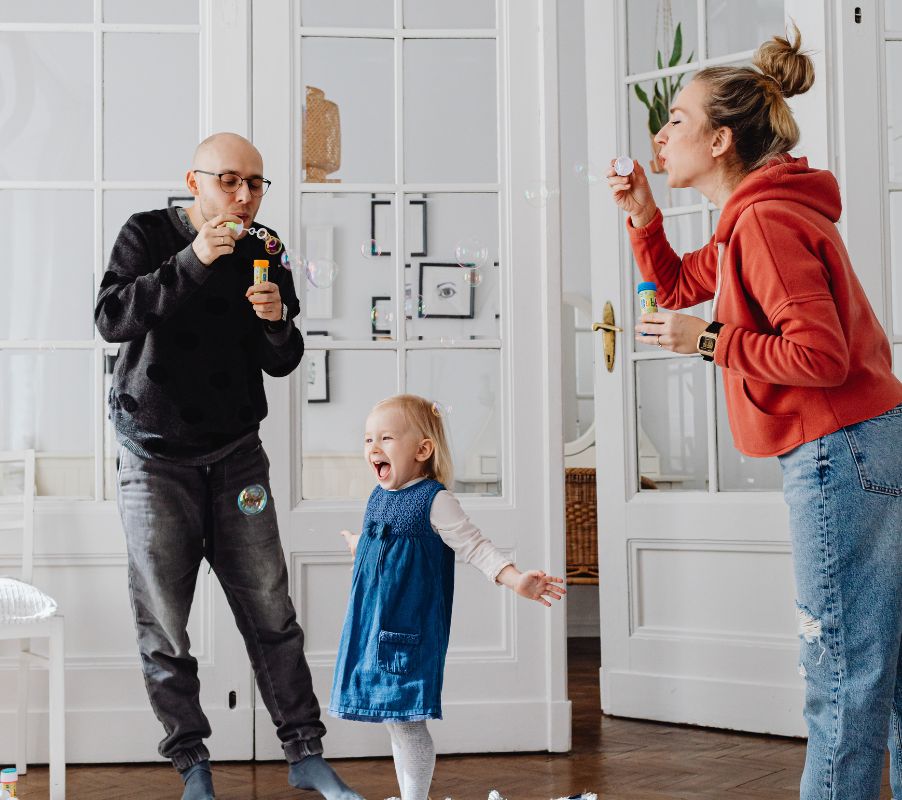
In this current climate, many parents are determined to “get back to the basics.” Instead of reaching for the latest smartphone, they’re choosing landline phones. Instead of allowing their children to spend hours in front of the TV, they’re participating in what they’ve coined ‘90s play.
These parents are onto something. Playing with a child builds trust, and it’s one of the most effective ways to create significant attachment and emotional safety between parent and child. A parent’s attitude, interest, encouragement and response towards play make a difference in how children play. If a parent doesn’t value play, there will be a disconnect between the parent and child. Reciprocal play between a parent and a child is ultimately the most fundamental aspect to a child’s healthy development, emotional well-being and mental health.








Why play is essential for child development
And play is so powerful! Through play, children develop, learn and practice communication, language and social skills, as well as strengthen critical thinking and problem-solving skills. They are also able to freely use creativity, imagination, express emotions and build resilience, confidence and competence. In addition, play allows children to practice sharing and strategies to resolve conflict.
I have found that when parents have inhibitions or anxiety around play, it’s often because society tells us we are silly or immature if we play. We become self-conscious and embarrassed — even with our own children.
And even when parents are willing, another obstacle often gets in the way: exhaustion. What if, after working and taking care of the family, you are simply too tired to play? But our children only have one shot at childhood. And it is our responsibility to grant ourselves permission to fully engage in play with our children.
Play doesn’t have to be complicated
But what if, after working and taking care of the family, you are too exhausted to play? Here’s the good news: Play doesn’t have to be complicated. It doesn’t have to take a lot of time, effort or energy. Play is a lot like self-care in this way. There is a common belief that self-care is made up of grand gestures — a day at the spa, a long, candlelit bubble bath or a luxurious getaway. Rather, micro self-care can be done intermittently throughout the day. Play, too, can be sprinkled in small doses.
Being present for your child doesn’t always mean stopping what you’re doing to plop down on the floor with them and actively engage in a game. Sometimes being playful while your child plays is all they need. It’s not about the toy or the game; it’s about your child having the exclusive opportunity and elevated emotional experience of playfully engaging with you.

Using play to improve behavior
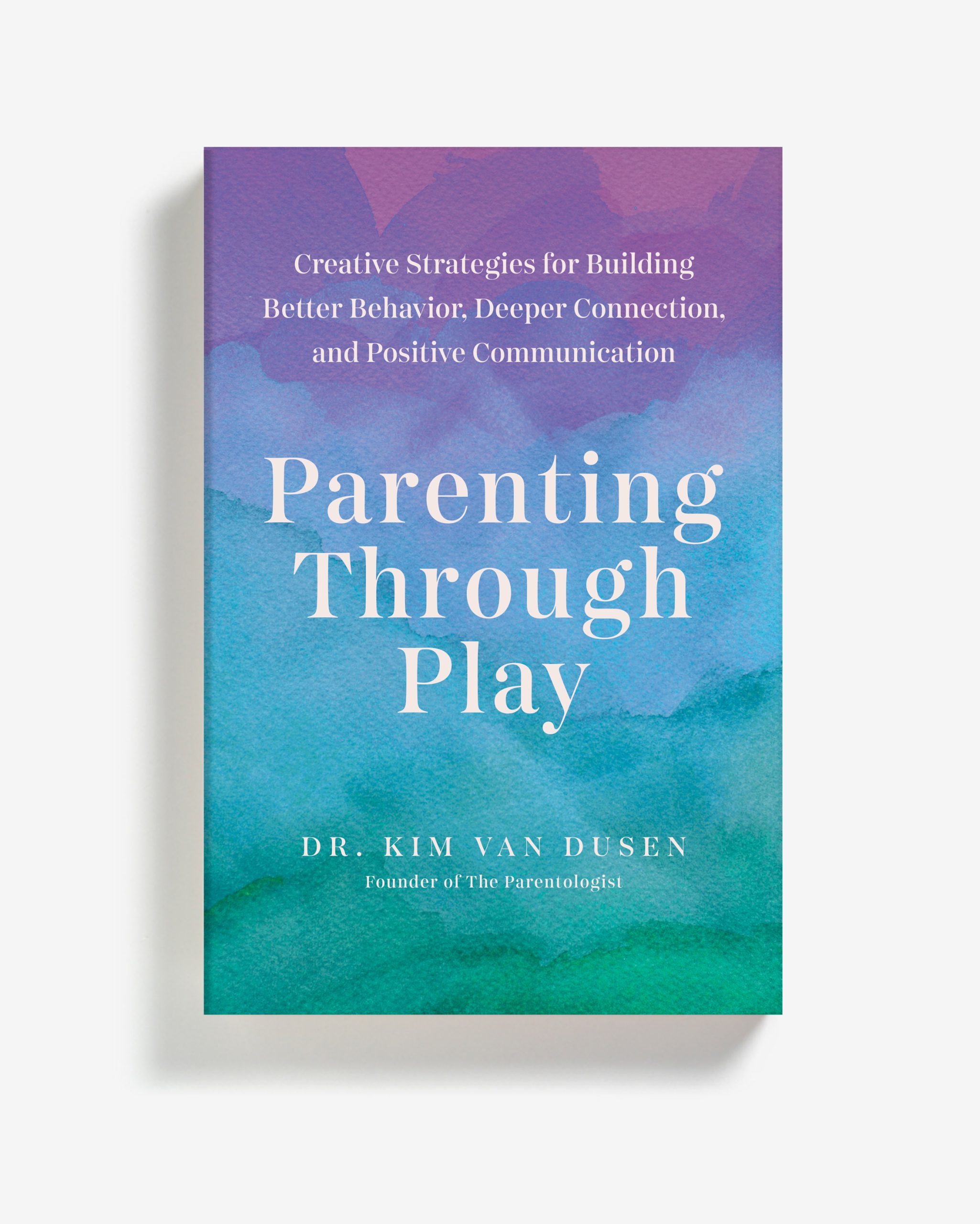
Want to know the biggest benefit that playing and connection lends a parent? Play can be used to modify a child’s behavior. In my book, “Parenting Through Play: Creative Strategies for Building Better Behavior, Deeper Connection, and Positive Communication,” I use evidence-based models including play therapy, solution-focused therapy and positive behavior intervention supports as a framework on how to minimize power struggles, defiance and tantrums and, instead, foster a more peaceful home.
When you create a play-based connection with your child by positively communicating with them, it will also help cultivate cooperation. The more you positively communicate, the more securely you connect — and the more compliant your child becomes.
A child’s development is strongly influenced by loving relationships and how their parents effectively and consistently relate to them through play. If our goal as parents is to set children up for success — especially in their mental and emotional well-being — then play should be part of our daily habits.
Quick Ways to Play
These play-based activities are simple, inexpensive and have connected families for generations — proof that meaningful play doesn’t require a schedule, a screen or a big plan.
Quiet + Creative
- Color an empty box together
- Build a fort with blankets and pillows
- Make music using household items as instruments
High-Energy Fun
- Musical chairs
- Charades
- Simon Says
- Jump rope, hopscotch or an impromptu dance party

Sensory Play
- Run through the sprinklers
- Play in the dirt or sand
- Walk barefoot on the grass
Music + Movement (Sing and do the movements)
- “If You’re Happy and You Know It”
- “Hokey Pokey”
- “Head, Shoulders, Knees and Toes”
Low-Energy (Couch-Friendly) Play
- Telephone
- Would You Rather
- Card games or board games
When You Want to Rest (But Still Connect)
- Let your child role-play being the doctor while you’re the patient
- Sit back while your child puts on a dress-up fashion show or performance
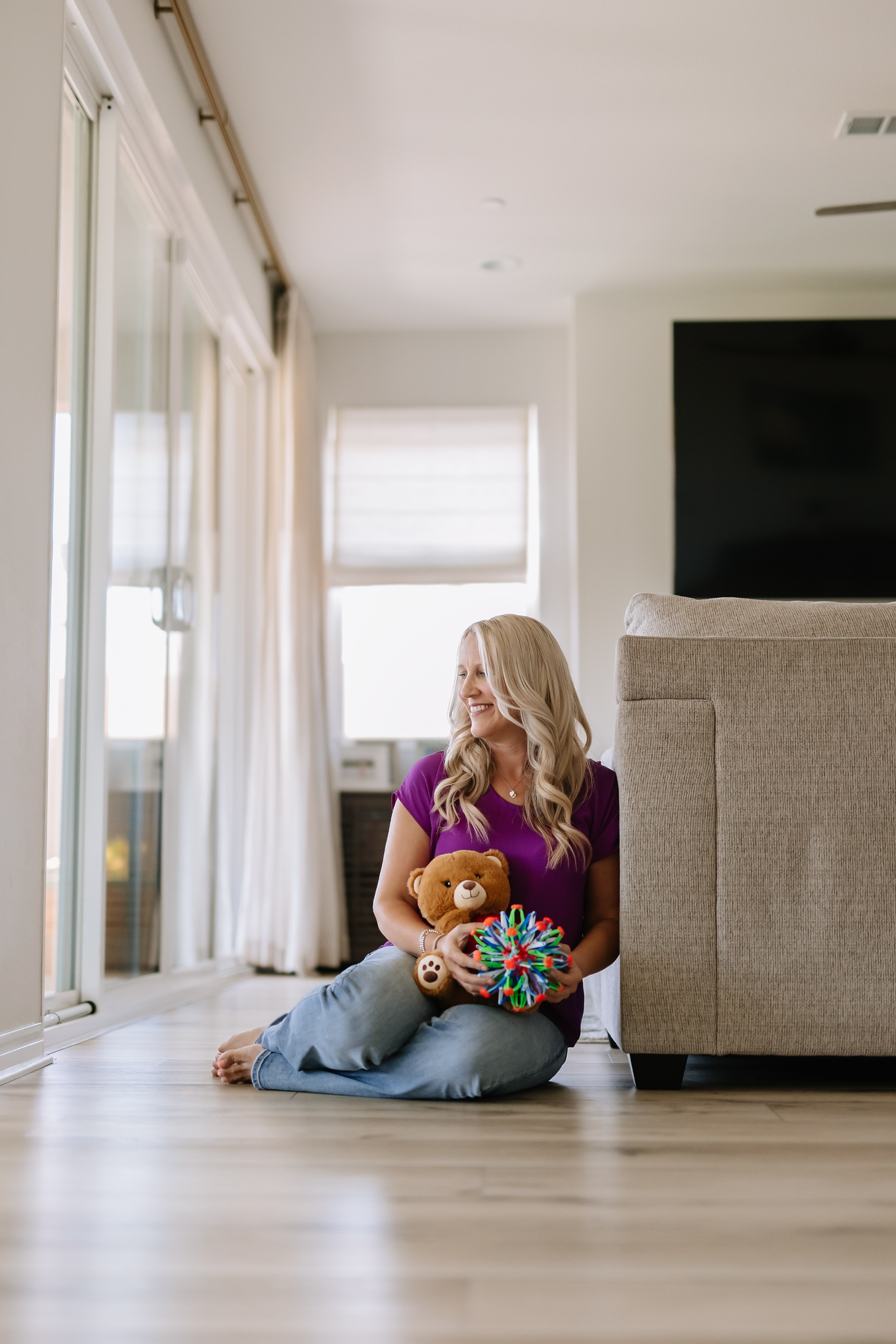
Dr. Kim Van Dusen, Psy.D., LMFT, RPT, is a mom of two and the author of “Parenting Through Play: Creative Strategies for Building Better Behavior, Deeper Connection, and Positive Communication,” which publishes in May. Dusen, who runs a private practice that specializes in working with children and families, is also the CEO, owner and founder of The Parentologist, a family and lifestyle brand about parenting with a therapeutic twist. She is host of The Parentologist Podcast. Find her on social media @theparentologist and theparentologist.com.