


























From residential care to outpatient therapy, this Pasadena-based program helps families navigate child and teen mental health with compassionate, comprehensive support.

The mental health of our children was a chief concern during the pandemic in 2020, and it hasn’t faded. We worried about them being isolated, about their social skills declining and their overall outlook being not as positive. In the years that followed, mental health among kids has stayed front and center.
At L.A. Parent, we’ve engaged with a variety of caregivers and services providers to best equip parents to handle this fluid situation. What to watch for, who to turn to and how to education yourself. See our content here.
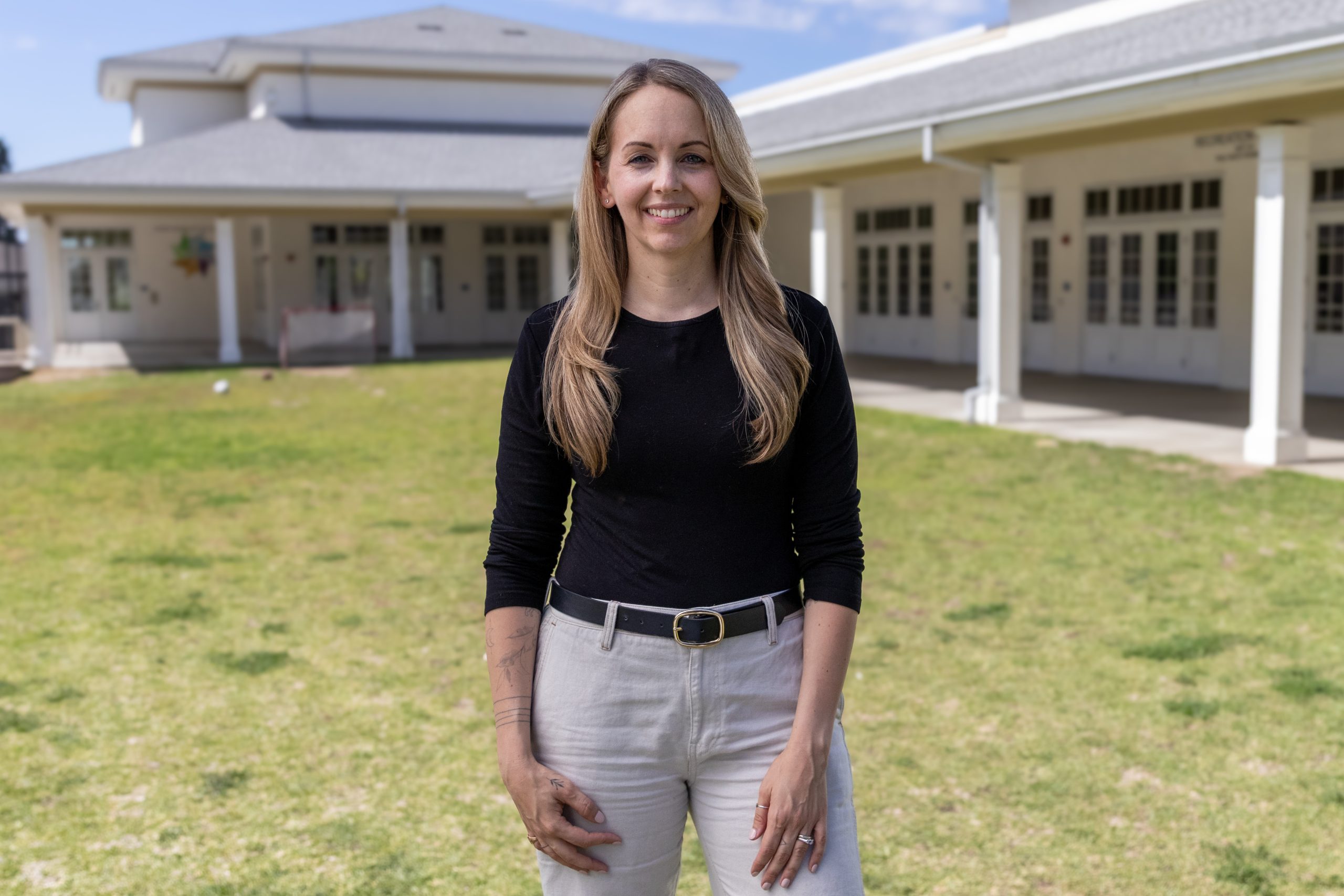
This month, we are connecting with one of many organizations that is standing by to help. The team at HillsidesCares believes that comprehensive care should be the foundation of mental health treatment for children and adolescents, so we asked for their perspective on the state of mental health and education among our children. We discussed things with Stacey Roth, a licensed clinical social worker and the CEO of Hillsides.
L.A. Parent: How did HillsidesCares get its start, and when?
Stacey: For over a century, Hillsides has supported children, youth and families through some of life’s most challenging moments, especially those impacted by trauma and emotional or behavioral health needs. While this work historically focused on children already within the county system, it became clear that many families were facing similar challenges without access to the intensive, coordinated care their children needed.
HillsidesCares was created to bridge that gap. Today, the program provides comprehensive mental health treatment for children and families with both health insurance and Medi-Cal, expanding access to the same trusted care and expertise that Hillsides has delivered for generations.
L.A. Parent: Where are you located and what services do you offer today?
Stacey: HillsidesCares is located in Pasadena on a beautifully wooded 17-acre campus with safe and comfortable cottages, 24/7 nursing services, serene outdoor spaces and enrichment areas including an art studio, music room, gym, pool and basketball court.
We provide a range of mental health services for children and teens, including residential treatment and day treatment. These services are designed to meet each child’s unique needs, with the flexibility to adjust the level of care as they grow and heal.
A key part of HillsidesCares’ approach is continuity. Families work with the same trusted treatment team throughout their journey, creating consistency and stronger relationships. We serve children as young as six and partner closely with families to ensure care is compassionate, coordinated and focused on long-term wellbeing.
L.A. Parent: You offer three types of treatment programs: Residential, Partial Hospitalization and Intensive Outpatient. How are they different and how do parents know which one is right for their child?
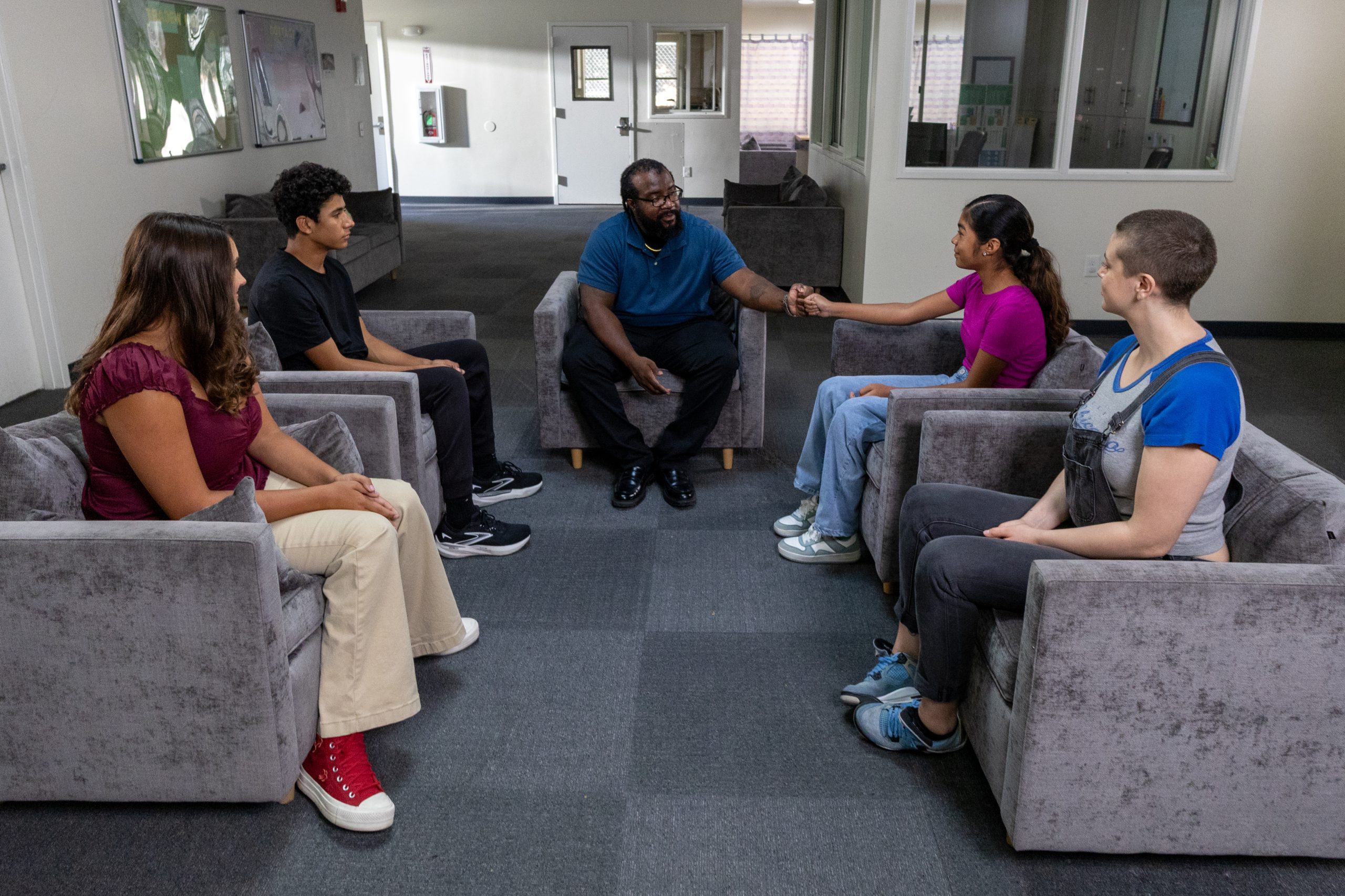
Stacey: HillsidesCares offers three levels of care based on the individual’s child needs. Our residential program provides 24/7 care in a structured, therapeutic environment for children who need the highest level of support. The partial hospitalization program (PHP) offers a similar level of intensive therapy during the day, while allowing children to return home each evening. The intensive outpatient program (IOP) is the most flexible, with shorter sessions a few days a week, so children can continue living at home and practicing new skills in their daily routines.
Choosing the right program depends on your child’s needs, and our team works closely with each family to guide that decision. We assess each child’s situation and recommend the level of care that will provide the right balance of support, structure and independence to help them heal and grow.
L.A. Parent: What should parents watch for in their children that are signs of mental illness and how do they start the discussion with their child?
Stacey: Parents may notice changes in their child’s mood, behavior or stress levels, such as increased anxiety, sadness, irritability, withdrawal, difficulty focusing or reactions tied to past experiences. Some children may also show signs of challenges like ADHD, autism or substance use. These shifts are often signals that a child or teen may need extra support.
When starting a conversation, approach it with curiosity and care. Keep it collaborative and nonjudgmental by sharing what you’ve noticed: “I’ve seen some changes lately…” and giving your child space to respond. It can also help to normalize their experience, reminding them that many kids go through similar feelings and that support is available. Most importantly, validate what they’re feeling, offer reassurance and emphasize hope letting them know there are options and people who can help them feel better.
Sometimes, it’s also helpful for families to visit a program in person to see how it feels for both parent and child. HillsidesCares welcomes tours, offering a chance to ask questions, meet the team and better understand the environment before taking next steps.
L.A. Parent: How many people are on the HillsidesCares team and approx. how many families do you help each year?
Stacey: The HillsidesCares team is made up of 50-60 dedicated psychotherapists and professionals, including clinical staff, nursing a certified teacher, child-care counselors, leadership and campus support teams — all working together to provide comprehensive care. Each year, we support hundreds of families, with many children moving through different levels of care as they progress, ensuring they receive the right support at every stage of their journey.
If your family is in need of mental health treatment for children and adolescents, call HillsidesCares at 323-641-4842 to request a tour, or use this form: https://www.hillsidescares.org/healing-together/#form