











As a new mom, everything is fresh and wonderful (and terrifying!) and you’re looking to do your best in every situation, yet, at the same time, everything about the experience is overwhelming.
To help combat my new mom anxiety, I read everything I could, and while most parenting books were kind of vanilla, every so often one would truly resonate.
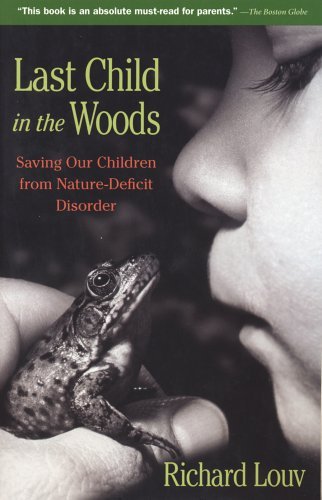
A standout was “Last Child in the Woods: Saving Our Children from Nature Deficit Disorder,” by Richard Louv. Looking back, I can honestly say that the lessons it taught me worked. I know this because a few weeks ago, I stood outside our home watching my 18-year-old son, Jett, load up the car for a two-week camping trip to three states and six national parks – Yosemite, Sequoia National Park and Crater Lake among them.









He’d planned everything himself: the campsite bookings, the gear, the food, the itinerary. I watched him pack his tent, hiking boots, machete (I tried not to think too hard about that one) and his hammer. He looked at me, grinning, and in that moment, I thought to myself, “Huh, that book worked.”
Back to the beginning
When Jett was just eight weeks old, my stepmom suggested I read Louv’s New York Times bestselling book. “I think this is up your alley and your love of nature,” she said. One thing about me: When people I love suggest I read a book, I tend to read it.
At the time, I had just lost my business partner in the entertainment industry and was pivoting into travel and lifestyle writing and public relations. I was craving a sense of purpose and calm, and Louv’s book hit me like a lightning bolt. It was about the growing disconnect between kids and nature — and how much children need to climb, explore and get dirty to develop into balanced, creative humans. This is especially necessary for boys, who simply do not get enough of this sort of adventure and exploration in our uber-connected gaming world.
I told my husband, Rob, “Let’s raise an outdoor kid; let’s embrace nature,” and so we decided that, as a family, we’d spend our money on experiences rather than things. Fewer handbags, more hikes. Fewer gadgets, more adventures. We declared ourselves an “outdoor family.”
Our family’s outdoor philosophy
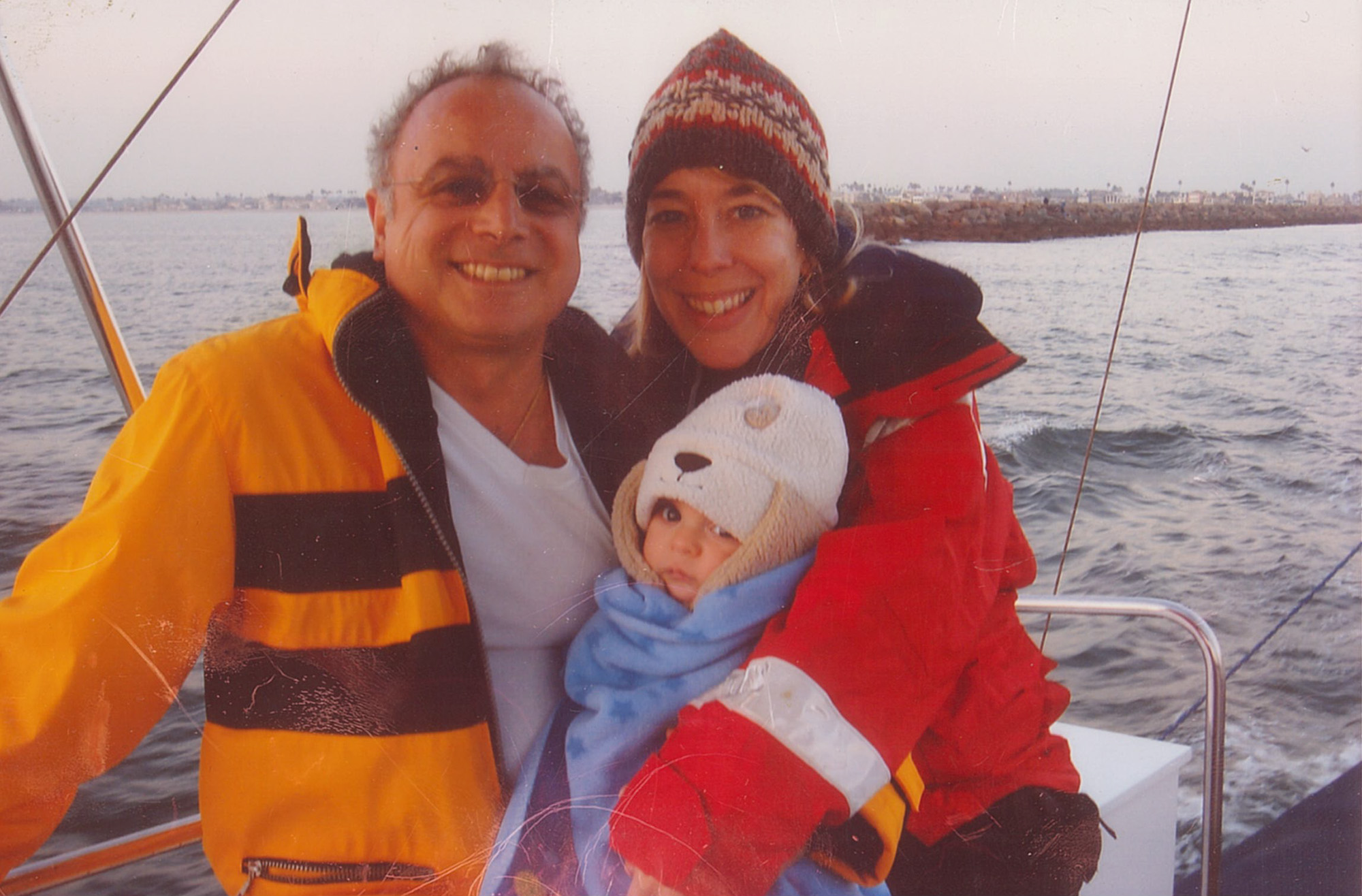
From then on, nature became our family’s classroom, playground and therapy. We explored mountains, oceans and forests. We camped in El Capitan, kayaked in Catalina and snorkeled in Maui. Every trip was an opportunity for our son to get his hands dirty, his heart full and his perspective widened. I even have photos of us with Jett wrapped in a Baby Björn on a boating daytrip, my first commitment to taking our kid along in outdoor travel. The captain who snapped our first outdoor family photo cheered us on: “Good for you for getting out!”
When life got chaotic — and it often did, with the career uncertainties and a few eccentric in-laws thrown into the mix — nature steadied us.
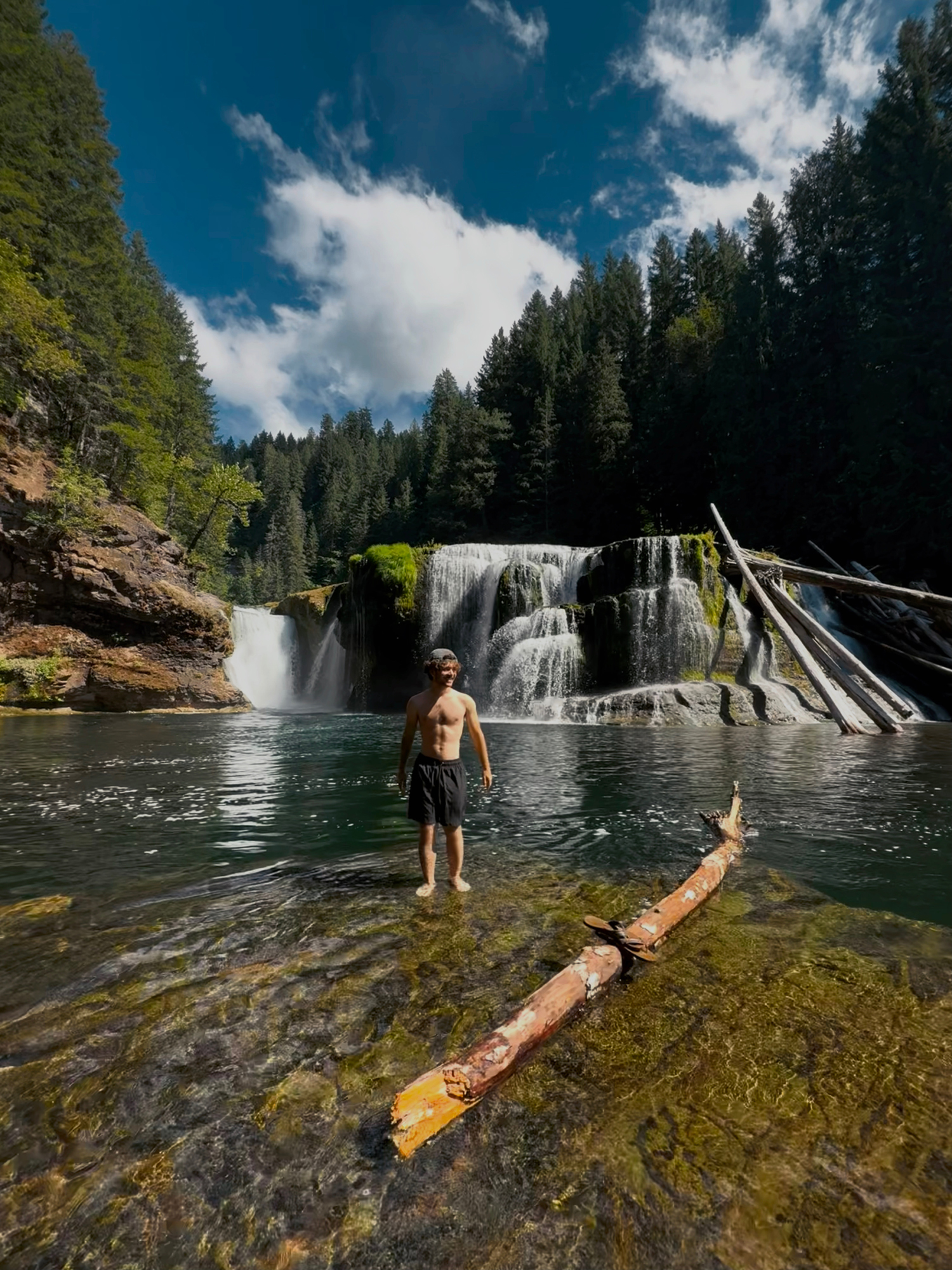
During the pandemic, when travel and school came to a screeching halt, I enrolled us in sailing lessons. Nature would once again be our teacher. Jett learned to surf and snowboard. We discovered hidden hiking trails near our home and spent weekends under the California sky, watching the stars. Nature was always the solution to stress, boredom, disconnection and, later, teenage angst.
Full circle: The solo trip
Fast forward to today. Watching Jett plan and execute his own camping trip was a full-circle moment. He handled it all, booking sites, navigating apps, budgeting, packing and creating backup plans when his first campsite sold out.
We gave him only one rule for safety, and that was not to drive for longer than four hours in one stretch. I helped organize two laundry stops. The rest was up to him. I was both proud and terrified as he drove away.
When he came home energized a couple of weeks later, he said, “Mom, it was the best trip of my life. It changed me.”
He edited a video for his YouTube channel, which showed clips of him and his friend driving through winding mountain roads, cooking dinner over a camp stove, waking at 4 a.m. to hike to a sunrise lookout and canoeing down a misty river.
He laughed about packing too much, getting chased by an angry swarm of bees — and about how he finally understood why I always insisted on driving breaks. More than that, I saw that he’d become capable, confident and comfortable in his own skin.
The lessons from years of family travel and outdoor adventures had stuck.
The Books (and People) That Helped Along the Way
“Last Child in the Woods” was my parenting compass, but it wasn’t the only one. Over the years, a few other wise voices stood out:
- “The Ten Basic Principles of Good Parenting” by Laurence Steinberg reminded me to always know where my child is, what he’s doing, and who he’s with. This simple, grounding advice built trust and safety.
- “He’s Not Lazy” by Adam Price helped me ask Jett what he wanted to explore instead of telling him what he should do. That question led him to snowboarding, and me, somewhat reluctantly, to learn how to ski at an age in which I’m receiving prepaid funeral plot discounts.
- Jenny Hwang (@projectparentcoach) on Instagram taught me to let Jett make mistakes and learn from them. Provide boundaries and then get out of the way so they can experience life and natural consequences. I learned you can’t bubble wrap resilience or growth.
These voices reminded me that raising an independent child means slowly working yourself out of a job so they can function and learn without you. And nature is a spectacular classroom to learn how to stretch oneself while remaining in awe and respect of all the beauty around you.
The book that will never leave my shelf
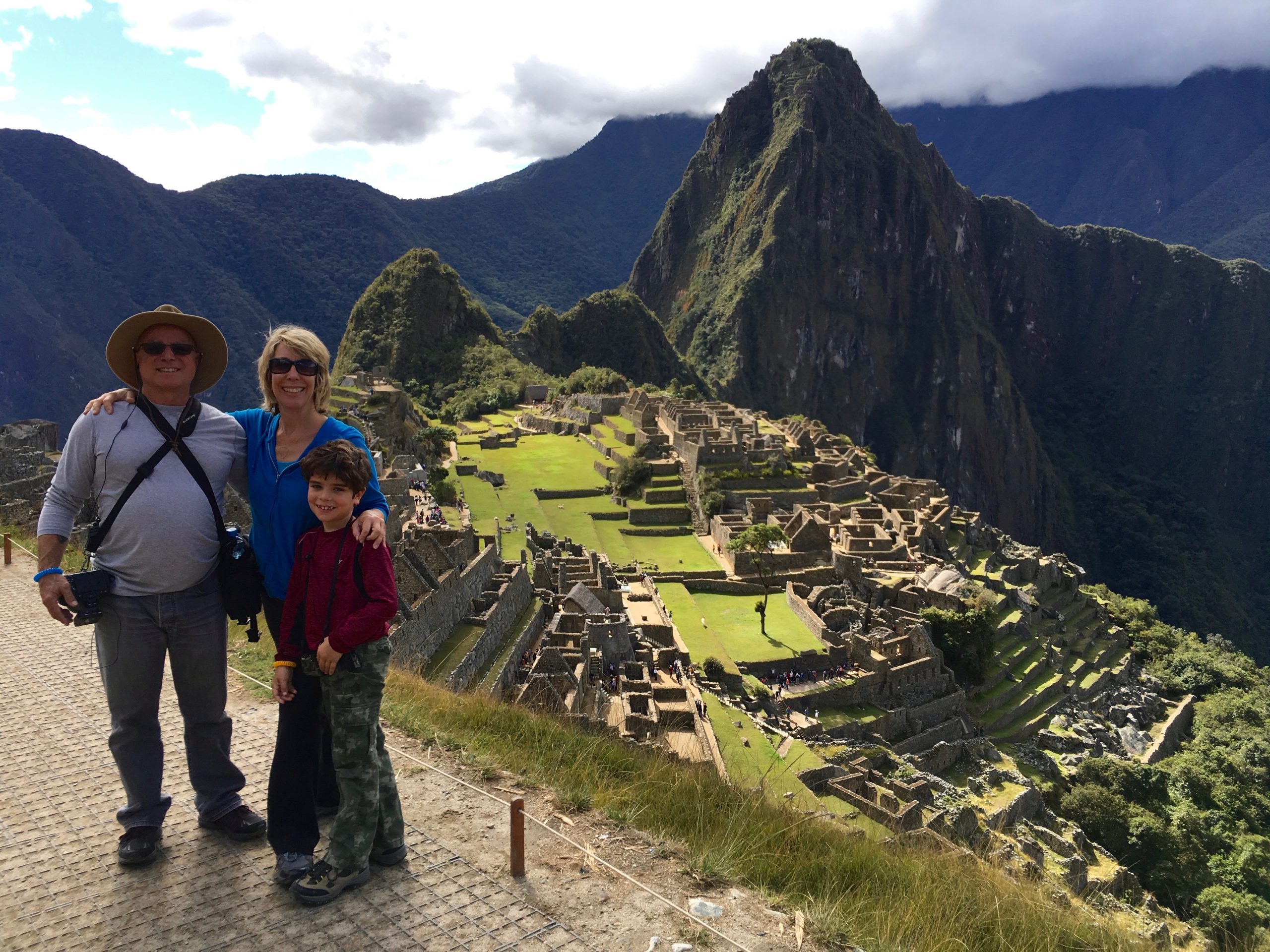
Watching Jett in nature, whether it was catching his first wave, climbing ancient paths to explore Machu Picchu, walking along coastal paths in Japan or sailing around the Mediterranean, I saw him connect to something far bigger than himself.
When I first read Louv’s book, I first simply focused on the importance of playtime outdoors (for everyone — not just kids). And later, I realized that it was about building independence, resilience and awe.
If you give your child a love of nature, you’ve given them something that will sustain them for life. In a world where screens dominate attention, nature offers real connection to self, to others and to the planet.
If we expect the next generation to save the Earth, we must first teach them to cherish it.
Lessons for Fellow Parents
And so after 18 years of muddy boots, mosquito nets and sunrises, here’s what I’ve learned:
Nature is the best classroom. Our son learned more about problem-solving, planning and perseverance from camping on his own than any textbook could teach. Every hike, sail and surf session was a lesson in patience, adaptability and self-reliance.
Experiences beat things every time. Our family vacations weren’t luxury affairs. We weren’t collecting passport stamps; we were collecting memories. Those shared adventures built our bond and gave our son a priceless sense of wonder.
Let them lead. Ask your kids what they want to explore. Our son’s love of snowboarding, hiking, and even his current obsession with filming nature content, came from simply asking, “What are you curious about?”
Know where they are, but let them go. Trust doesn’t happen overnight. It’s built through consistent communication and small freedoms. The reward is watching them soar (sometimes literally off a mountain trail).
The book worked because we worked at it. It wasn’t magic. It was effort. Every hike, every outing, every decision to choose an adventure over another online purchase.
Bees, blisters and booking sites. Parenting, like travel and nature, is messy, beautiful and often unpredictable. There were bee stings, blistered heels, wrong turns and more than a few tearful moments along the way. But there was also laughter, wonder and joy. The kind that sticks.
When Jett drove off on his own trip, I saw a young man shaped by all those moments. As parents, we hope our children will one day be confident, kind and curious about the world. For me, that journey started with embracing a single book and a single idea: That nature heals, teaches and connects.
And now, as my son ventures into the world with a backpack and a head full of dreams, I can say with certainty, the book worked. Nature delivers challenges, awe, adventure, excitement and connection for a family — and generations to come.