























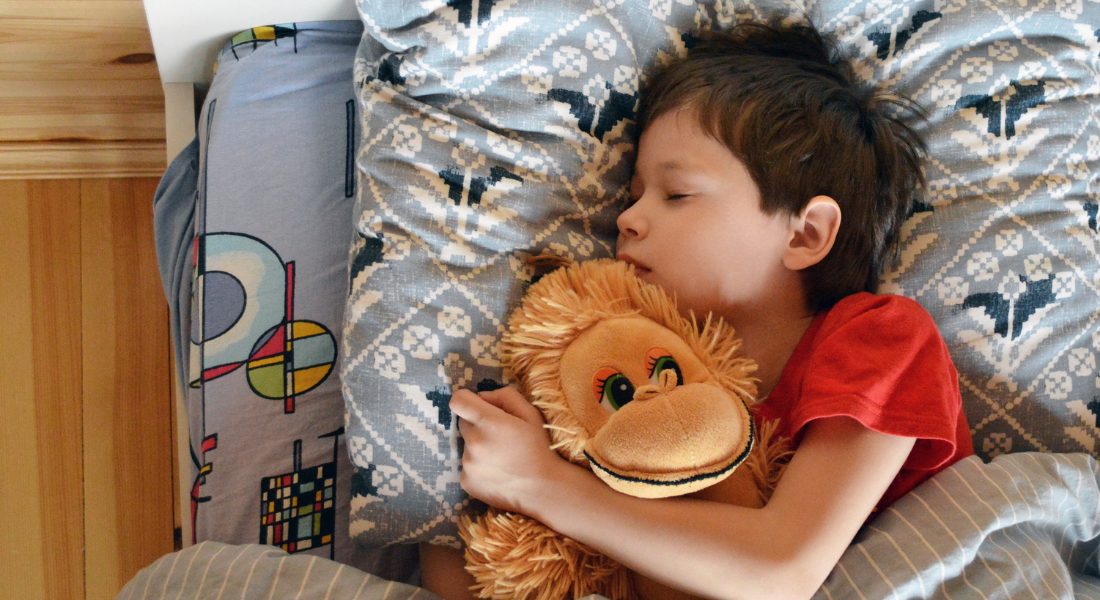
Nearly every parent struggles to get their infant on a sleep schedule that works – and allows the parents to be functional – but what about children who aren’t good sleepers as they age? And what about neurodiverse children who don’t sleep well?
We met one mom on a mission to make life easier for the rest of us.
Meet Melisa Moore, PhD, a clinical psychologist who is board certified in behavioral sleep medicine. In her Los Angeles practice, she works with children, teens and young adults for a variety of sleep and mood issues, and she specializes in neurodiversity. So much so that Melisa wrote a book: The Good Sleep Guide for Neurodivergent Kids. It’s due out in March, which happens to be National Sleep Awareness Month.
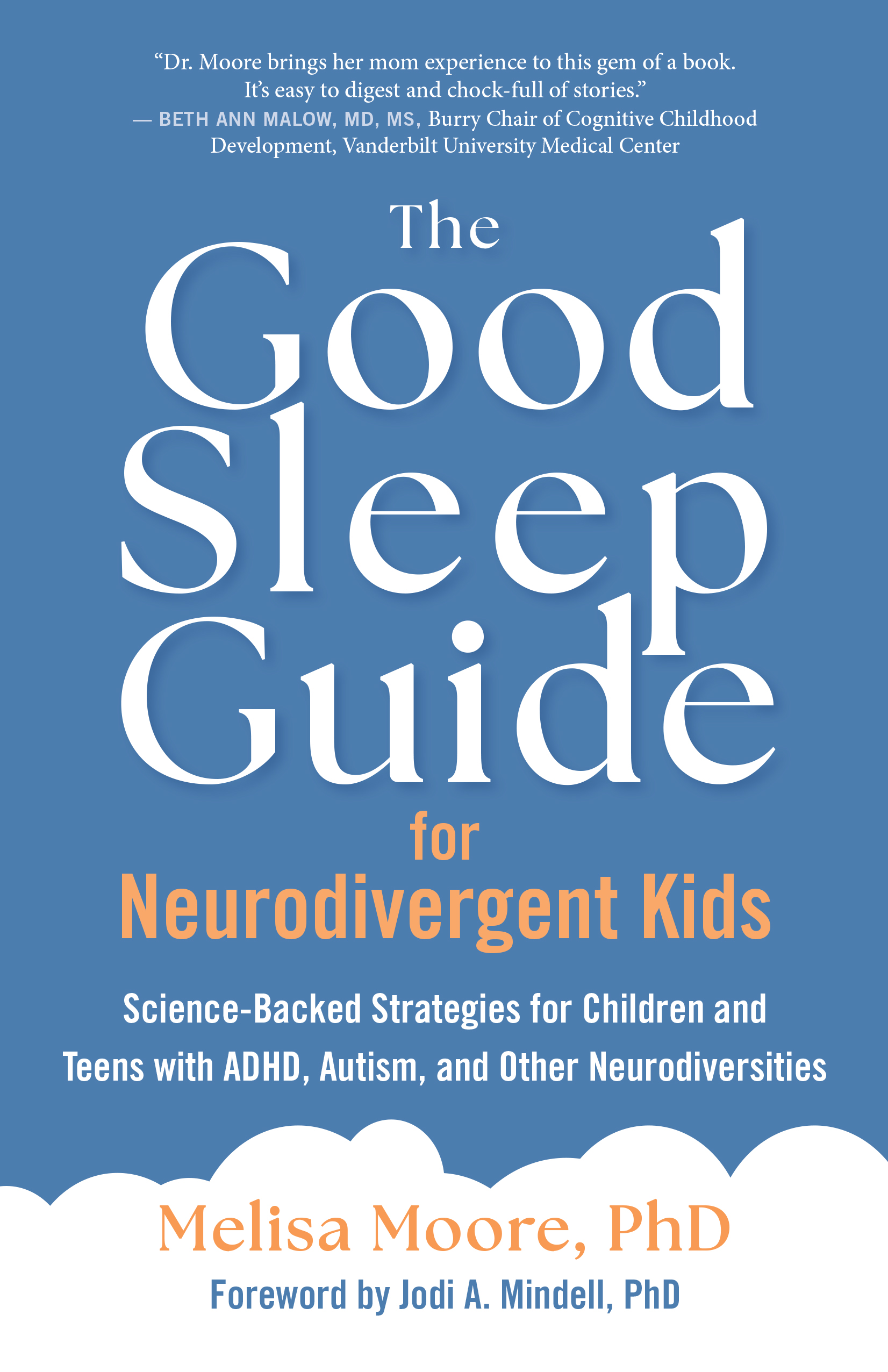
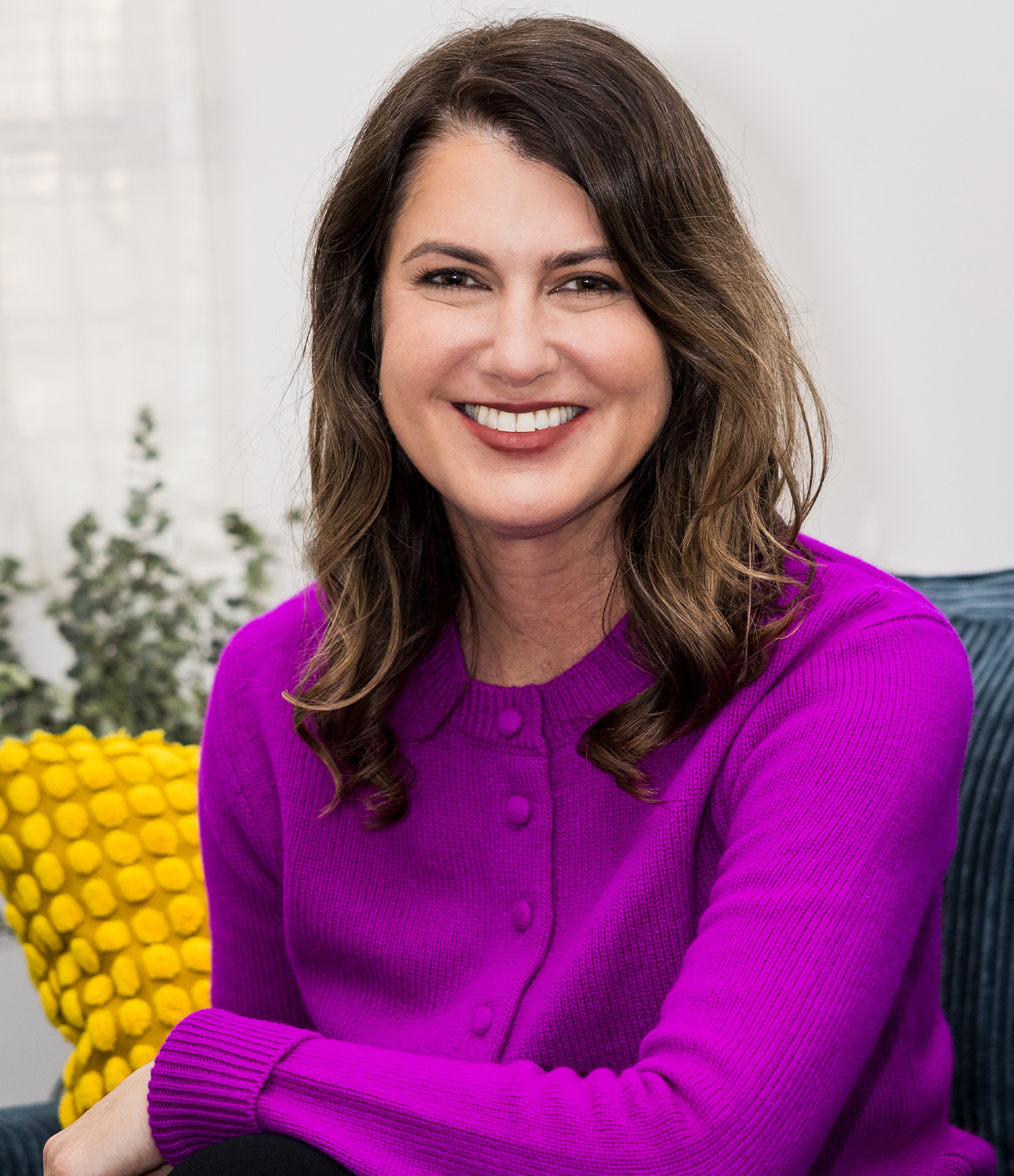
We asked Melisa to share her experience, her expertise and what prompted her to write the book?
L.A. Parent: What exactly is sleep medicine?
Melisa: Sleep medicine is a medical specialty focused on understanding and improving sleep. It helps identify and treat common sleep problems in children and adults, such as insomnia (trouble falling or staying asleep) and obstructive sleep apnea (pauses in breathing during sleep). What makes sleep medicine unique is that it brings together a team of doctors, psychologists, nurses, respiratory therapists and others who work together to support your child and your family.
Sleep medicine isn’t just about diagnosing sleep disorders, it’s about helping families build healthy sleep habits so children can grow, learn and thrive – and parents can get the rest they need too.
L.A. Parent: How did you develop your interest and expertise in this field?
Melisa: When I was a graduate student, I loved working with teenagers and wanted to focus my research on something that truly affected their health and day-to-day lives. I quickly realized that sleep touches almost every part of adolescent life. As I became more immersed in the field, I saw firsthand how improving sleep could make a real difference not just for children and teens, but for their entire families. That’s what drew me to sleep medicine and continues to motivate my work today.
L.A. Parent: When, and how, did you realize your son needed help to become a good sleeper?
Melisa: My son was a good sleeper when he was younger, but around kindergarten age I started noticing things about his sleep that felt different. For months at a time, he would wake up at 4 a.m., wide awake and perfectly happy. Other times, if he got a new toy or learned something exciting, his mind just wouldn’t slow down and it could take hours for him to fall asleep. Experiences like these helped me understand how differently children’s brains can respond to sleep and how important it is to look beyond “typical” sleep advice.
L.A. Parent: How did your son respond?
Melisa: To be honest, it was a lot of trial and error. Some things helped and some didn’t. What did help and still does, was a combination of strategies: Setting his bedtime closer to when he was actually able to fall asleep (which meant a later bedtime), teaching him quiet, calming ways to help distract his busy brain, gently reminding him every 15 minutes or so that it was time for sleep and using a melatonin supplement.
L.A. Parent: What do you want parents to get out of the book?
Melisa: First, my hope is that having science-based, comprehensive sleep information specifically focused on neurodiversity helps families get better sleep. Just as importantly, I want parents to feel less alone.
I’m in about the best possible position to help my own neurodivergent son sleep well – I do this work professionally, I know many experts I can turn to and I have access to the latest research. And still, sleep has been genuinely challenging for our family.
That experience has reinforced something I want every parent to hear: If your neurodivergent child struggles with sleep, it’s not because you’re doing something wrong. This is hard. Your child’s brain works differently, and sleep can be more complicated.
The good news is that there’s almost always something else to try, whether it’s a new strategy, a different approach, or even a small tweak that makes a big difference. Our understanding of neurodiversity and sleep is always evolving, and that means new ideas and tools are becoming available all the time.
Melisa Moore, PhD, is the author of “The Good Sleep Guide for Neurodivergent Kids,” which is available at Barnes & Noble, Bookshop.org and Amazon. Melissa will be doing two free author talks/book signings: March 6 at 7 p.m. at Vroman’s Bookstore in Pasadena, and March 10 at 6:30 p.m. at Diesel Bookstore in Santa Monica. A clinical psychologist board certified in behavioral sleep medicine, she currently works for the Sleep Center at Rady Children’s Health San Diego helping to develop their behavioral sleep medicine program. She also has a practice in the Los Angeles area working with children, teens and young adults across the country for a variety of sleep and mood issues, specializing in neurodiversity. Visit her online at http://www.DrMelisaMoore.com.