





















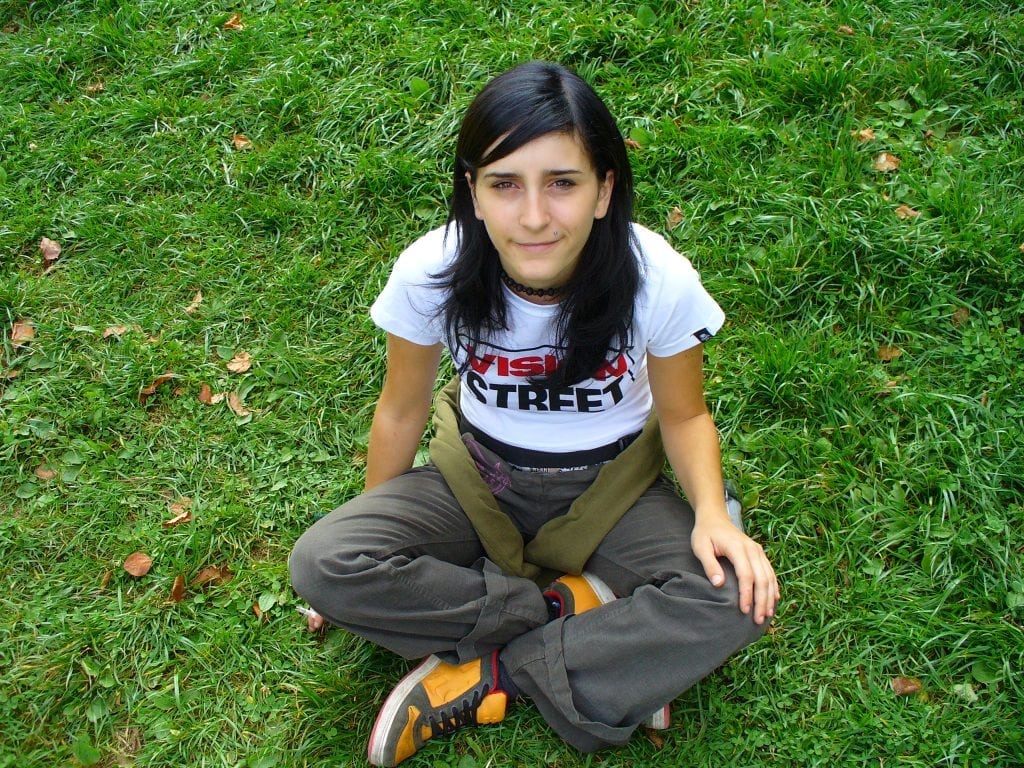
A few minutes of mindfulness can help your child feel more peaceful, and ready to face school or homework. PHOTO BY RENATA ZAJA/FREEIMAGES.COM
Mindfulness and focusing have the potential to help children achieve school success with peace. I am talking about not just your peace of mind as a parent, but peace and ease for your children if they are experiencing aversion towards school or homework.
Mindfully focusing at school can help students get through their day with greater ease and success. The effect of mindfulness on the brain supports increased memory, positive emotions and physical state, increased confidence and a greater sense of overall control, even when getting through something like homework, which may seem at some level out of their control.
The following is a short, helpful exercise I have practiced with many children to gain such ease and well-being. Your child can practice it at home first, before doing homework, and then practice it when needed at school.
- Ask your child to sit as if at they are at their school desk. Have them notice things around the room that may be a distraction.
- Next, ask them to find something in the room or at the desk to use as a focusing tool. This could be any simple object within easy view, such as a spot on the wall in front of them, a light switch or a pencil. This tool will help your child ease their focus back to their mindful self, sitting upright but not rigid, with feet on the ground, hands in lap or on the desk, and the breath as their anchor.
- Invite your child to stay focused on the focusing tool or briefly close their eyes, then bring their awareness to their breath for at least three inhalations and exhalations.
- When your child begins to feel a sense of ease, invite them to open their eyes and begin their work or to listen to the teacher (if at school).
Have your child practice shifting their attention and focus back and forth between their focusing tool and their breath, to encourage the ability to be flexible in their mindfulness exercise. Our breath is always there, while a familiar tool or object may not be present.
When people practice meditation even three to five minutes a day for a period of six weeks, they often notice an increase in concentration, emotional regulation, ease and well-being. Mindfulness is a way of being that is useful in active or sedentary times. Whether you are a surgeon, an athlete, a mechanic or a student, mindfulness can increase success. I invite you to give it a try. It can’t hurt, requires little effort (in fact you are already doing most of it if you are breathing), and can bring joy and ease to get your kids through their school day and their homework.
Heidi Gunderson is a licensed Marriage and Family Therapist and a Certified Mindfulness Facilitator based in Pasadena. She specializes in working with children, adolescents and young adults, and has extensive experience providing treatment for clients diagnosed with Autism Spectrum Disorder, ADHD, Disruptive Behavioral Disorders, Adjustment Disorders, and mood disorders such as depression and anxiety. Learn more at www.insightcollective.net.

 While on a lunch break this summer, I noticed a small group of children all wearing summer camp T-shirts that read “Grandma’s Summer Camp, 2016.” Printed on the shirts were destinations the children had been during previous “summer camps” with their grandparents – the Los Angeles Zoo, Knott’s Berry Farm, the Hollywood Bowl, etc. Watching the kids’ excitement to be together as a family took my mind off my workload and made me think of how lucky those kids were to have this annual tradition with their grandparents.
 To help students in grades K-12 approach math with creativity and enjoyment, YouCubed, a Stanford University center that provides research-based resources for teaching and learning mathematics, has released a series of free lessons in time for back to school. The Week of Inspirational Math (WiM) lesson series for teachers, parents and students includes five lessons that offer students open, rich mathematics experiences that inspire creative thinking and a growth mindset. The lessons are accompanied by five motivational videos created by Stanford University mathematics education professor Jo Boaler and her undergraduate students.

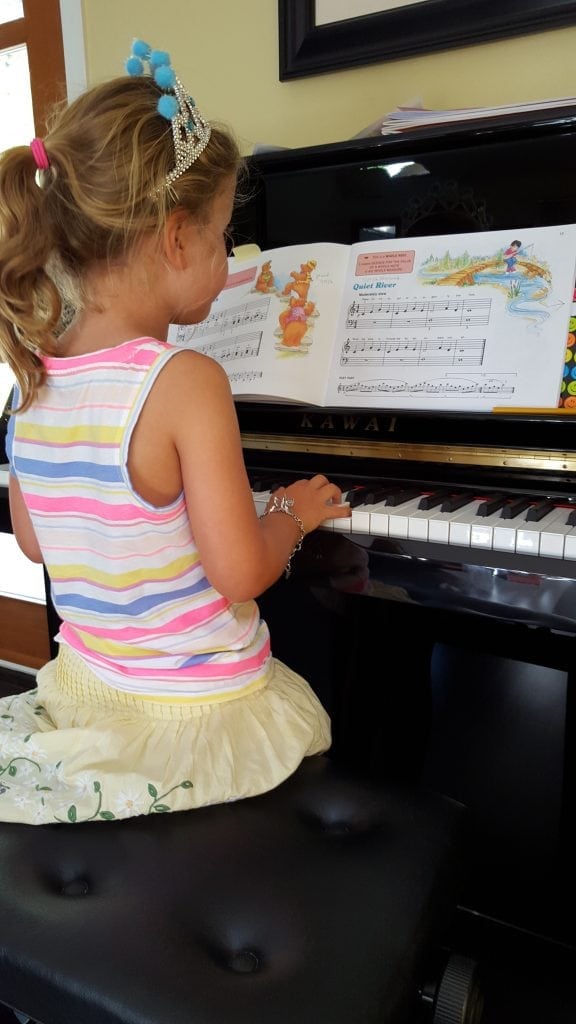






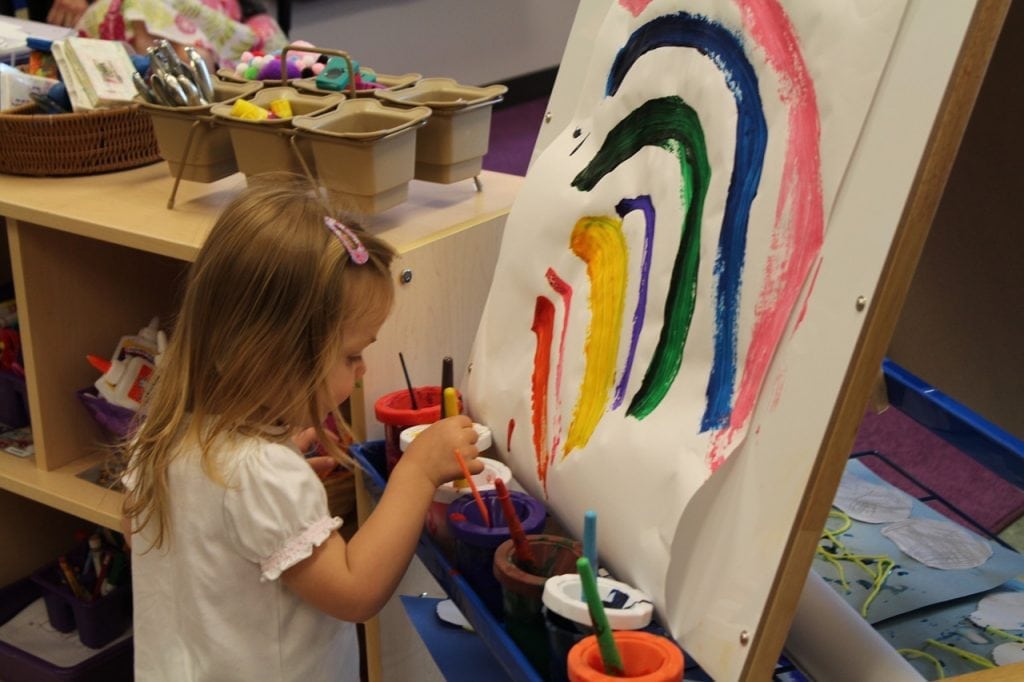 That environment is also an important way you can instill a lifelong love of learning in your child, and help to ensure that your child will be comfortable once it is time for school, according to Dawn A. Kurtz, Ph.D., chief program officer for Los Angeles Universal Preschool. Kurtz has worked in early-childhood education for more than 15 years and believes parents should be asking themselves:


 My daughter Keya and I have a tradition for the last day of school. We go to Trails Cafe in Griffith Park, where she orders a snake dog and an old-fashioned root beer. We recall the year’s high and low points, and I listen as she tells me which teachers she liked, what subjects she found interesting and what her classmates’ summer plans are.
 Following through


 You’ve heard medical experts extol the virtues of healthy eating. You’ve been told to keep your children away from sugar, salt and processed foods, and have started to focus on healthy eating and nutrition for yourself and your child. With all this attention to healthy eating, you’ve certainly helped safeguard your child’s health.
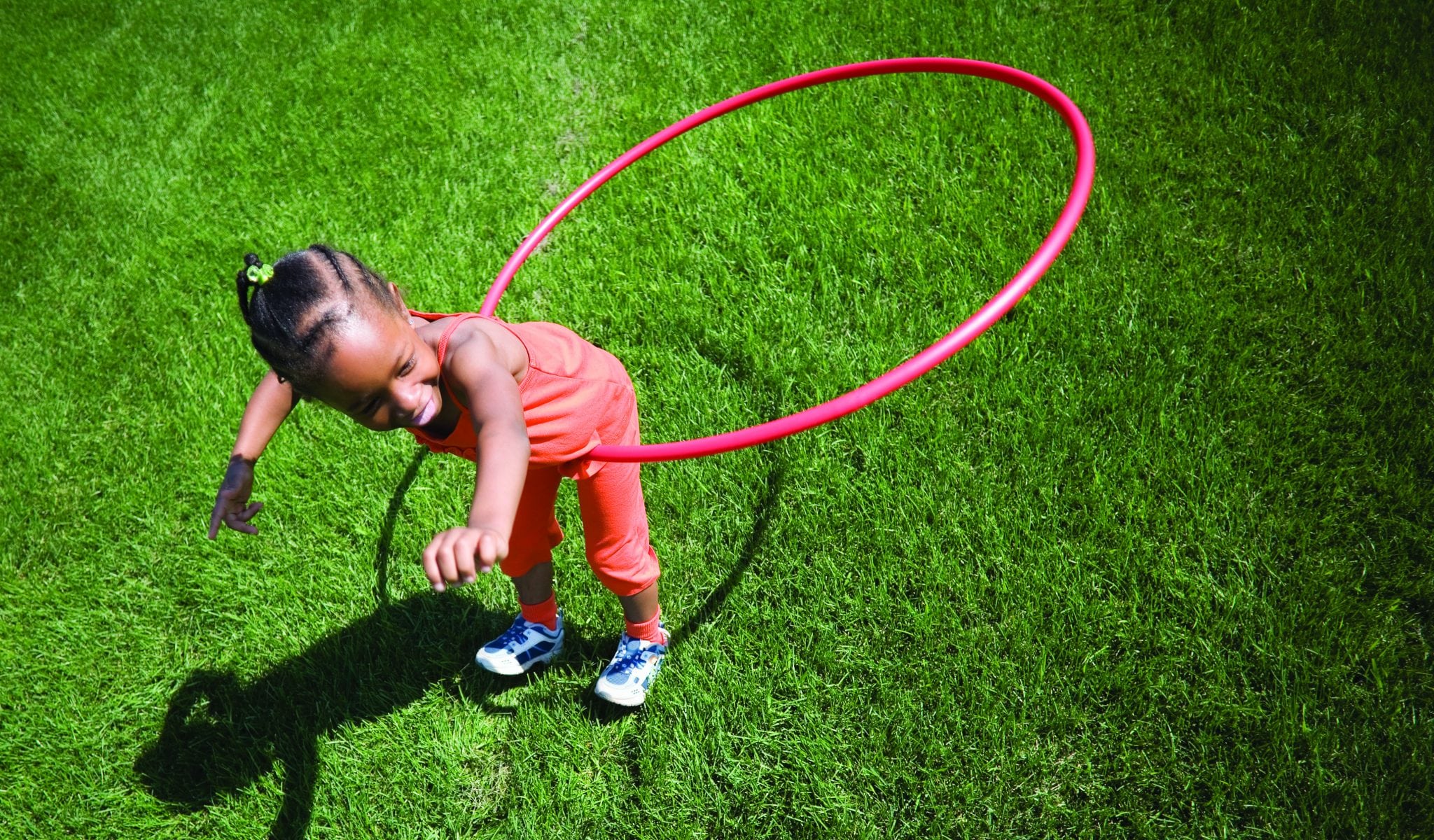 Whether your child is at the beach, on the ball field or just out playing in the park, heat-related illness is a danger this time of year. Parents often throw around the term “heat stroke,” but are usually using it incorrectly.
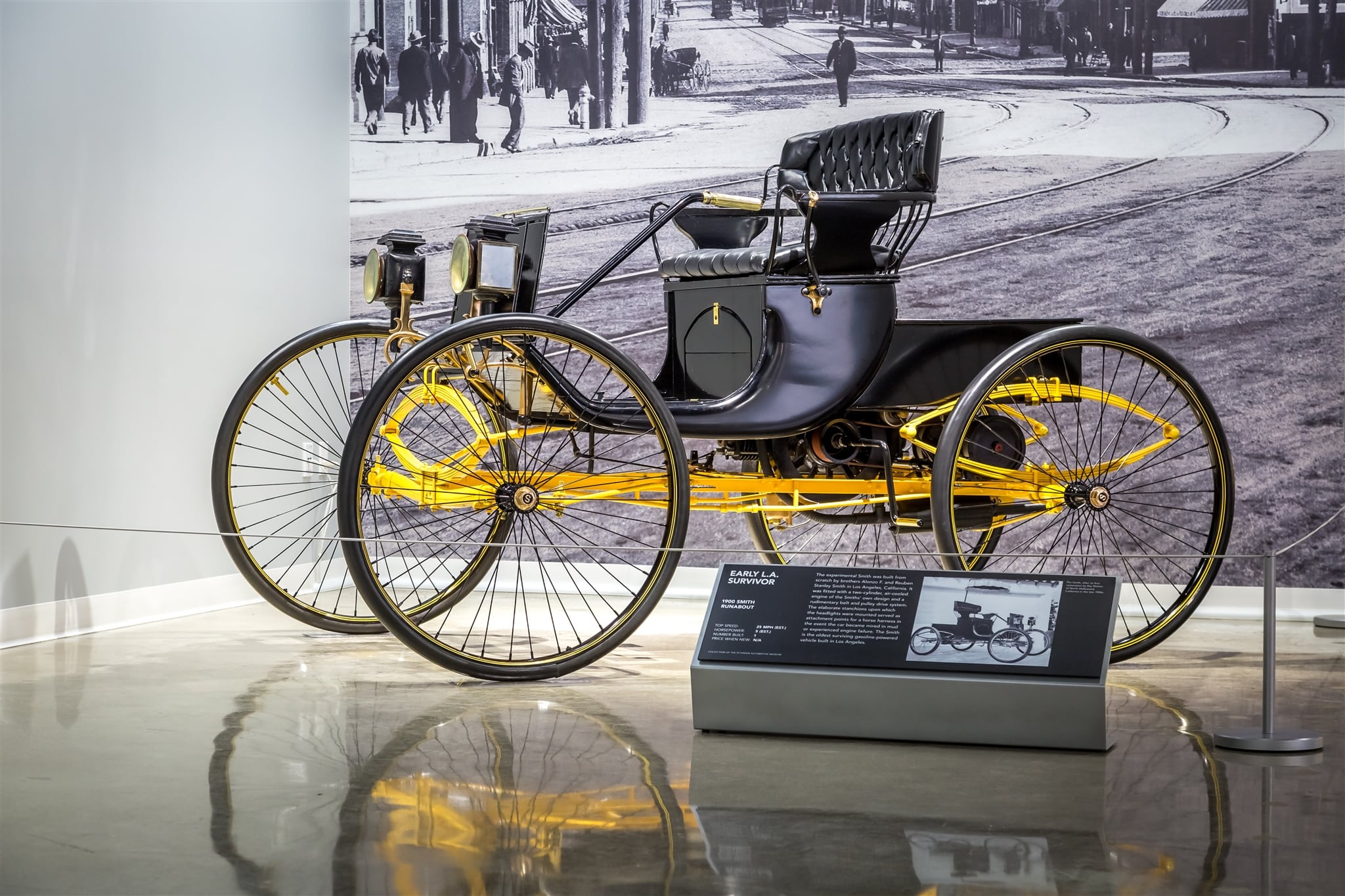






 Over in a quiet corner in the dry foothills of Griffith Park, another classic carousel has stood the test of time and inspired a new generation of amusements.


 It is a day I will never forget – Christmas 2013 in snowy Chicago, and my parents were visiting from Texas. Christmas carols were playing, festive food and decorated cookies were on the table, and I had buttery egg nog in hand and a big smile on my face as I sat to watch my then 2-year-old daughter, Sofia, open her first gift from under our tree.
 The joys of summer are here. More sun, more free time and – for reasons all too familiar – more birthday parties. More and more, parents are sharing the load of party planning and saving some days of partygoing by arranging joint birthday parties. The practice is familiar to those of us with twins, but now pals at school and kids in the same playgroups with birthdays close together on the calendar are getting into it. Here are some tips for making your joint birthday party a success.

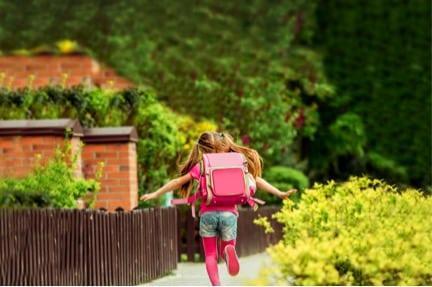 What to Do This Summer














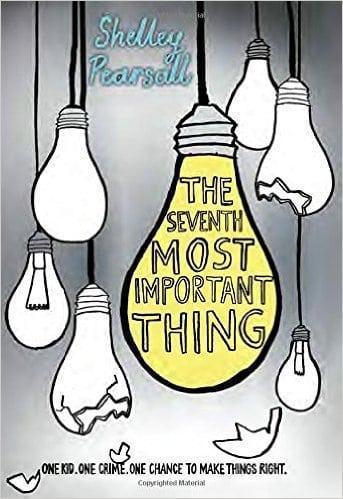 Shelley Pearsall turns a young boy’s angry outburst into a story of the power of mercy as he is charged to community service working alongside this “victim.” Inspired by the work of American folk artist James Hampton, Pearsall develops a redemptive novel that helps us identify the light inside us all.
 Zetta Elliot delicately tells the story of the New York City Draft riots through the eyes of a current-day tween who’s less than thrilled to help his mother at a community garden during his summer vacation.
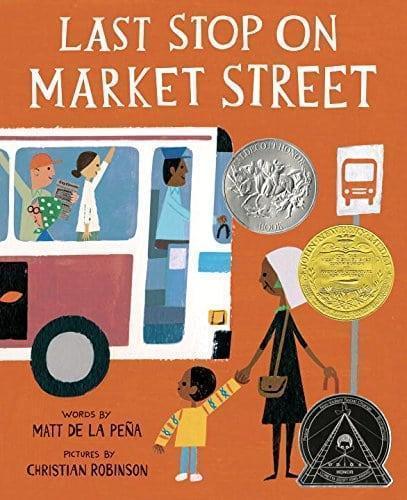 This winner of the 2016 Newbury Medal, penned by Matt De La Peña and illustrated by Christian Robinson, follows the journey of a child and his grandmother across town to point out class differences in a positive and energetic manner all while offering a perfect ending that will warm your soul.
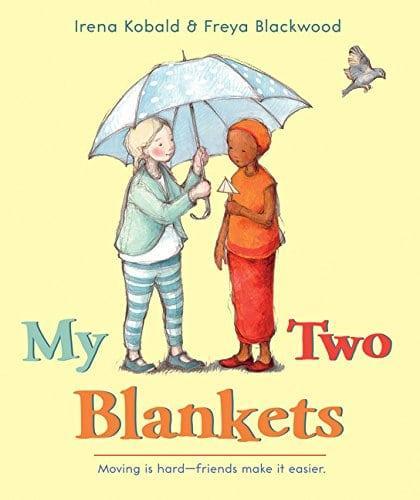 Making friends after a move is a rite of passage many children have to face. Here Irena Kobald uses two blankets to show how interwoven we all are despite our different customs and traditions. The story of a young refugee is also a poignant storyline that will spark in-depth conversation with your child should you want to explore the topic.
 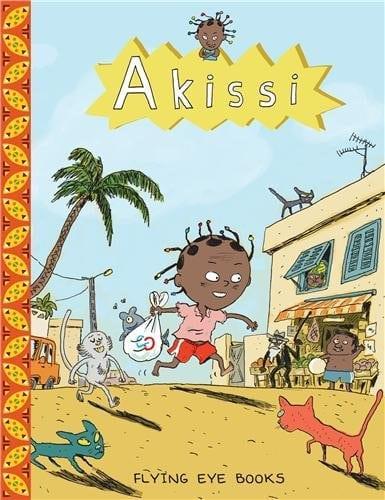 Akissi: Feline Invasion is one of a series of stories by Marguerite Abouet, a native of Africa’s Ivory Coast. Popular in Europe, this is the only books in the Akissi series readily available in English. The book shares the hilarious misadventures of a little girl in the heart of an African city, giving your child a new perspective on the lives of African children.
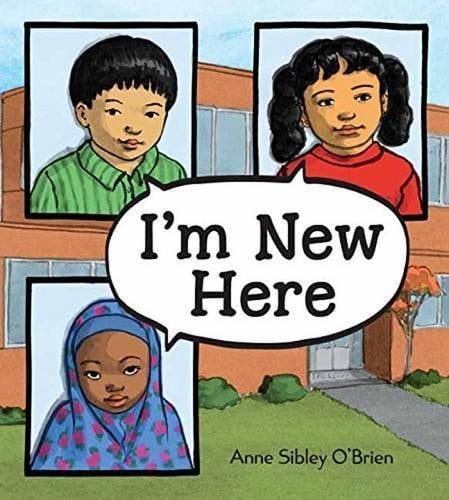 I’m New Here tells the story of three children who don’t speak English as they transition into life in their new American elementary school. Through encouragement from fellow classmates and self-determination, the story shares how each child settles into their new surroundings, while maintaining their sense of pride in their culture.
 Some kids know what they want to be when they grow up, and others decide that waiting until adulthood to pursue their dreams is just a waste of time. Here, author Troy Andrews, also known as Trombone Shorty, tells his story of becoming a bandleader and making a living from his music at a very young age.
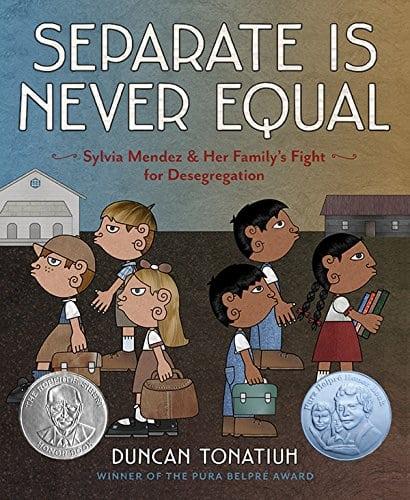 Sylvia Mendez’ struggle to attend school was integral to the landmark legislation Brown v. The Board of Education that integrated schools across the country. This book highlights this California story and shares how Mexican -Americans’ civil rights played a role in African -American history.
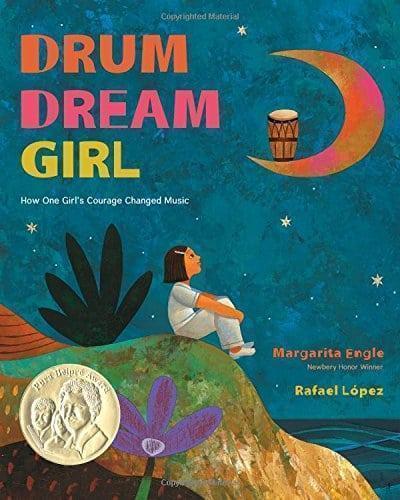 This story of a little girl who experienced gender bias in practicing her art will challenge your child’s limitations on what girls and boys can and cannot do. Inspired by the childhood of Millo Castro Zaldarriaga, this book is a vibrant read that will give your little one hope to dream even when the world seems unlikely to accept the vision.
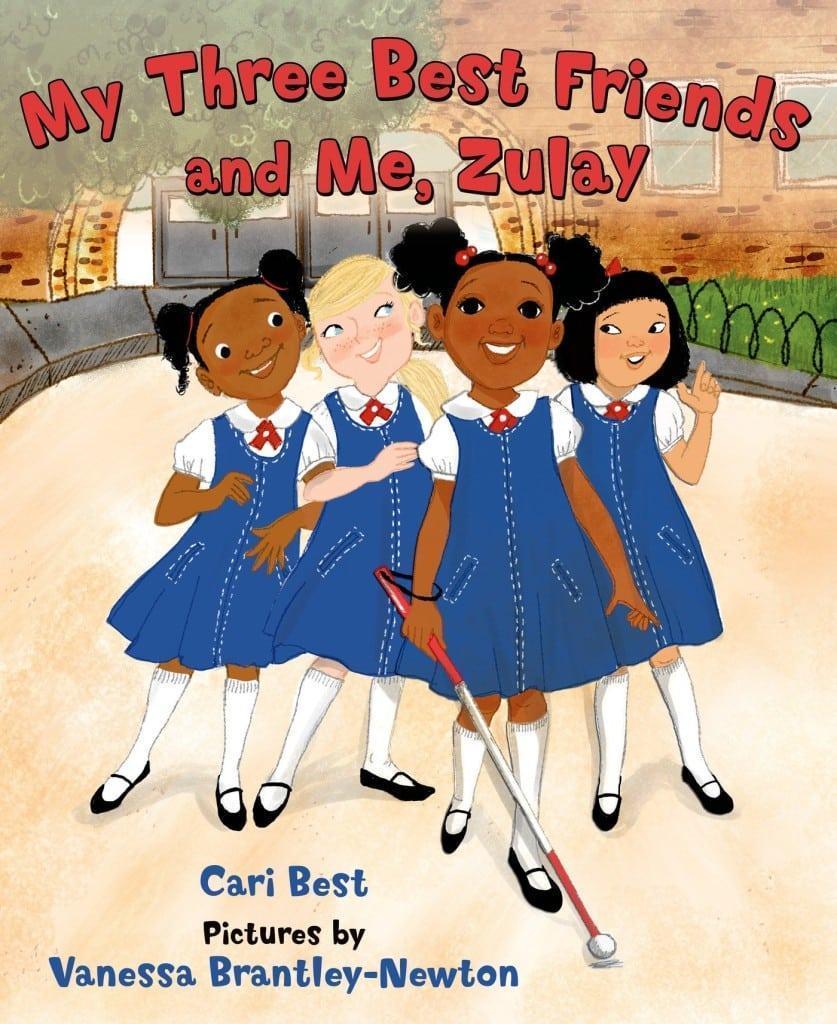 My Three Best Friends and Me, Zulay shows children how to work together in spite of their different abilities. The book takes a handicap and turns it on its head as a group of friends finds there are certain benefits that come with a major disability.
 This Side of Home is a story of gentrification that tweens and teens may appreciate. Identical twins Nikki and Maya navigate their changing self-identities as their neighborhood takes on changes of its own.
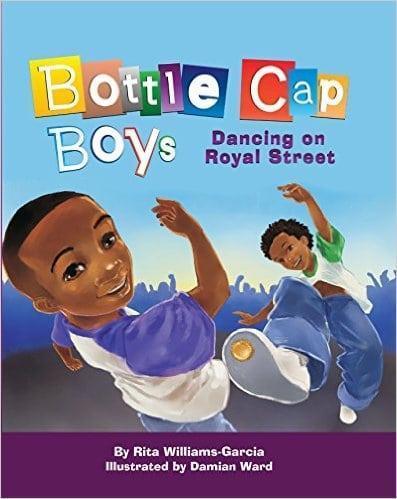 New Orleans, Louisiana has its own culture, and this book celebrates through a pair of brothers tap-dancing in the streets. Rita Williams-Garcia uses rhythmic onomatopoeia, and vibrant illustrations tie this fun story together.