






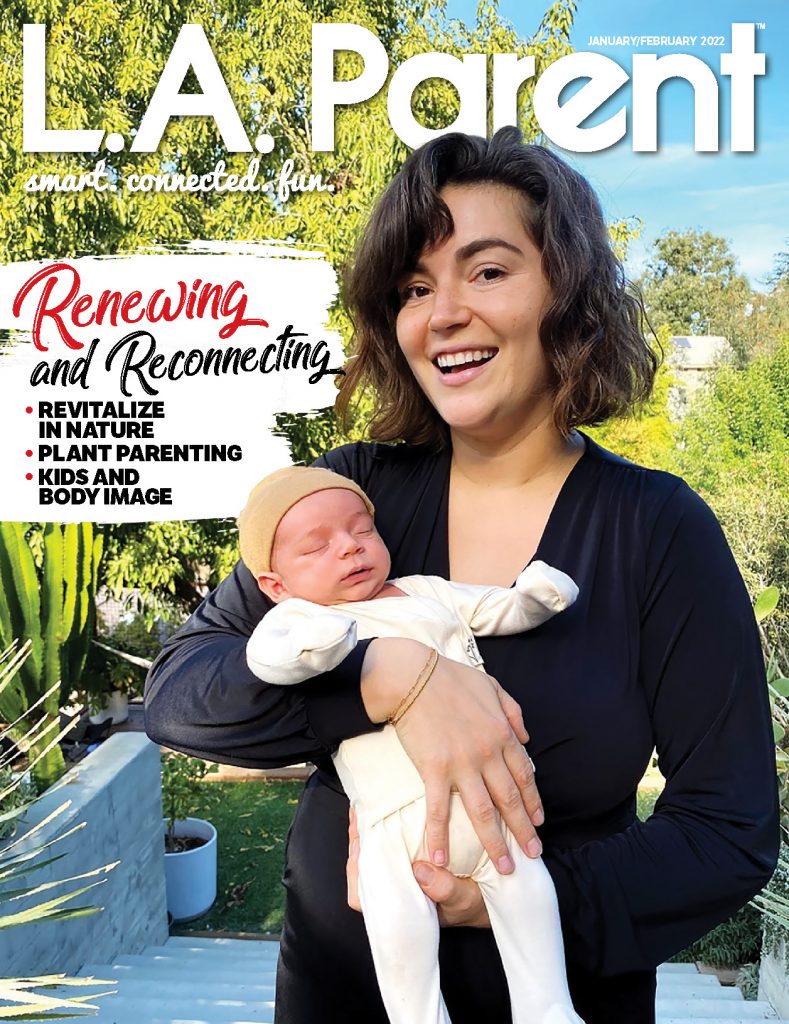



























 My vision of parenting before I had children went something like this (think Midwestern United States, circa 1979): Moms sitting in beach chairs at the end of a driveway, kids scurrying up and down the street on skateboards and bikes, teens fighting and moms shooing them away while pouring glasses of wine. Dark skies and everyone goes home. The next day: repeat.
By the time I became a mom, the reality of parenting was more like this (think big city, today): Kids signed up for structured, scheduled activities. Moms sitting behind them in gym class or on a blanket at the sidelines, chatting and sometimes frowning at the kid who pushed another kid, didn’t wait his turn, didn’t pass the ball. The kids are 5 years old. Repeat. The kids are 6 years old. Repeat. And so on. You get the picture.
From mommy-and-me to college prep, helicopter parenting has become today’s norm. And while there are many upsides to increased parental involvement, mom judgment is not among them.
In Los Angeles, mom judgment can be a remark about whether your child’s snacks are organic or a side glance if he’s allowed to play Xbox. Later, others may gape at the age at which your child got a cell phone or frown at the school she attends. Some parents whisper about who’s on what travel team or how many times a kid has been Student of the Month – or not. It’s exhausting in the best of circumstances. But if your child has ADHD, it can be grueling.
I know this from experience, having frequently been mom-judged.
When my son was little, he was diagnosed with ADHD/Hyperactivity-Impulsive type. He was the first one to talk and the last one to settle down. There is no flying under the radar for a hyperactive kid. You cannot hide – and neither can your child. Other parents notice and draw conclusions. Often they conclude that you are a slacker mom (or dad), that your child is poorly parented, or both. Another common conclusion is that it’s easier to leave your child off the birthday list. This is one of the most painful parts of raising a kid with ADHD.
To combat this, our family discussed how judgments are made and how little we know about the people we judge. When my son was younger, he used to say it was unfair that the kids who stayed on “green light” all day were praised when it was effortless for them. He worked so hard, yet he often got stuck on yellow, or even the dreaded red. “Don’t they know how hard I try?” he’d ask.
As my son got older, he often felt as if he had a red “X” on his back. No matter who started the talking, he felt like he took the blame. The heavy toll judgment takes on a child’s self-esteem is hard to watch. Even though we understand more about ADHD now than ever before, children – and their parents – are still blamed for hyperactive and impulsive behavior. The result is that they both feel ashamed.
ADHD is not a failure of parenting, nor is it a personality flaw. No one is to blame. Often there are various and costly interventions, medications and therapies going on behind the scenes. The judged mom may feel just like my son: Don’t they now how hard we try?
 In L.A., there can be a heavy emphasis not just on physical beauty, but also on perfection. “What a perfect family!” is a familiar comment on Facebook. But regardless of how attractive everyone looks or how stylish or upscale, every family has its warts. Some are simply more obvious than others. ADHD can range from subtle to unmistakable, depending on the type and the severity,
When I was a kid, my mother watched Merv Griffin and played Mah Jongg. She went to the shoe repair shop and the mall and cared little about which friend of mine shouted out in class or who was on “red light.” If I tried to tell her, she’d say, “That’s too bad” and go on with her day.
Many aspects of parenting have improved since “back in the day,” but some things never change. Kids are kids. Parents need support. No one likes to be judged. Parenting is hard. Sometimes, the best that we can do is simply remind ourselves of those simple facts – and then grab a beach chair and pour the chardonnay. It’s L.A., after all – oceans, mountains, sunshine. What could be better?
Robin Finn is an ADHD warrior, spiritual seeker, mother of three, writer, advocate, and coach. She has master’s degrees in public health from Columbia University and in spiritual psychology from the University of Santa Monica. Robin lives, writes, and searches for inner peace in Los Angeles (no pun intended). Restless in L.A. is her first novel. Learn more at www.robinfinn.com or on Amazon.

 According to Shumard, Special Olympics Southern California needs to raise $20 million in the coming year to serve an estimated 28,500 athletes. Expenses for each athlete can total $500 per year, and the number of participating athletes continues to grow. Eighty-nine cents of every dollar donated to Special Olympics goes directly to program costs, according to the organization. Here’s an idea of what a donation can fund:








 Alicia Maciel, Executive Director for


 For most of us who would like to save up for something – a new computer, a college class, a trip or even retirement – all we need to do to get started is to open a bank account or take advantage of a retirement or college savings plan. Most people with disabilities don’t have that luxury.
 As a parent and an art teacher, I permanently have my eyes on the lookout for materials that are fun, inexpensive and kid-friendly. Craft sticks have gotten on my radar lately, since you can buy them in so many lengths and widths, and since craft stores often sell so many fun wooden shapes with them. I love that they allow children to get the sense of building and creating something in three dimensions. And if you have any concerns about how to attach these wood pieces together, try some of the new craft glues now available. Many are thick and dry within minutes – almost like hot glue, but without the fuss and expense. Just say no to that runny white stuff if you can.
 Play dates are always fun, but getting to play the super cool creative engineer on the Disney campus is especially fun! L.A. Parent joined littleBits last week at Disney’s Creative Campus for an exclusive play date to unleash our inner inventor.

 Matt Asner will join





 Given enough time and togetherness, any relationship between two people will face a challenge or two. And all marriages take a bit of work, no matter how in love you are. “Love is a component, but it really is only one component,” says clinical psychologist
  You probably can’t leave your child and run off to Las Vegas for an impromptu grown-up weekend, and even “date night” might seem like an impossible dream. But don’t give up on togetherness. “Try to spend some time together as a couple,” urges Sush. “It’s going to be challenging, and many parents try to avoid this challenge.” This time won’t be like the time you were able to spend while you were dating, but as an important way to keep your relationship strong it is worth the effort.
 Every year when my husband asks, “What do you want for Mother’s Day?” I always respond exactly the same way: “Amor, I don’t need a Mother’s Day gift. My kids are enough.” But wait a minute, who am I kidding? I do want something!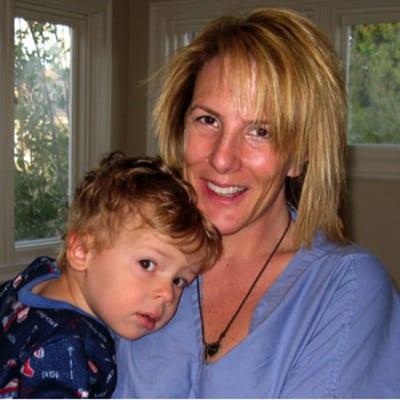
 But Magliato worries that many women, especially young moms, aren’t making these changes. “We are so busy taking care of our children and our families that we don’t take care of ourselves,” she says. She wrote her book, which has now inspired an NBC television series called
  Keep the words flowing when your child can’t talk yet by describing your own activities and environment. This tactic is called “sportscasting,” because you provide a play-by-play as events happen.
 Once your child starts using words and sentences, opportunities for conversation are everywhere.
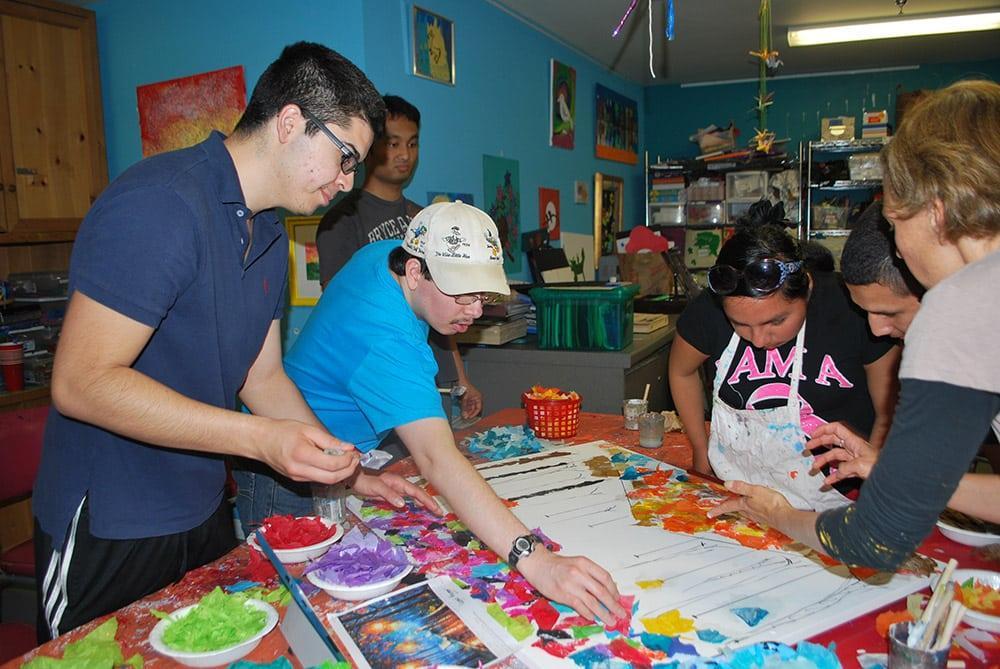


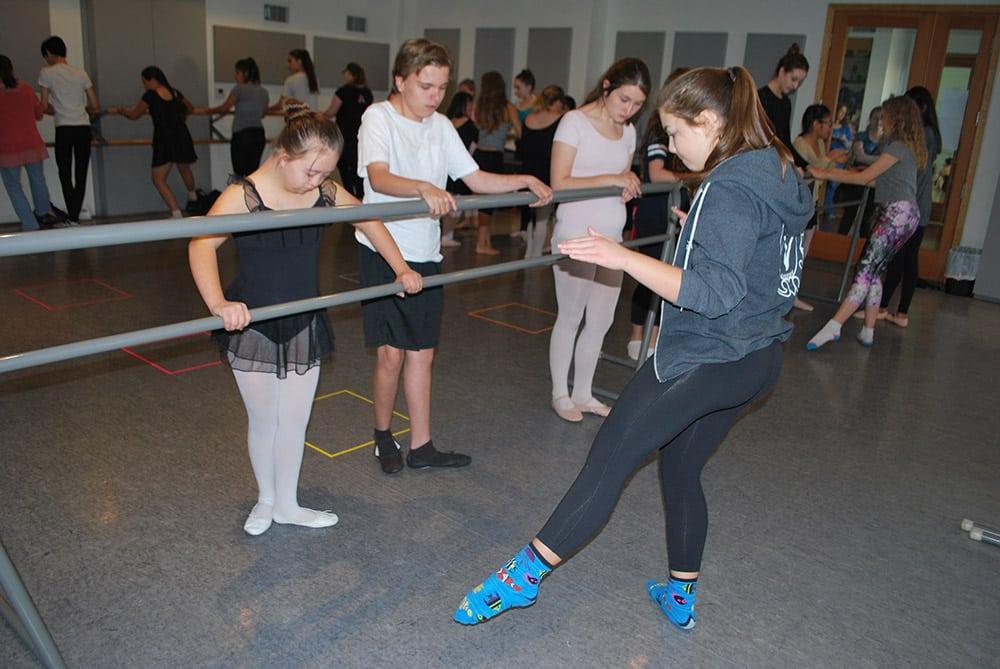


















 Estate planning is a task that is neglected by many parents. But in families that include children with special needs who will need long-term care and resources beyond their parents’ lifetime, it is a task that can seem especially daunting. Even something as wonderful as an unexpected financial windfall can have unforeseen – and devastating – consequences for these children.
 “Special needs trusts are appropriate in the situation where you have funds set aside for an individual with special needs and you think there may be a possibility you will need those funds managed after you pass on for the benefit of that person,” says Eli Economou of the
  Extra steps should be taken as a child nears age 18. “The law provides that once an individual turns 18,” Economou says, “they legally are supposed to have the ability to make all their own decisions in terms of money and medical care. If you, as a parent, believe the minor is going to be unable to effectively manage adult life, you should take steps prior to them turning 18.”






 Some families never make it over the hurdle to full-fledged resident camp, and day camp can still be a powerful alternative. “Since my kids are not sleep-away campers,” one long-time day-camp parent says, “I was interested in finding a day camp that truly felt like ‘camp.’ I wanted my kids in a natural setting with camp-specific activities — archery, horses, arts, and crafts — that they would not experience during the school year.” This family includes three boys, the oldest of whom has been attending the same day camp for 10 years. All three have outgoing, positive personalities, yet they nevertheless have continually struggled each summer with being away from home (They rely a great deal both on the support of their parents and the familiarity of their own bedrooms.), making it difficult for them to attend resident camp.
 Additionally, the daily return home allows for a greater partnership between the camp and the camper’s parents surrounding the growth and skill building that takes place at summer camp. At day camp, another director tells us, “The parent still plays a large role in the child’s daily life. In the evenings, parents can work through obstacles that their child faces and help shape their solutions. This gives the child practice for when they have to work through issues on their own.”
 Andy Kimmelman is CEO of
  Yalda Uhls understands how much you want to Instagram those adorable photos of your toddler on the potty. Really, she does. And the mom of a 13-year-old girl and a 10-year-old boy is happy that Instagram wasn’t around when her children were small.
 If your child is having a party and you or your child post about it on social media, those photos or videos tell everyone you know who was – and wasn’t – invited. That could lead to hurt feelings and awkward conversations later. If you are hosting kids old enough to have phones of their own, Uhls recommends asking them to leave their phones in a box near the door so that no one is tempted to snap and share.





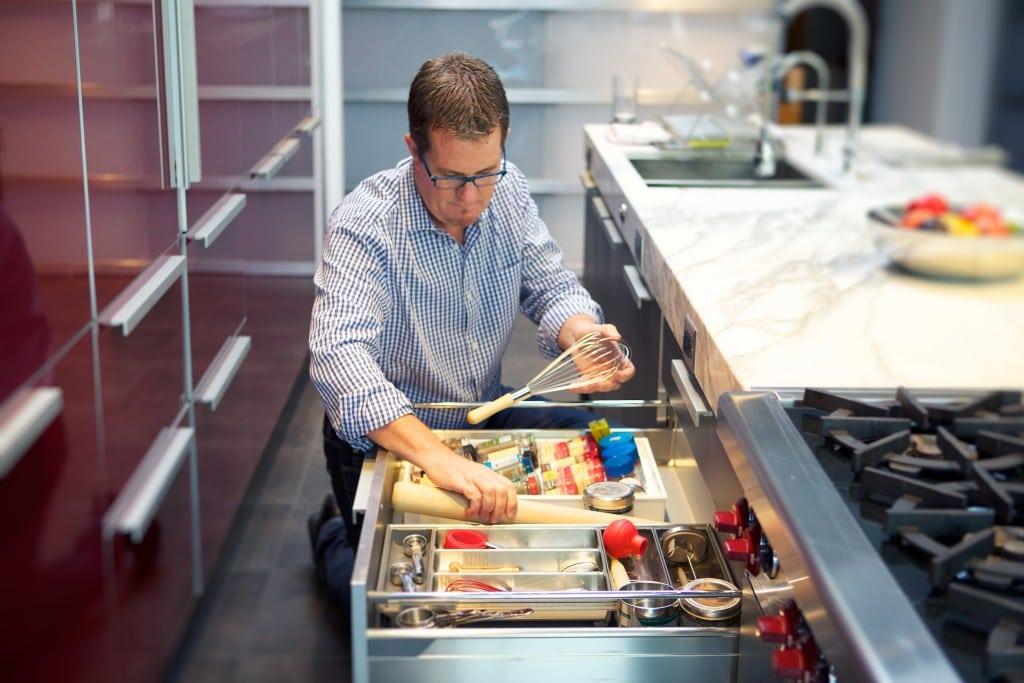


 Have you ever stopped to think about what the definition of “sleep training” really is? Unfortunately, several incorrect sleep training stereotypes exist, suggesting that the practice requires parents to do everything from shutting the door on an 8-week-old baby for 12 hours, to eliminating nighttime feedings, to surrendering your family values to a sleep trainer who stays overnight at your home for several weeks. As a sleep consultant, I’ve heard it all.
 The other day, a 9-year-old came in to the emergency department with an elbow fractured in a way that required a surgical repair with metal pins, and a cut across the middle of his forehead that required plastic surgery. He had tried to skateboard down six stairs.


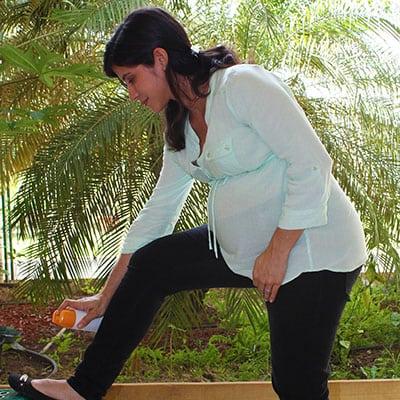



 Television host, sportscaster and military spouse Leeann Tweeden is helping bring joy to 40 Los Angeles-area military moms-to-be when she serves as guest host of a group baby shower in their honor. The event is scheduled from 11 a.m.-1 p.m. Feb. 16 in the clubhouse at The Riviera Country Club during the PGA TOUR’s 2016 Northern Trust Open. The moms are active-duty service members or the spouses of deployed members of Naval Base Ventura County and other area military installations.


 Nearly 64 percent of parents spend more than five hours a day looking at digital screens. And if we’d put down our smart phones and tablets long enough, we would notice that our kids are right behind us, with 65 percent connected two hours a day or more.
 Mary Ann Frattarole thinks it was early 2012 when she started getting desperate calls from parents and caregivers of children and adults with special needs. “I got some heart-wrenching calls from parents that had a special-needs child,” she says, including one mom who also had a husband with a disability for whom she was the only caregiver. “She said, ‘I don’t know how I can make it another day. Can you please help me?’”


 A few moms sit on the floor of a bright, airy playroom at Well Baby Center in L.A. with their 1-year-olds toddling nearby. Facilitators, family therapist interns who are Masters-level graduate students, move among the toys, babies and moms.
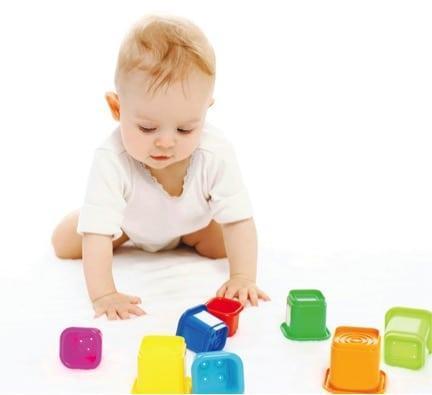 “Brains are built over time,” explains Pat Levitt, Ph.D., Simms/Mann Chair of Developmental Neurogenetics at Children’s Hospital Los Angeles and WM Keck Provost Professor at USC. The basic structure is present even before birth, so that the baby is ready to interact with the world. “We use our senses to do that. We see, we hear, we touch, we smell,” says Levitt, who was a speaker at the Think Tank.
 These games also spur the baby’s social and emotional development. “The timing of when babies begin to purposefully engage socially with others in their environment corresponds to the development of fine motor skills,” says Levitt. “Social and emotional behaviors contribute strongly to an infant’s cognitive development, promoting a baby learning about their world.” Levitt notes that one of the first things infants start to do when they have successfully grabbed an object is to hold it up to share it with whoever is around. “Look what I got!”
 Physical activity and exploration also has another role: It stimulates production of chemicals that help our brain connections operate at their best. This may be one of the reasons toddlers are so active. They are using the motor system to learn about the world. “That physical activity is changing the physiology of the body and the brain in a really positive way,” Levitt says. It is stimulating development of something called “executive function.”
 I’m leaping over speed bumps, cruising the potholed boulevards and aimlessly wandering the canyon roads. I have no destination and am often jammed in a traffic-laden city artery, but I have not an ounce of road rage, lane pain or street defeat. No, I’m delighted, because Hank is still asleep in the back seat.
 I start in Mar Vista. Hank is babbling in the back, chewing on some of his books. From Centinela Avenue, I head West on Short Avenue – a truly short avenue that promptly turns into Mindanao Way, leading directly to the Marina.
 I drop off the Mrs. at a nail salon on Montana Avenue and Hank needs to sleep. Where do I go? I go north. I go rich and I go famous. I go languish amidst the opulence and history of the Three Queen Bees: Brentwood, Bel-Air and Beverly Hills. Passing mansions and poodles and nannies walking tricked-out strollers, my baby isn’t raising hell – he’s on snooze.
 Granted, I’ve been driving through some high-rent districts. But sometimes viewing the elite and privileged gets old and irksome. I’m working hard. I’m not some silicon beach Google-glassed millennial. I’m not some private schooled trustafarian selling soap in Silver Lake.




 Ask questions, trust your instincts and don’t be afraid to shop around for someone who feels like the right fit.
 As a young teenager, I always looked for something that would allow me to express myself. I tried taking piano lessons for two years, but felt that there was something missing. As amazing as it was to play music by legends such as Beethoven, I didn’t feel that I owned a piece of it. I always had the desire to perform for a crowd and create something of my own.
 There are many decks in many different price ranges. Beginner-level decks are ideal for those who are starting out and want to get an feel for what it means to be a DJ. Some great decks to look into for beginners are the
 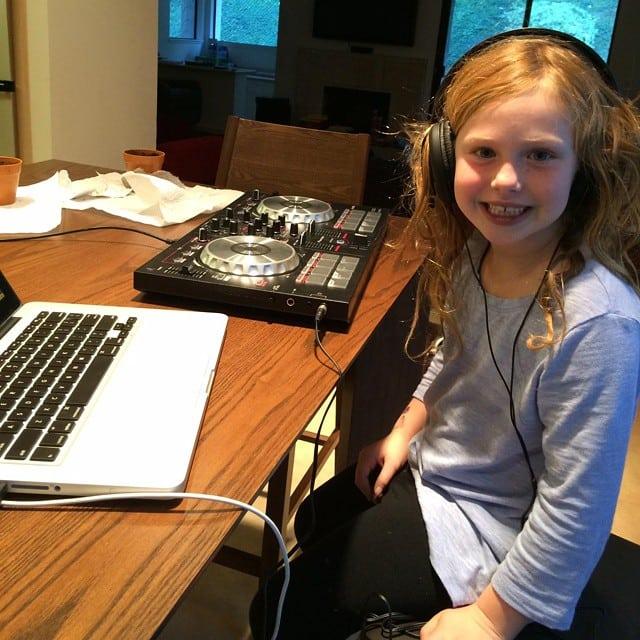 Music production is slowly becoming more available to the general public. To give it a try, students will need to purchase a Digital Audio Workstation. Some of the most popular DAW’s are Ableton Live, Apple Logic Pro, and FL Studio. Even though they have a few different features, the main idea of creating music is the same with all of them. The software will be connected to the student’s laptop where they will store all of their music content.

 For the third year, Grand Park and The Music Center bring the New Year home. And this year the celebration promises to be the biggest yet, with more entertainment options and new opportunities for Angelenos, family and friends to connect with each other. Grand Park + The Music Center’s N.Y.E.L.A., which takes place from 8 p.m. Dec. 31 to 1 a.m. on New Year’s Day, will cover 90 acres from The Music Center Plaza to City Hall (Hope Street to Main Street) and from Temple Street to 2nd Street. More than 50,000 people are expected to attend.
 The Music Center’s Dorothy Chandler Pavilion—surrounding and connecting audiences in the park, on The Music Center Plaza and on adjacent streets. These projections will appear to “bounce” from one building to the next and back again. The projections will culminate in a spectacular countdown to midnight.







 For the arancini
 salt and pepper to taste
 1½ pounds peeled cubed butternut squash
 3 tsp baking powder
 1 cup whole milk






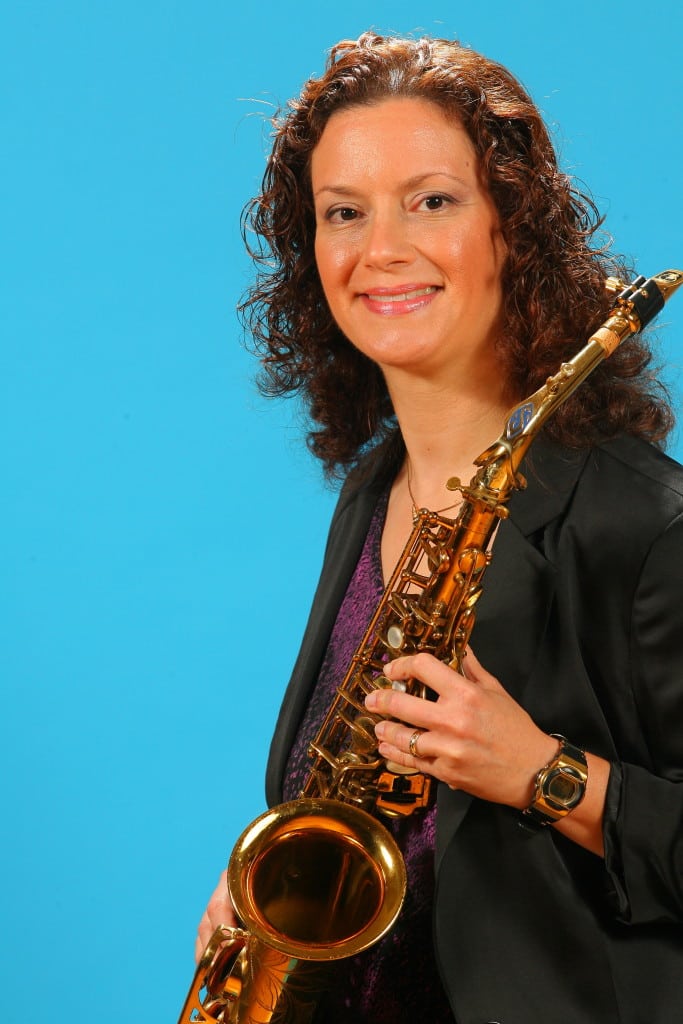 Buying an instrument is an excellent investment. To get the most for your money, doing some simple research before going to the store (or internet site), knowing how and how long the instrument will be used, and knowing the right questions to ask when trying out the instrument will help you make the most informed decision possible.


 If you or someone in your family is taking a particular medication or undergoing treatment for a chronic condition, you also need to know whether your plan will cover that care. And you should find out what type of after-hours care is covered, and whether the plan provides access to a 24-hour advice nurse.