


































Gardener Chris Young, in his “Tiny Sur” garden at home, wrote “Is That A Fairy?” an e-book that stars his beagle, Daisy. PHOTO COURTESY CHRIS YOUNG
When Chris Young was growing up in Indiana, and later when he lived in New York City, there wasn’t much to do in the garden in the fall because freezing winter weather was on the way. But 10 years ago, he moved to balmy Los Angeles, where the shorter days and cooling temperatures of fall make it a great time to plant.
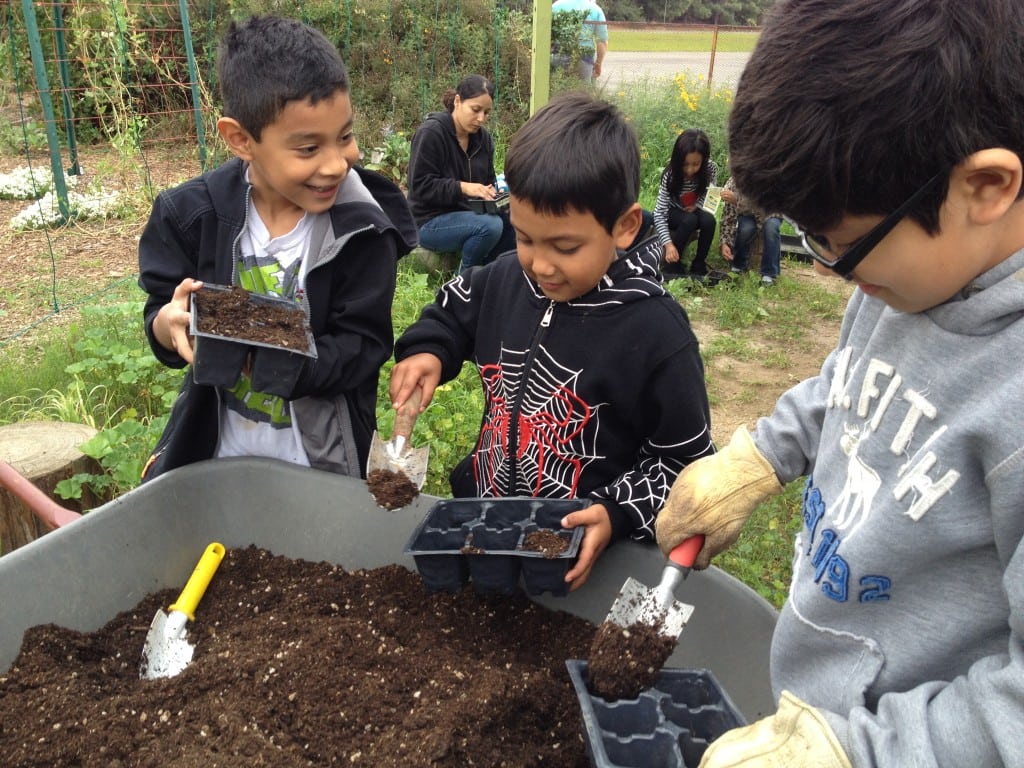
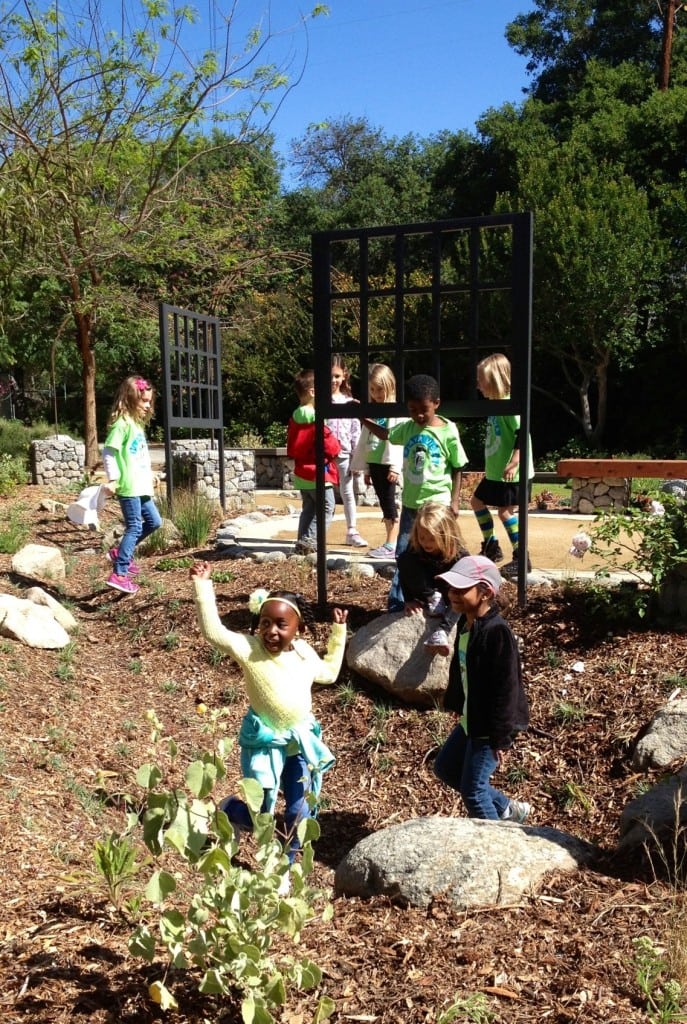
The yard surrounding the Laurel Canyon home he now shares with his beagle, Daisy, wasn’t much to look at in the beginning. “There was a big cement slab and a big blob of grass,” he says. But Young transformed the property into the garden he now calls “Tiny Sur,” a National Wildlife Federation Certified Wildlife Habitat and a Monarch Watch (that’s the butterfly) Monarch Waystation.
The neighbor children who come to help, and play, at Tiny Sur inspired Young to write “Is That a Fairy?,” an e-book that follows a boy (or girl – the reader gets to choose) and Daisy the dog on a quest to meet a real fairy. Myke Weiskopf, a friend of Young’s who does field recordings for National Public Radio, captured Daisy’s barking and garden sounds from Tiny Sur for the book.
Young says families can easily create their own wildlife (or fairy) sanctuary at home.
Start small. “My garden, it wasn’t done all at once,” Young says.
Spruce up your soil. Dig some organic compost into the dirt before you plant, and add a one-inch layer of compost around the plants once a year.
 Gather plants and information. Young’s go-to sources for California native plants are the Theodore Payne Foundation in Sun Valley (www.theodorepayne.org), Sunset Nursery in L.A. (www.sunsetblvdnursery.com) and Annie’s Annuals & Perennials (www.anniesannuals.com), which is based in Northern California but sells plants online. Young’s plant suggestions include:
- California lilac. Plant one in a corner, then sew California poppy seeds into the soil around it. The seeds need to be stomped into the ground, which is a fun job for kids.
- Sunflowers, which you can plant in a circle to grow a kid-sized fort. Harvest the seeds, or leave them for the birds.
- Any plant with berries, because birds love them. Gooseberry and a Los Angeles native called Nevin’s barberry are two of Young’s favorites.
- Milkweed, which monarch butterflies need to survive.
For the best information about caring for your new plants, Young recommends talking with the folks at a quality nursery. (At Sunset Nursery, he asks for Sally.) “They’re nerds like me and they love to share what they know,” he says.
Visit your garden patch daily. Make sure everything has enough water, and check out what’s going on. “You’ll see the caterpillar on your milkweed and you’ll get so excited,” Young says. “It’s nice quiet time with the kids. It’s a nice thing to share.”








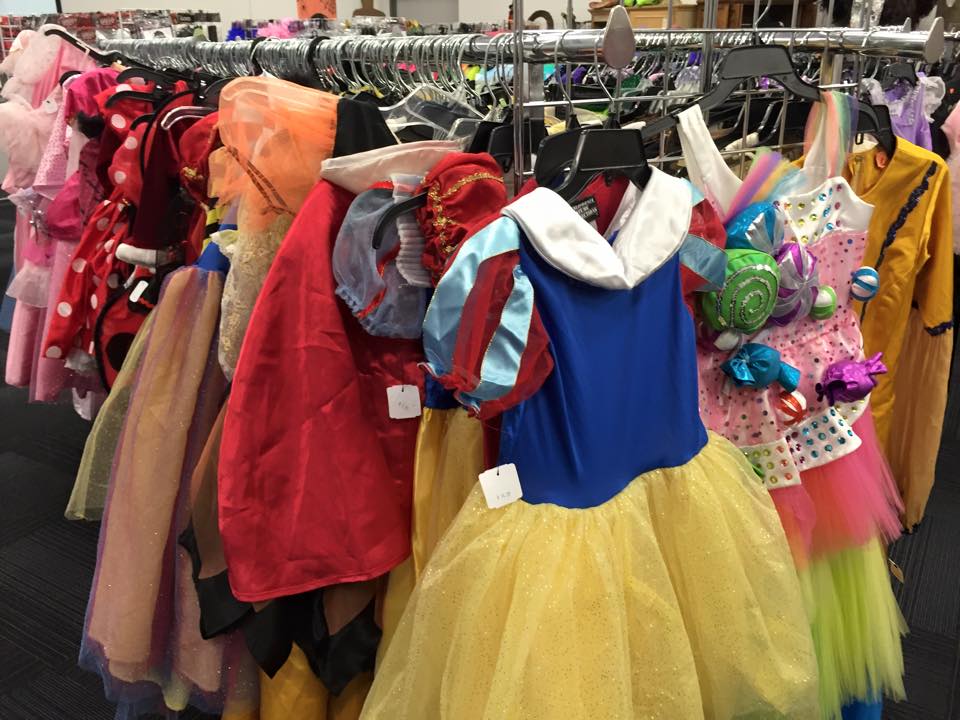 Are your kids still deciding what to be for Halloween? Check out the Halloween BOO-Tiques at Goodwill Southern California’s 80 Los Angeles, Riverside and San Bernardino county retail stores.


















 Lucky’s Chile Colorado Recipe:











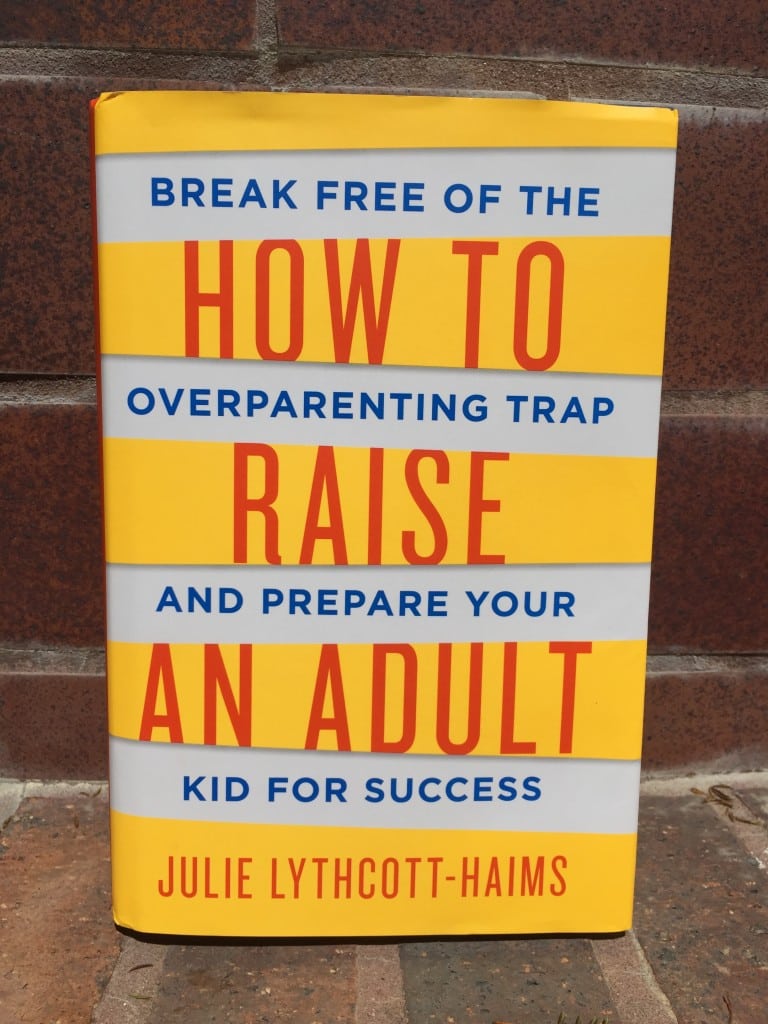 In recent years, there has been a lot of talk in the media, at PTA meetings and among parents and educators on the effects of helicopter parenting – knowing when to step in to help and when to allow children to do things for themselves. A new book by Julie Lythcott-Haims does a great job exploring the topic of over-parenting and its detrimental effects on young adults.






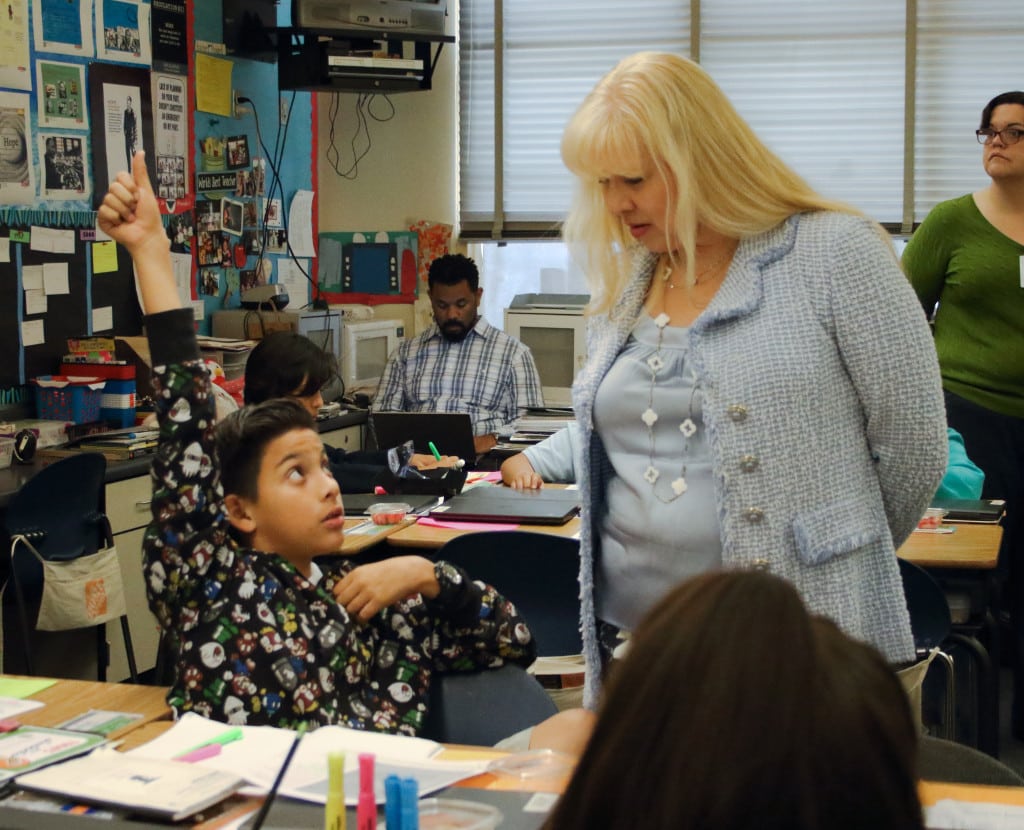
 There’s no question that academic expectations for students have become more rigorous in recent years. You may have heard that traditional kindergarten at most public schools is now academically equivalent to what first grade was a generation ago. And it doesn’t get any easier from there. While many students enjoy and rise to the challenge of mastering new subjects, the steadily increasing load of schoolwork, tests and homework can take its toll on even the most eager learners. Meanwhile, for students who have learning disabilities or face challenges outside of the classroom, the situation can feel completely overwhelming.
 Getting organized at the beginning of the school year is the first and most important step, as planning ahead and staying on top of assignments will keep some of the academic performance jitters at bay. Parham offers a few tried-and-true organizational strategies for students and parents to work on together:
 Yoga and meditation are excellent tools for dealing with stress, as well, and can also help children maintain a calm, ready-to-learn demeanor during school hours. Kelly Wood has offered yoga training to school teachers since 2002 and is co-founder of the nonprofit SCHOOL Inc., which brings weekly 20-minute yoga and mindfulness classes to inner-city public elementary schools in Los Angeles. “If taught appropriately, children are inspired to use the practice of calm breathing at any time and place – home, school, playground, extracurricular activities and so forth,” Wood says.
 While you want to look out for your child’s best interests, however, you don’t want to shelter him from real-world expectations or give him the idea that he is entitled to be treated differently from classmates. It can be helpful to gather information about the school’s homework policy, and to find out whether other students in your child’s class are also struggling.
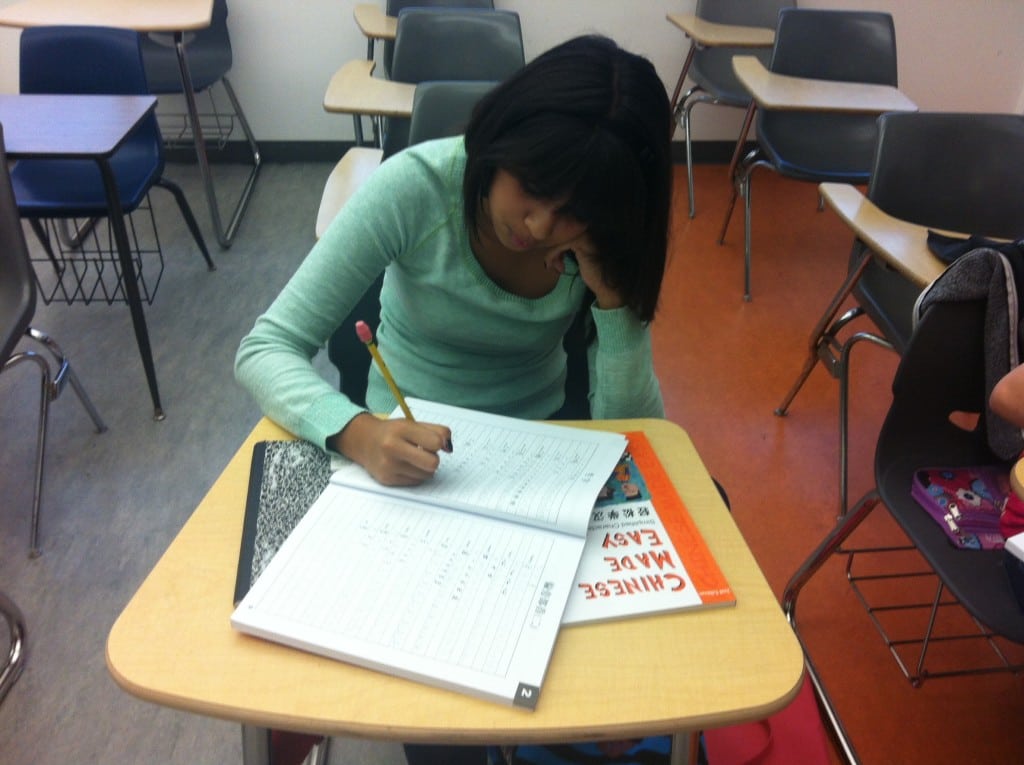




















 A group of teens is talking. Your child wants to join the conversation, but isn’t sure how to go about it. What would you advise? If you’d tell your child to just walk up and introduce himself, you aren’t doing him any favors.
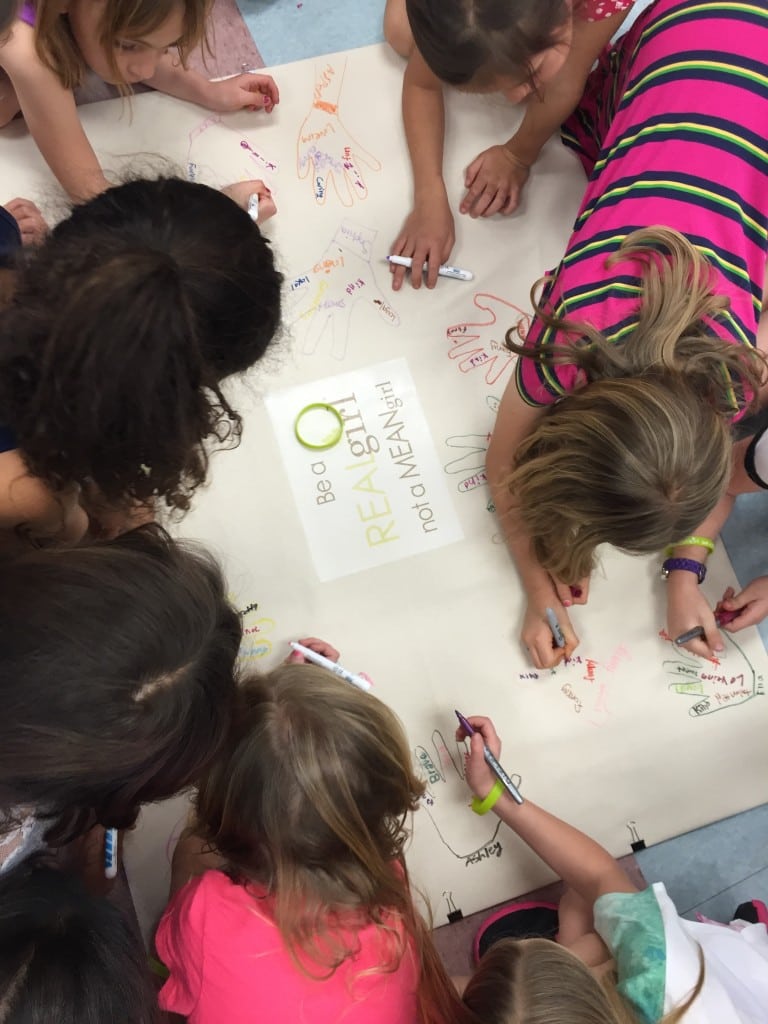
 Bullying behaviors also change at this stage. While among elementary-age kids, most bullying takes the form of teasing, new types – including rumors, gossip and cyber bullying – emerge as kids enter adolescence. And while younger kids often can rely on adults to resolve social conflicts, teenagers are more often expected to resolve them on their own. These kinds of skills are also covered during PEERS workshops.



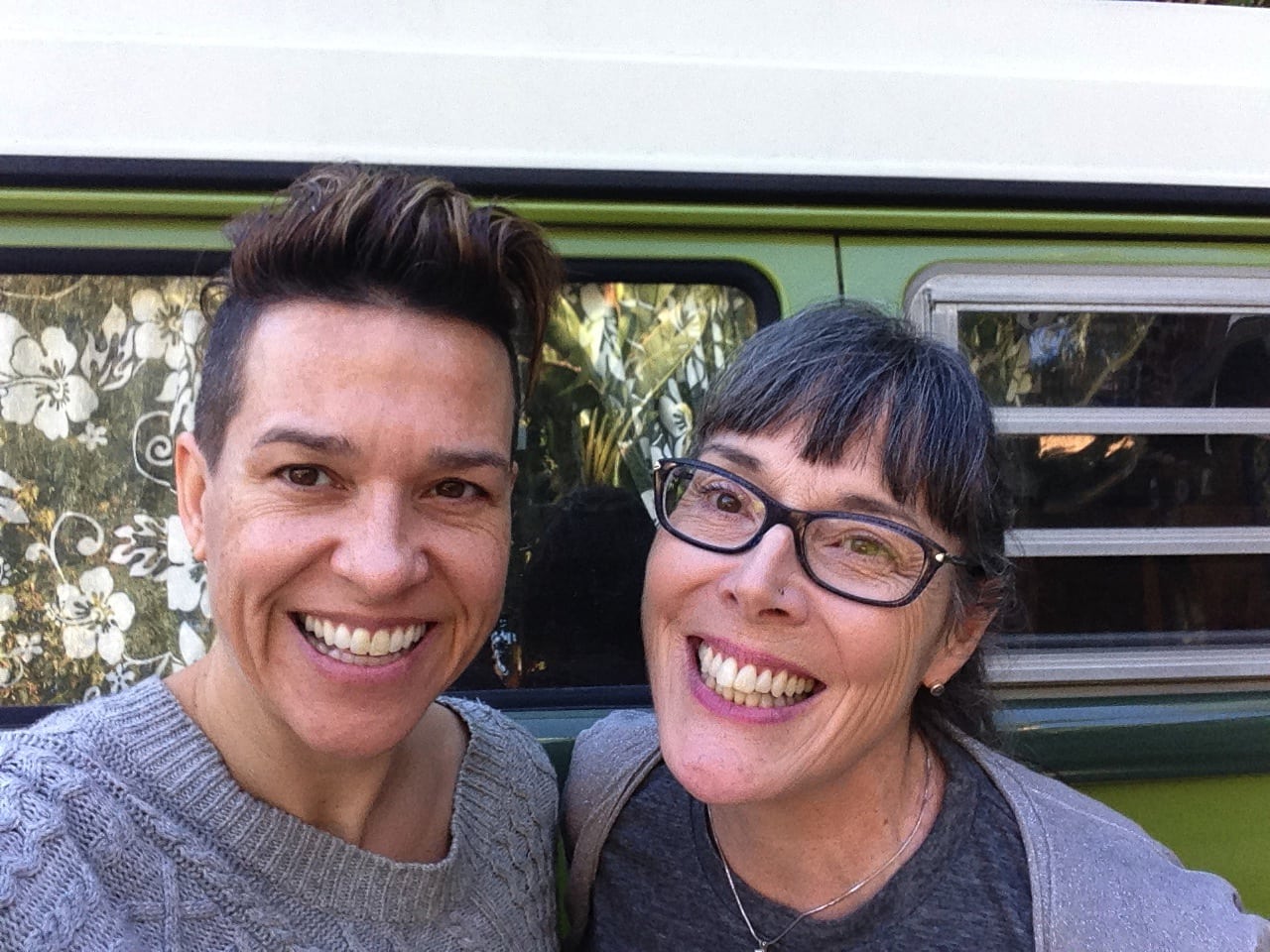

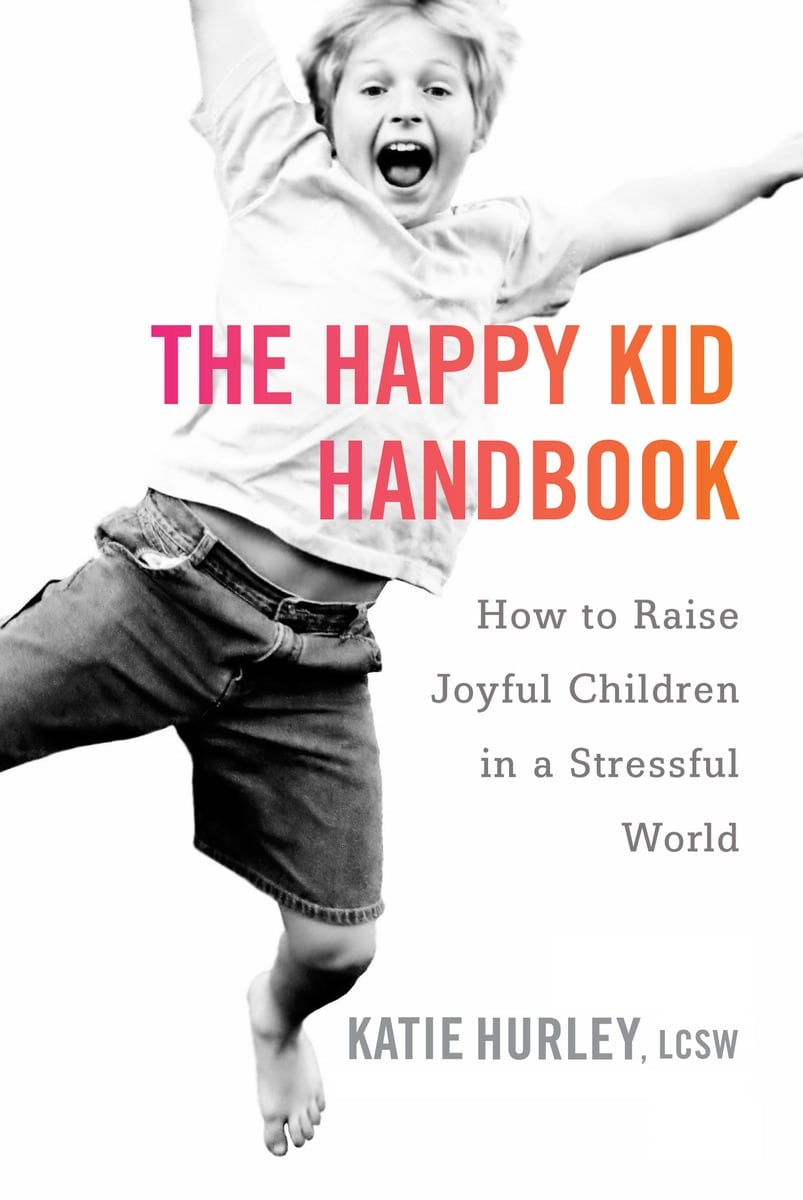 My kids will tell you that I can make almost any game into a “feelings” game, and they’re probably right. I’ve been known to put a therapeutic spin on everything from “Simon Says” to “Bingo,” but my favorite game to alter is “Jenga.” In our house, we work together to keep the tower standing as long as possible and add fun questions to the blocks to incorporate roleplay. I ask the kids to tell me about situations at school or out in the community when it feels hard to speak up, and we write questions on the blocks that relate to those events. “What would you do if one friend teased another?” for example, cues the child to act out ways to stand up for a friend.
 Timothy Gunn, Psy.D., is a licensed clinical psychologist who specializes in pediatric neuropsychology and appears as the Question Validator on Lifetime Network’s “Child Genius.” He runs a group practice with several offices throughout Southern California. You can find out more about his practice at









 Your daughter is going off to college and you’re worried she won’t be prepared to live away from home (though she’d probably beg to differ). The team behind HerCampus.com and
 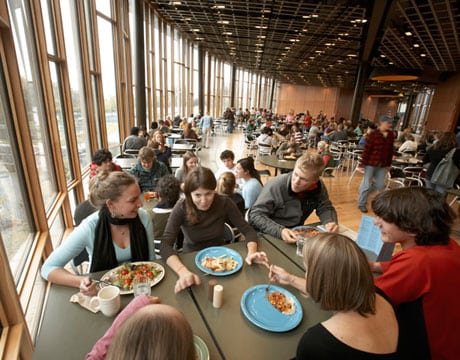 Dining halls can be overwhelming at first. How do you even handle the endless food options? Many schools have menus online, so have your daughter check them beforehand and get an idea of what she’s going to eat. Planning meals ahead of time will help her avoid getting a little bit of everything. Often, the menus will also include nutrition information so that she can make healthy choices – once she gets sick of pizza, of course.
 College students are known for being broke. Make sure your daughter knows exactly how much she can afford to spend, and try to avoid unnecessary expenses such as gourmet coffee (she can brew it herself instead!) or that pair of shoes she can’t walk in, but loves anyway. Set a budget for necessities such as textbooks, living expenses and office supplies, then help her set aside money for vacations, entertainment and shopping.








 ETTA’s Isak Boruchin Adult Day Program opened in September with three clients, and has exceeded expectations by growing to 14 clients in the first year. The program provides safe, meaningful and purposeful volunteering, job development, skill building, and recreation activities for adults with disabilities at sites within their local community.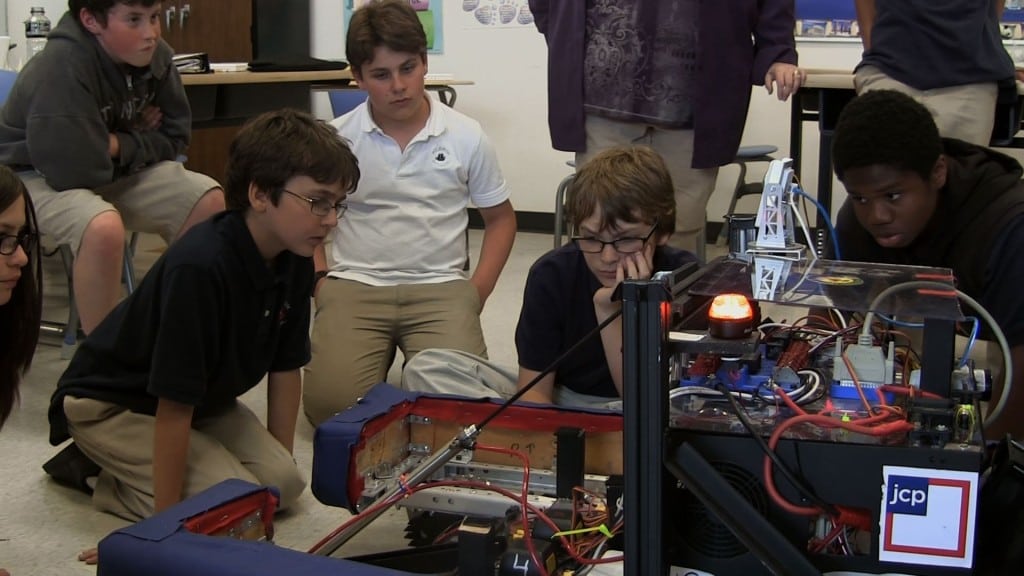
 Viewers learn why students like those at Bridges are underserved in mainstream schools. Some 2e kids aren’t socially adept. Others have anxiety, sensory issues or slower fine motor skills, but all are intellectually gifted in some way. Bridges student Sydney describes them in the film as, “somebody really smart, just not good at parties.”

 The unusual rainstorm over the weekend means lots of water washing through L.A. storm drains and down to the ocean, where the bacteria and pollution the storm water brings with it makes the water unsafe for swimming.
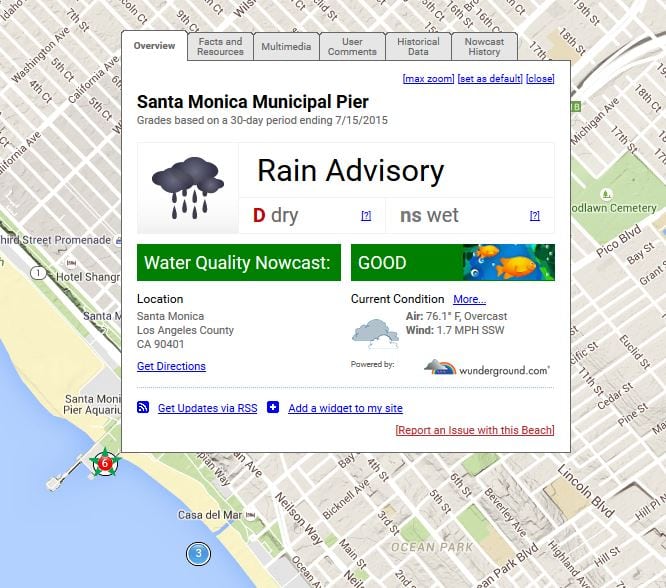 The nowcasts are based on the results of predictive computer models that estimate fecal bacteria levels in the surf zone in real time, based on both water quality data (most recent samples and historic trends) and weather conditions (rain, wind and waves).
 A physical education program that brings commercial-grade fitness equipment to under-resourced schools, along with a curriculum based on boosting confidence and making participation more enjoyable, dramatically increases students’ performance on California’s standardized physical fitness test, a UCLA study has found.
 Approximately 23 percent of children and young people under the age of 18 in Los Angeles County are obese, and another 19 percent are overweight. Limited access to free and safe spaces for physical activity outside of school in low-income communities, where the problem is most prevalent, makes it more difficult for children from those communities to get regular exercise, creating potential for problems with children’s health.
 Highly sensitive children feel things more deeply than other children do, and oftentimes respond more quickly. Their heightened perception includes being sensitive to sensory input such as loud noises, harsh images, strong smells or scratchy tags on clothing. Coupled with their incredible sensitivity is an intensity that can go quickly in the “right direction” as they immerse themselves in a creative project, or in the “wrong direction” as they cry uncontrollably at the slightest provocation.
 With guidance from older adults with similar sensitivities, daily outlets for their creativity and like-minded friends and people around who see their sensitivity as an asset versus liability, highly sensitive kids have a solid start in the direction of more harmony and ease.
 Maria L. recently searched a swap meet for the perfect stroller for her baby, due in a couple of weeks. When she settled on one to purchase, Maria had no idea that the item was on a Consumer Products Safety Commission


 Regine Muradian, Psy.D., is a clinical psychologist who uses evidence-based treatments for children, adolescents, adults and couples with a wide range of emotional, behavioral and adjustment problems such as obesity, eating disorders, depression, anxiety, relationship issues and ADHD. She provides workshops in positive parenting, teen issues, anxiety, depression, substance abuse, family conflict resolution and organizational management. She lives in Los Angeles with her husband and three children. Learn more at











 As your family enjoys Fourth of July festivities and other outings this summer, pay attention to how much anyone who plans to drive is drinking – especially if they will be driving with kids – urges Stephanie Tombrello, executive director of the California-based nonprofit























 If we are what we eat, then most of the packaged foods on grocery store shelves will turn your family into a salt shaker. A government report published in April found that more than half of these foods – including more than 70 percent of pizza, pasta and meat dishes and 50 to 70 percent of cold cuts, soups and sandwiches – contain more salt than U.S. dietary guidelines consider healthy.
 Prep ahead. Spending 10 or 15 minutes chopping fresh bell peppers, carrots, onions, zucchini or other vegetables for the week means these are ready to toss into a salad, pasta dish, soup or stir-fry. “Place these prepped vegetables in containers and keep them in the middle of the refrigerator as a reminder to add into dishes,” says Halas-Liang.
 As summer begins, many parents look forward to a relaxing, stress-free two months. They are so happy to be relieved of the pressures of getting their children ready for school in the morning, making lunches and making sure homework gets done in a timely manner. The household looks forward to the less-structured environment and a vacation from routine. I understand and sympathize with this feeling of relief. However, I want to suggest a different outlook.




 I encourage parents to have a menu of resources to dole out at appropriate times to allow for more self-care – for example, stashing a set of running shoes in the trunk so you can go for a jog while you wait for your child to finish the therapy session, or setting up a list of podcasts to listen to while waiting in the carpool line.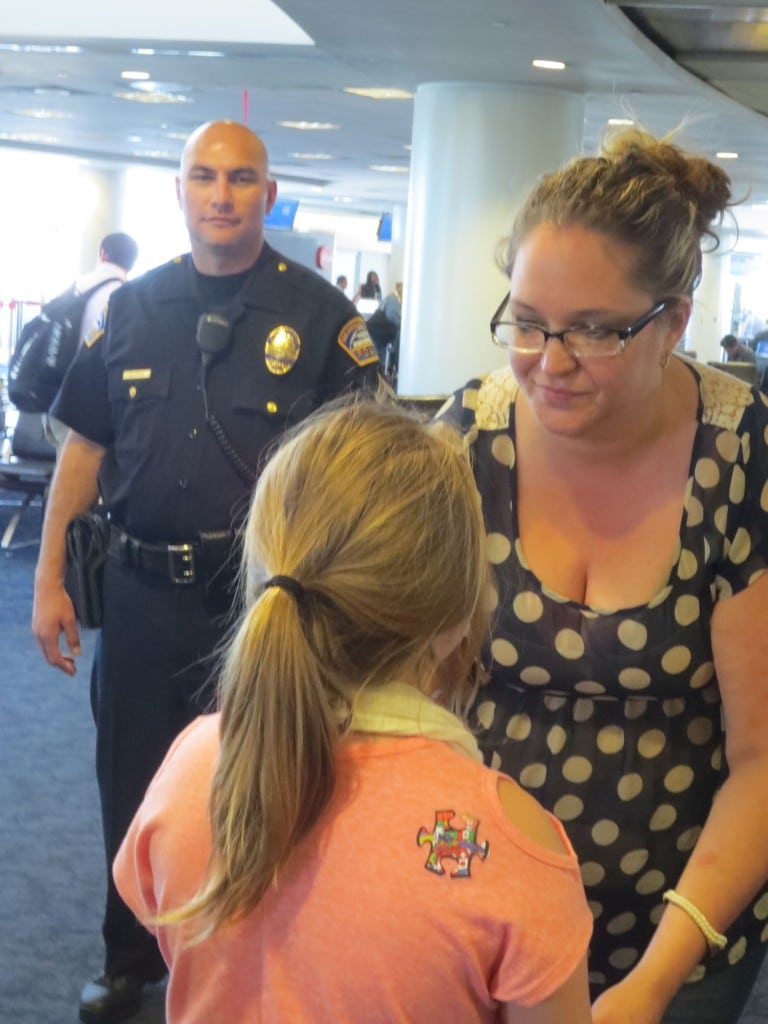





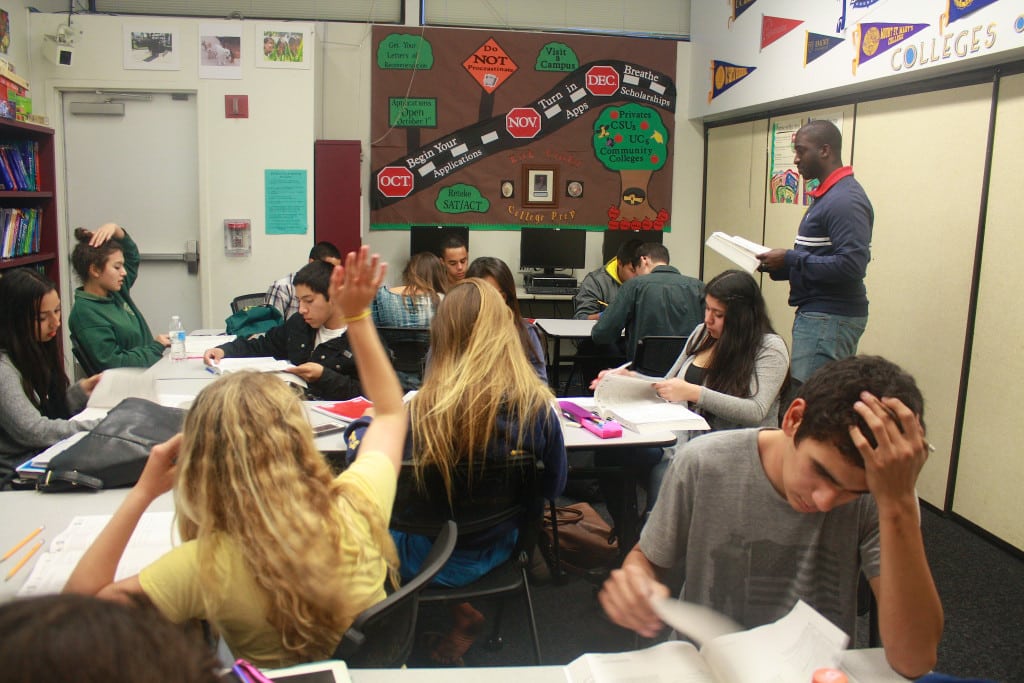
 It’s no secret that getting into college is harder than ever. More students are applying, and many are applying to multiple schools to ensure they are accepted to multiple schools and have options. According to
 College and career planning can be fun and engaging, and foster new connections between parents and their teens. The process also teaches teens valuable life lessons of responsibility, resilience and independence.




 Every year we grow a little older. And when we are children, this is fun. That’s because of birthday parties. And if you are planning a party for your child, you know that you can’t open the gifts, cut the cake or get to that magical singing-over-the-candles moment unless you’ve sent out the invitations.
 Guidelines about what to include on party invitations that you send by mail also apply to Evites and other forms of electronic invitations. Isgar suggests writing out all of the necessary information before you begin creating your electronic invitation, because once you start working with the template it is easy to forget details. She also recommends testing the invite by sending one to yourself or someone else in the family first, to make sure it goes through correctly.
 And on party day, if a child arrives whose parents did not RSVP, or if a parent brings along an uninvited sibling, “the best thing you can do is just roll with it and welcome them,” says Isgar. This will be easier if you arrange for a little extra food and a few extra party favors.





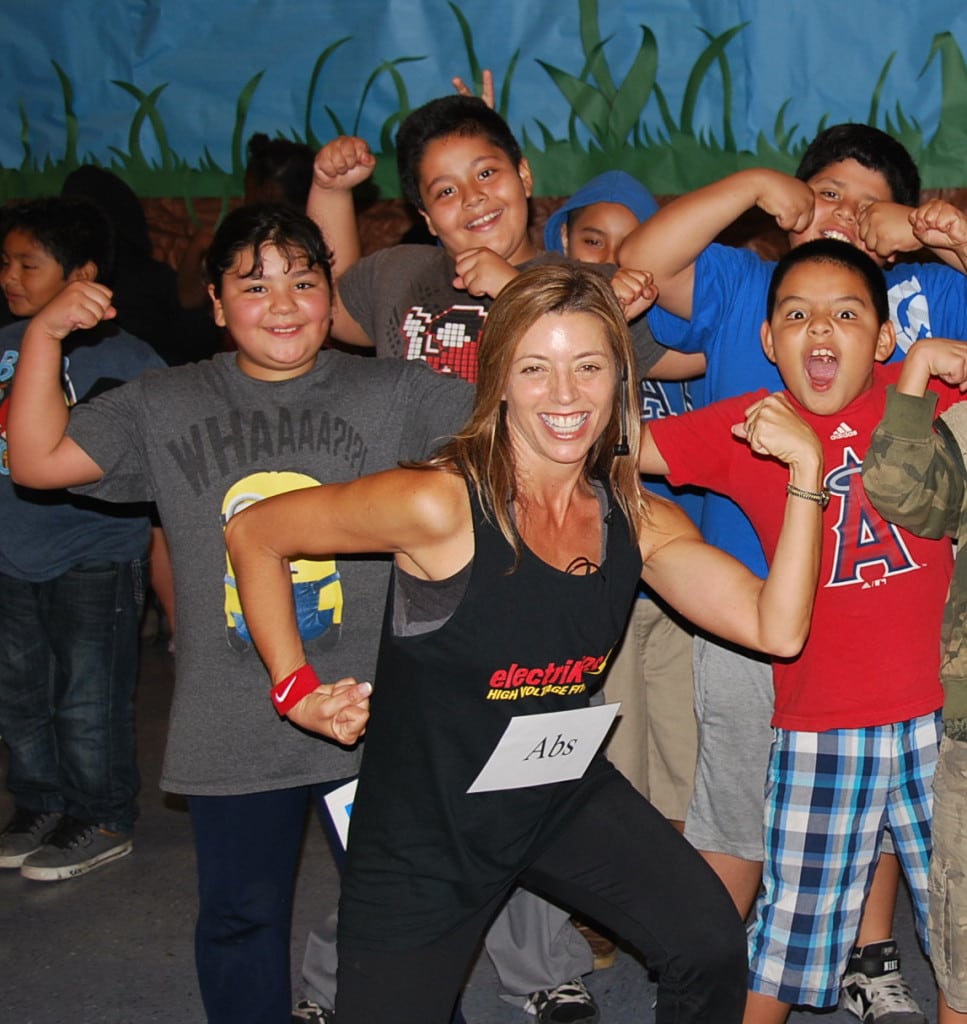






 Book exercise time with friends. The last thing most moms want to do is exercise, due to fatigue and busy schedules. Make a decision to put yourself first by booking time to exercise with a friend. Committing to somebody else makes it that much easier to keep at it. Even a walk around your neighborhood will have myriad health benefits, and will do wonders for your peace of mind and mental health.