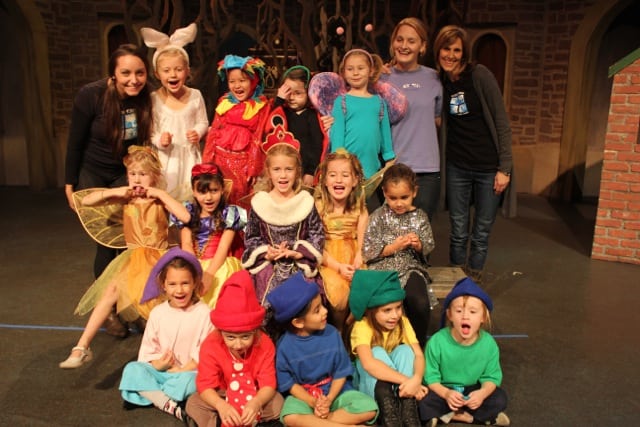




























Kimberly Schwarz’s children help plant a community garden during a Jewish Federation Day of Good Deeds event. PHOTO COURTESY KIMBERLY SCHWARZ
In the movie of our lives – where we star as the Perfect Parent – we see ourselves unreservedly volunteering to visit the sick, feed the hungry and help those less fortunate. We see our children – inspired by our selfless acts – grow into adults who find ways to eliminate world hunger and make poverty a thing of the past. If only.
Most parents I know have trouble squeezing in even a shower between soccer practice, violin lessons, working and packing school lunches. Who has time to save the world?
During the holidays, at least, many of us try. For the past several years, our family has incorporated altruism into our celebration of the eight days of Hanukkah. Instead of eight days of random gifts, we designate each day to represent a different family activity, such as baking or reading. One day is set aside for charity.
Last year, we called and got a wish list from Casa Pacifica, an organization serving abused and neglected kids, and set out with 6-year-old Kaleb and 4-year-old Knox to buy presents for the children who live there. We delivered the gifts in person so my boys could see where their treasures were going. They talked about it for months.
Beginning At Home
For Britt Barder and her husband, David, charity begins at home. Over the years they have opened their arms to 46 foster children, and adopted two. “It’s addicting,” Barder says. “You feel so good helping, you don’t want to stop.”
It began in 1990 when the family was waiting to adopt. The County Department of Child and Family Services contacted Barder about fostering, and though it wasn’t part of the plan, she decided to give it a try.
“Some of them are so starved for affection, they ask you right away, Can I call you Mom?,” Barder says. She tried to make the time the children spent with her – some for as little as 24 hours, others for as long as three years – special. At Christmas, she gave them gifts and photo albums with pictures of them all together, things many had never enjoyed. “And sometimes, when there were six of them, it was hard!” she says.
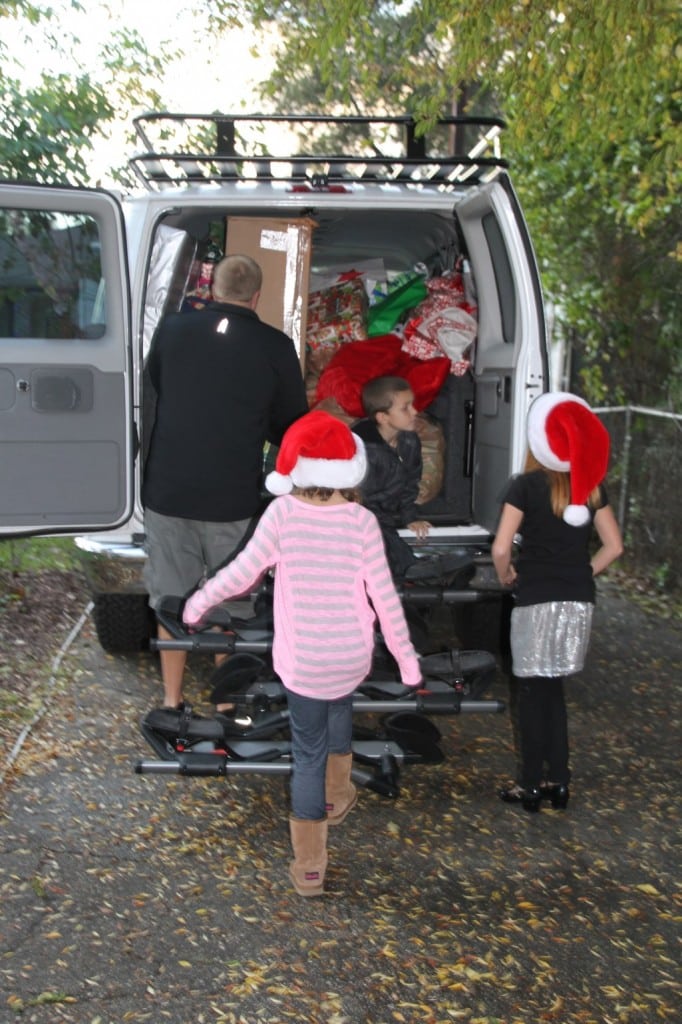
The Watters family delivers Christmas gifts to a Los Angles family with a child who has recurring brain cancer. PHOTO COURTESY THE WATTERS FAMILY
One of the children, Robyn, was 5 when authorities found her mother’s body in a dumpster. Robyn had three siblings, including Danny, who was 7 then and also came to live with the Barders.
Robyn arrived just in time to start kindergarten, so Barder took her and Danny shopping for school clothes, did homework with them and tucked them in at night. But Danny suffered from fetal alcohol syndrome, a condition that caused short-term memory loss and hampered his ability to differentiate right from wrong. After nine months, Britt’s concern for the other children she was caring for forced her to give him up.
Both children were of Canadian Native American descent, and Barder was heartbroken when, almost four years after Robyn first started to call her Mom, lawyers for the Canadian tribes took Barder to court to have Robyn placed in a Canadian Native American home.
The Barders eventually adopted a son, Benjamin, and stopped taking in foster children in 1996 after a car accident left Britt in chronic pain. But she did take in one more child. A woman who worked for David Barder asked if the family would take care of her granddaughter. “The mom was 19 and unable to care for Vanessa,” Barder says. “It was the hardest thing she told me she ever did, but she did it out of love.” The Barders adopted Vanessa, but Barder points out that there are still many children in the foster system who long for a stable home. “Just take one,” she says.
Childhood Inspiration
Kimberly Schwarz’s belief in changing the world through charity began during her childhood days making hospital rounds with her oncologist father. She noticed how good the patients seemed to feel when she’d come to visit.
On a recent Sunday, Schwarz ferried her kids – ages 8, 7, 5 and 3 – from one charity event to another. In the morning, they did the Stop Cancer Walk. That afternoon, they were heading to Skateland for a fundraiser for the Oscar Litwak Foundation. Schwartz believes it’s important for her kids to see they can make a difference in people’s lives. “They don’t really understand cancer or disease, but they know they’re helping,” she says.
Schwarz is also part of Day of Good Deeds, a group of volunteer moms from the Valley Alliance Jewish Federation who plan volunteer opportunities four times a year for families with kids ages 6-12. The committee partners with local charitable organizations such as Netiya, an interfaith group that plants gardens on unused congregational lands and donates the food to families in need.

Jake Dyne was diagnosed with cystic fibrosis at age 1. His mother founded Jake’s Ladder, which raises funds for research. PHOTO COURTESY SHELLE DYNE
Alison Watters learned about the power of giving in third grade, when her best friend died of cancer and she saw the girl’s devastated family become increasingly isolated. “People back off instead of helping, because they feel so uncomfortable,” Watters says. “But that’s the time they need you most. And anything will help. A lasagna, help cleaning the house.” That childhood experience inspired the charity work Watters does today.
Watters partnered with Julie Talbert of the Talbert Family Foundation to “adopt” families in need during the holidays. She says most families are resistant to the idea of becoming charity recipients, proudly waving off help even as some try to find ways to feed their children. Eventually, she convinces them to accept some help for the sake of their kids. That’s when “Santa’s intern elves” sneak in to transform the family’s home into “Extreme Makeover, Christmas Edition,” says Watters.
Three years ago, Nary Sherry’s son was battling leukemia and the family wasn’t planning on celebrating Christmas. “We were putting one foot in front of the other, just trying to get through the day,” she says. Instead, Watters and her family worked their magic, and Sherry’s children woke to a living room filled with presents, gift cards, home-made greeting cards and glitter reindeer “footprints.”
Working For a Cure
When Shelle Dyne’s son was diagnosed at age 14 months with cycstic fibrosis – a genetic disease that causes fluid to build in the lungs and digestive tract – she refused to accept the grim prognosis that Jake’s life would end around age 37.
She founded an organization called Jake’s Ladder, which raises money for research through walks and galas that benefit the Cystic Fibrosis Foundation. It is not uncommon to see families of all ages walking the course to raise awareness and find a cure. To date, they’ve raised $1.7 million, and Dyne says the improved treatments over the years have allowed her son, now 12, to participate in most activities just like any other middle-schooler.
The Friedman family is lending a digital hand. After her diagnosis with dementia in 2005, Fay Eisenberg stopped talking. No one had heard her voice in more than three years when her grandson, Adam Friedman, inspired by an article he read, loaded an iPod with her favorite music and popped headphones onto her head.
About three months later, Eisenberg called Friedman’s mom, sounding like her old self. She reported on the latest goings-on and asked about the well-being of her great-grandkids. The music had brought her back to them.
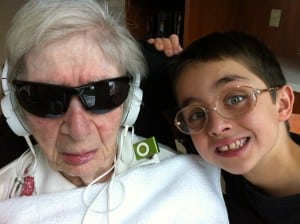
Liam Friedman with his great grandmother, whose dementia symptoms were eased by her favorite music. PHOTO COURTESY KAREN FRIEDMAN
Adam’s wife, Karen, has taken on the mission, now called the Soothing Sounds Project. Flanked by sons Julian, 12, and Liam, 10, she is working to fill as many iPods as possible with music they hope will reach others who have slipped away. Relatives of those living in the dementia units of The Los Angeles Jewish Home and The Motion Picture Television Hospital provide clues to the types of music their loved ones listened to in their youth. To date, the Friedmans have donated about 45 iPods and are constantly asked to provide more.
Change For the Future
All of these parents have seen their efforts create change in the lives of those in need, but also in the lives of their children. Robyn, the girl removed from Britt Barder’s care, is now grown and studying to become a caseworker for Children’s Protective Services.
Schwarz says that helping others is instinctive for her kids. The first thing they say when they realize they have two of something is that they should donate it.
When Julian Friedman travels to Israel this year to have his Bar Mitzvah celebrated, he will bring iPods filled with music to donate to the dementia unit at a facility for the elderly in Jerusalem.
And Watters says that her kids are now more excited about creating magical moments for other families than about opening their own gifts on Christmas morning.
Here’s how you – and your kids – can help:
- Make holiday wishes come true for kids at Casa Pacifica, www.casapacifica.org
- Become a foster parent, www.childsworld.ca.gov
- Adopt a family for the holidays through the Talbert Family Foundation, www.talbertfamilyfoundation.org
- Plan a Day of Good Deeds with the Valley Alliance Jewish Federation by contacting Gisele Goldwater-Feldman at GGoldwater-Feldman@JewishLA.org or 818-668-2331
- Raise funds for cystic fibrosis research with Jake’s Ladder, www.losangeles.cff.org/jakesladder
- Bring music to dementia patients through the Soothing Sounds Project, www.soothingsoundsproject.com
Rina Baraz Nehdar is an L.A. writer and mom of two boys.






 Taking time to recognize and express our gratitude to others for the impact they have had in our lives is good for everyone, especially for families of individuals with special needs. Whether you employ direct service providers, or are a client of one, there are several ways to show your gratitude for their work. These special professionals sit knee-to-knee with children and teach them in circumstances that are sometimes challenging. They help children and their families better navigate the labyrinthine streets of autism.
 Yes, you read that right. Several companies specialize in sending old-fashioned telegrams, and I recommend
 Speaking of cars, the angels in our lives are sometimes stringing dimes together in order to fill their cars with gas. Fuel cards can help them cover their gas costs and show that you appreciate the time – and miles – they put into their work.
 This is another idea that might require advance permission, but can be a really touching gesture. I love sending a letter to a person’s spouse, partner, children or mom and dad to let them know how their loved one is impacting the lives of children with Autism Spectrum Disorder.
 The first comic book specifically written and drawn to appeal to readers with autism, Face Value Comics creates a colorful world of aliens, robots and adventure, all set against the backdrop of a future Earth at war. But beyond its intended audience, Face Value makes history in another way. Its hero, Michael, is a young boy who himself has autism.
 Recently, someone commented that because I’m a psychotherapist who has practiced yoga for more than 20 years, I must float around in a sort of bliss-filled bubble of equanimity and peace.



 As cold and flu season gets underway, parents should also be on the lookout for signs of a sometimes-serious respiratory infection called enterovirus D68. There are 100 strains of enterovirus, and this particular one isn’t new. It was first identified in California in 1962. But Pia Pannaraj, M.D., an infectious disease specialist with Children’s Hospital Los Angeles, says EV-D68, as the strain is known, “seems to have evolved in a way that it’s more easily spread from person to person.”
 Everyone loves popcorn! Be a hero at your child’s next party with this! It takes minutes to make, is easy on the wallet and kids love it. (Actually, we big kids love it, too!)
 Things You Need:
  This birthday DIY is super-cute and super-fast to make. They don’t cost much, and they look, smell and taste great!







 While you might find the sight of your 1-year-old toddling naked through the kitchen adorable, you might feel differently if you’re having a dinner party and your little streaker is 4. And your reaction – including your tone of voice, the words you use, and your body language – are more important than you might think.
 Does your Jack O’Lantern look more sad than scary after just a few days on the front porch? Keep him looking his best for visiting ghosts and goblins with these tips from Thomas Olton, a carver for RISE of the Jack O’Lanterns, coming this month to Descanso Gardens.

 As a parent, one of the most important parts of your relationship with your child is communication and maintaining an open and honest relationship. Our children look to us for guidance and protection. For example, I always like to be the first to break news to my son, especially difficult news. That way I can control the environment and ensure the information provided will be accurate and truthful. This can be a very difficult task, so we should arm ourselves with the tools necessary to do it in the healthiest manner possible for both our little ones and ourselves!
 Parenting comes with many challenges, and you might be faced with this one someday. Following this advice about sharing difficult news will help your children feel supported and understand the impact the news might have on them.
 Spencer Gates, a high school senior, has a condition that makes it difficult for him to walk more than a few steps, but he didn’t let that stop him from running with his passion for helping the community through Boy Scouts.






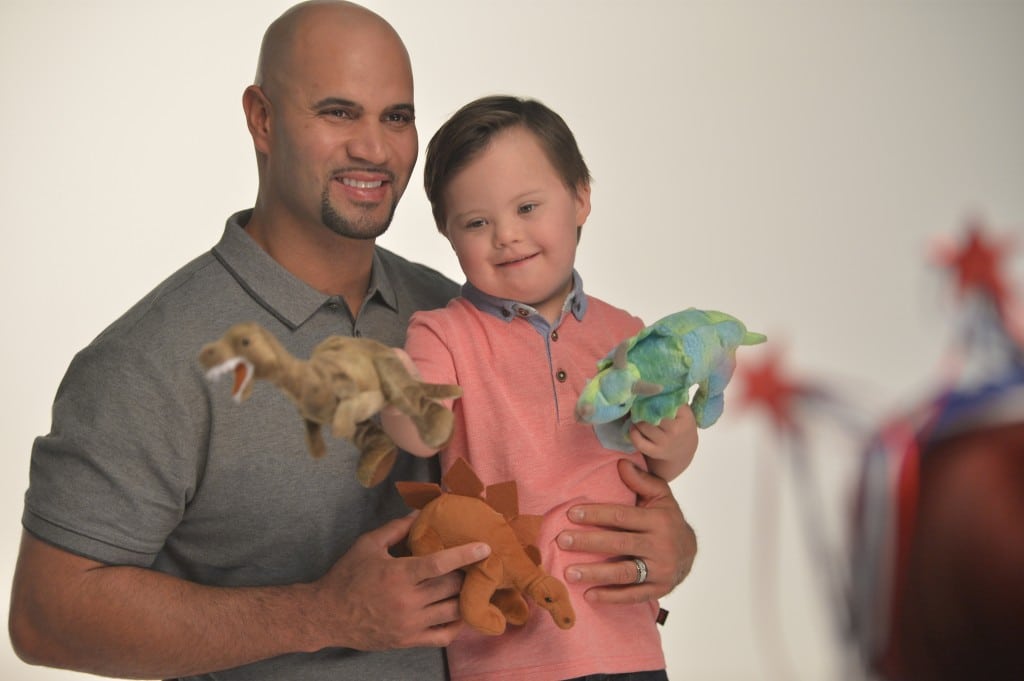
 For Pujols, joining forces with Toys”R”Us for this program was an easy decision.

 As awareness of Autism Spectrum Disorder has increased, there has also been a rise in the number of cases of the disorder. In 2000, it was estimated that approximately one in 150 children met criteria for autism, but that number has increased to one in 68. Some experts now question whether this means more children actually have autism, or whether the increase might be due to expansion of the definition of autism or due to increased awareness of the disorder.
 This isn’t meant to be a hard-and-fast rule. I’m sure some families will feel comfortable with a particular clinic and want to stay with them, but my recommendation would always be to let them know up-front that you would be exploring treatment elsewhere and just need an independent diagnosis.
 Parents and caregivers most often leave children in hot cars due to a change in routine or a quick errand that turns out to be longer than anticipated. Because of all the publicity and increase in children being left in sweltering cars, I was inspired to write this article. To learn more, I reached out to Helen Arbogast, MPH, CHES, manager of the
 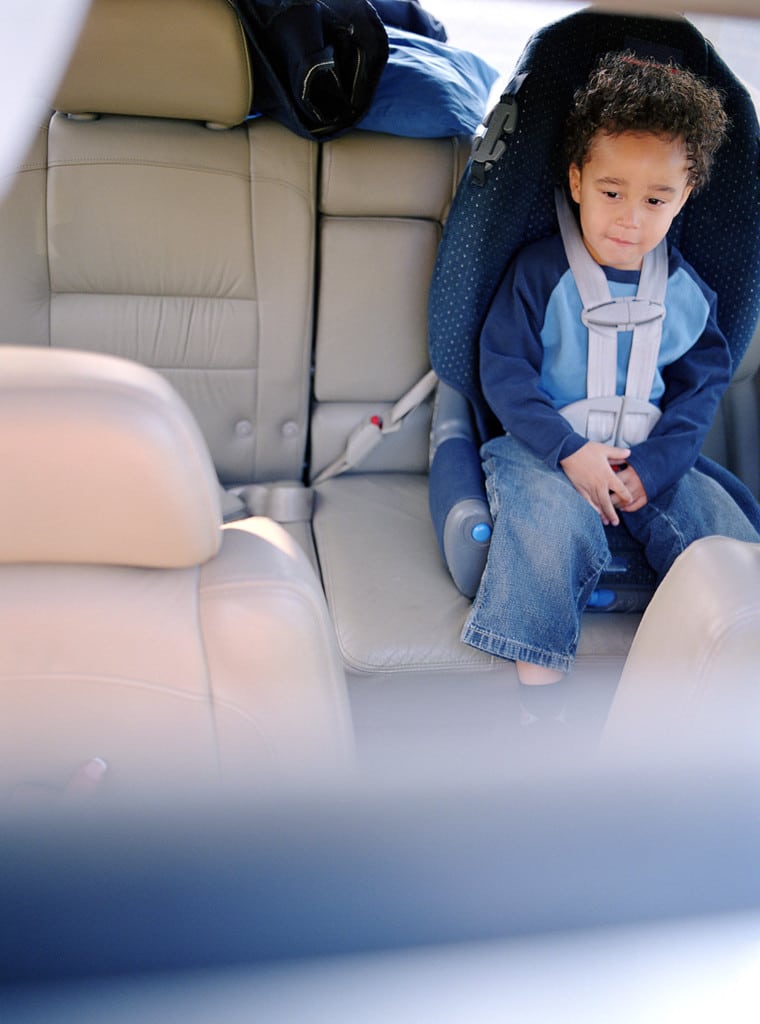 Signs Of Overheating
 The Westside Jewish Community Center is offering a unique new program for first-time parents. Jewish Baby University is a five-week program combining childbirth education with an exploration of Jewish tradition and rituals, concluding with a family Shabbat dinner. Each session features classes on a different topic, such as medical aspects of pregnancy and childbirth, Jewish traditions and rituals surrounding childbirth, creating a Jewish home, Jewish life in Los Angeles, family financial planning and preparing mentally and emotionally for a child.
 Benjamin King has been acting for 20 years and now stars on Disney Channel’s Liv and Maddie. Getting to this point has not been so easy, though.
 Years before research on the auditory, visual, and tactile learning styles was conducted and presented to the world at large, my mother, a 38-year veteran of the Los Angeles Unified School District, kept a dizzying array of tubs of things to count – such as beans, coins, and colored unifix cubes. She was always teaching the class a song or poem, and it seems as if they created a journal or picture book for every holiday or special occasion.
 As you move through the beginning of the school year, take time to observe and interact with your children so that you have a greater awareness of how to assist them in deepening their learning. Each child’s learning style is unique, and a combination of methods often works best. And remember, don’t overwhelm yourself trying too many new approaches at once. Start with a simple routine of flashcards every night for 10 minutes or learning a math poem together, and build up your routine from there. Small-but-consistent steps can make a huge difference in supporting your child’s learning style, and thereby helping them have a successful school year.
 CHLA Occupational Therapist Janae Grimshaw and other experts confirm the importance of tummy time. New parents can start tummy time as soon as their baby is born, in a skin-to-skin or kangaroo-care position. Kangaroo care is when the baby is held in direct contact to the skin on the chest of Mom or Dad. The kangaroo-care position:
 Homeboy Industries, the gang intervention, rehabilitation and re-entry program hosts its fifth annual 5K run/walk and community event Oct. 18 in Downtown L.A. The event, called “Every Angeleno Counts,” raises funds for Homeboy programs that help formerly gang-affiliated and previously incarcerated men and women transform their lives.













 All relationships in life require work and effort, but building and maintaining a strong relationship with your child will most likely be one of the hardest challenges you’ll encounter. It’s not just about building a better relationship, it’s about building a connection — a genuine connection filled with respect, communication, love and hope. Here are five habits that can help you build and maintain a strong connection with your children.
 Do your children lose notebooks, books, sweatshirts, cell phones or school handouts? Do they forget books at school that they need for homework, or forget to turn in homework assignments even though they have completed them? Are there piles of paper stuffed in the pockets of their notebooks? Are you shocked when you see their school lockers with crumpled papers in disarray? Do your children wait until the last minute to start on projects? Have they told you the night before that they are supposed to bring something – such as a book, costume or food item – to school the next day?


 Did you wash your hands?
 Supplies? Ready! Suited up? Check! 3-2-1 Blast off! It’s time to explore “Planet Kindergarten” (Chronicle Books, ages 3-5). Using space travel, L.A. author Sue Ganz-Schmitt has created a clever picture book to prepare children for the unknown in a relatable and reassuring way. The steps needed to safely navigate new territory are humorously illustrated award-winning local animator Shane Prigmore.



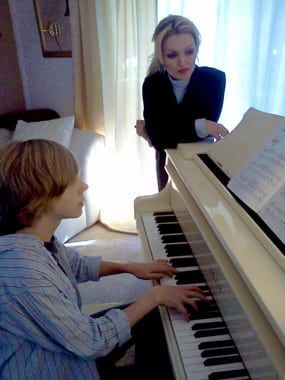
 Music may be my profession, but I play instruments for the pure joy that it has given me in life, allowing me to open up my mind in many ways and truly gain a sense of peace. There’s a certain simplistic beauty in it, even when playing a complicated instrument, that I have yet to discover anywhere else.
 For children with Autism Spectrum Disorder and their families, returning to school after a string of relaxed summer days can be stressful, intensifying repetitious verbal and motor behavior on the part of the child. This stress can be reduced or even prevented – for child and parents alike – with the following 10 transitional tips.
 Michael J. Cameron, Ph.D., BCBA-D, is a Board Certified Behavior Analyst (Charter Certificant 1-00-0010), Chief Clinical Officer for Pacific Child and Family Associates (PCFA) and experienced in behavioral medicine, behavioral health assessment, intervention for diverse populations and higher education. Prior to joining PCFA, Dr. Cameron was a tenured associate professor and the founding chair of the Department of Behavior Analysis at Simmons College. For more information, please visit



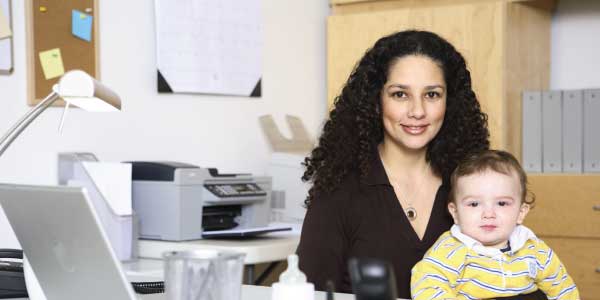 Everyone is focused on back-to-school at the moment, but it’s also National Breastfeeding Month! New moms headed back to work might wonder how they are going to make breastfeeding and their jobs work together. Here are some simple tips to make breastfeeding and your transition back to work a little easier!



 My nephew recently came up to me and said, “I have a boogie,” as he held out his finger and waved a ball of freshly plucked mucous in front of me. Gross. I immediately remedied this situation by handing him a tissue and sending him to the restroom to wash his hands. Nose picking is a common habit among kids. In preparation for writing this article, I had the pleasure of speaking with Jeffrey Koempel, M.D., chief of pediatric otolaryngology at Children’s Hospital Los Angeles, about this problem and some ways to help get your child to stop picking their nose.
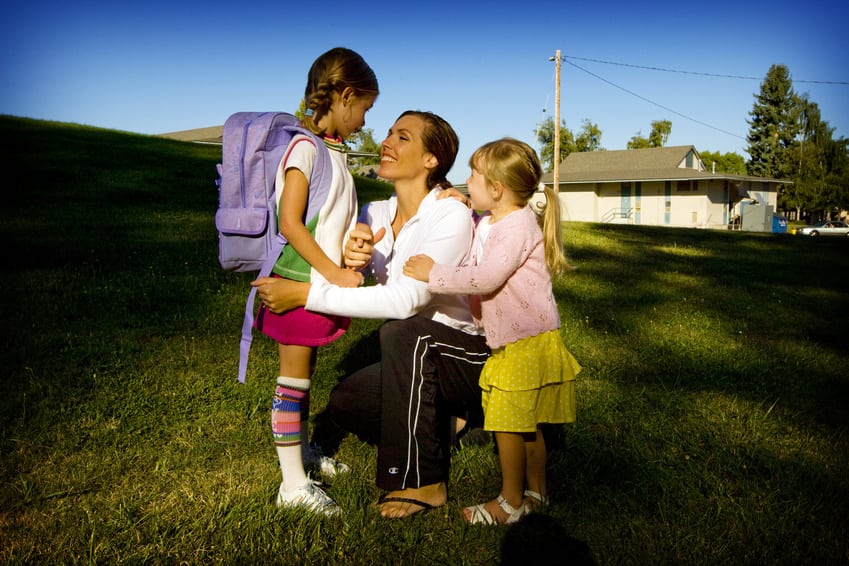 Regardless of whether you are a parent, a teacher, or a student, August marks the turn of the tides when school supplies, planners, and new-school-year jitters take center stage. It is an exciting time for some, and a dreadful time for others. Each parent, child and teacher is unique and has his or her own feelings about school starting, and that is perfectly natural and normal. Here are some key tips and tricks to help get the school year off to as positive a start as possible.
 If you’re a parent:
 Always leave the door open—literally and figuratively. Be physically and emotionally available to help students address academic and/or social issues. The teacher might be the only person in the child’s life who he can speak to about a problem at home, and the parent might be the only person the child can share with in terms of problems with kids or the teacher at school. Students who know they have a strong support system tend to have a more positive school experience.



 The 2014 West Nile virus season is underway in L.A. County, with the Department of Public Health confirming the first human cases of WNV infection last week. A San Fernando Valley woman in her 60s was hospitalized and is recovering. A man in his 20s who donated blood in late July was found to be infected, but has no symptoms and remains healthy.
 Believe it or not, summer might be the perfect time to give your picky toddler a nutritional makeover. At least, that’s what Scott Cohen thinks.



 Plan a grown-up getaway where you can explore wines from around the world in a gorgeous Rancho Palos Verdes setting. Terranea Resort’s inaugural Celebration of Food and Wine, Aug. 10, will feature seminars and wine tastings led by renowned winemakers and experts, along with bites from Terranea chefs, a wine paired luncheon and an evening reception and dinner.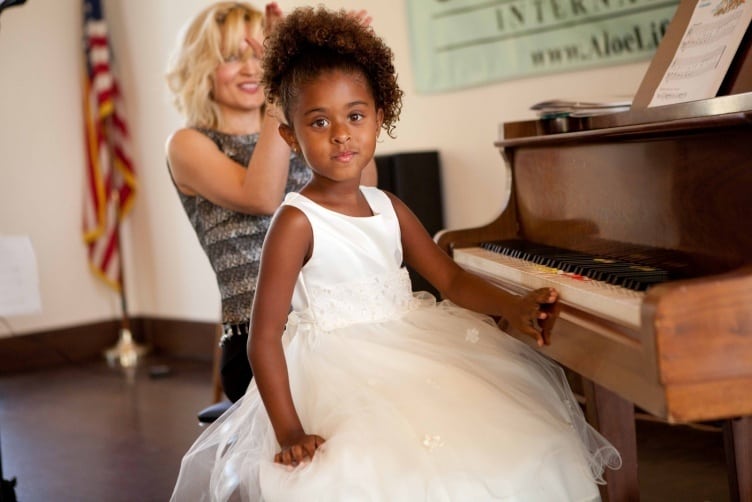



 In a place as diverse as L.A., it shouldn’t be surprising that you can find a posse of kids on horseback in Compton. But the members of Compton Jr. Posse aren’t just out for a joy ride. The organization, the brainchild of Mayisha Akbar, helps keep kids off the street, away from gangs and in school. As a side benefit, the kids connect with the animals, and each other, and have a good time in the process. Compton Jr. Posse offers a wide range of programs, including after-school activities, summer camp and an equestrian team (with Olympic aspirations).

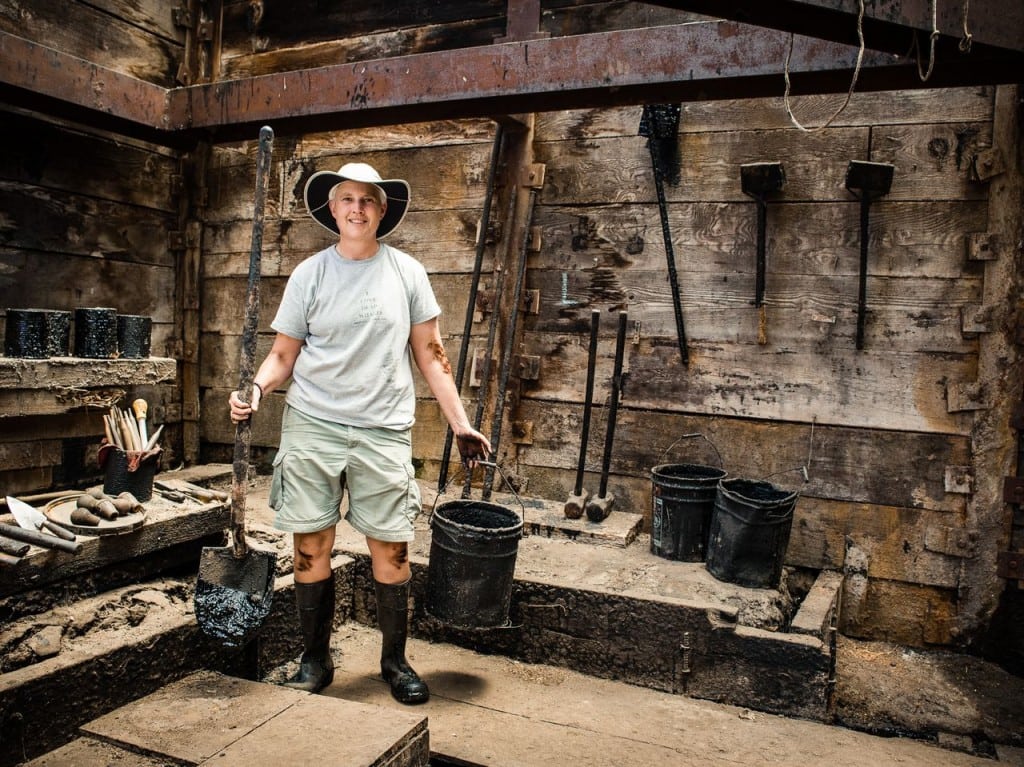
 Taking your children out on an excursion where everyone has fun can feel like a major accomplishment for any parent. If you have a child with autism spectrum disorder, a successful outing might be even more of a challenge, but just as much of a necessity. Regardless of a child’s level of ability, participating in community outings is a skill that will ultimately enhance her or his quality of life. The following is a list of strategies that can empower you to tackle any outing:
 Actress Nicole Kidman, NBA superstar Shaquille O’Neal and Vice President Joe Biden all overcame stuttering and had successful – and high profile – careers. As the new school year commences, are you wondering how your child will manage?



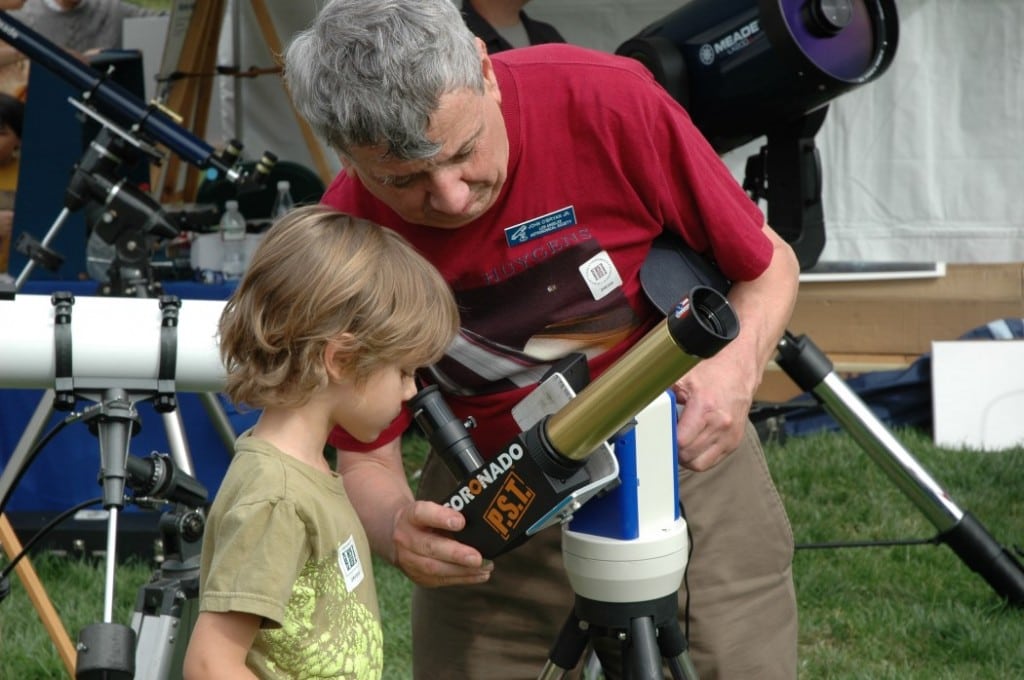



 It is easy to spend another two hours at the Fowler, so be sure to have snacks on hand. The courtyard has a nice little fountain to sit by. We enticed our son to leave the Fowler by suggesting we have a snack on the way back to the car. Any shady spot on the UCLA campus is full of people watching and interesting activity. We sat down as we walked back towards the MEMBG. Once again, the north side of the garden is close to the Fowler. If you park on the South side, that is easily an additional 10-minute walk, which is no fun after an all day outing.

 “Families homeschool for so many different reasons, but in California, I believe the single most popular reason is dissatisfaction with schools,” says Pam Tellew, assistant coordinator of the Adventures in Homeschooling Conference, a statewide gathering of homeschoolers and their families taking place July 31-Aug. 1 in Santa Clara.
 Homeschooling and Flexibility
 One of these is Halstrom Academy, a private middle and high school with 10 campuses in California, as well as an online school. Halstrom takes a personalized approach to teaching, emphasizing one-on-one interaction between teachers and students and allowing classes to be customized to the needs and strengths of the student.
 Students who might not have access to one of these campuses can explore an online-only option such as iQ Academy Los Angeles, a public charter school that teaches all grades from kindergarten through high school. The academy, which is accredited by Rowland Unified School District, uses the mastery model of many alternative schools, combining online classes with printed materials to create an individualized experience that caters to the needs and strengths of students.



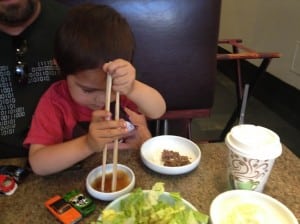




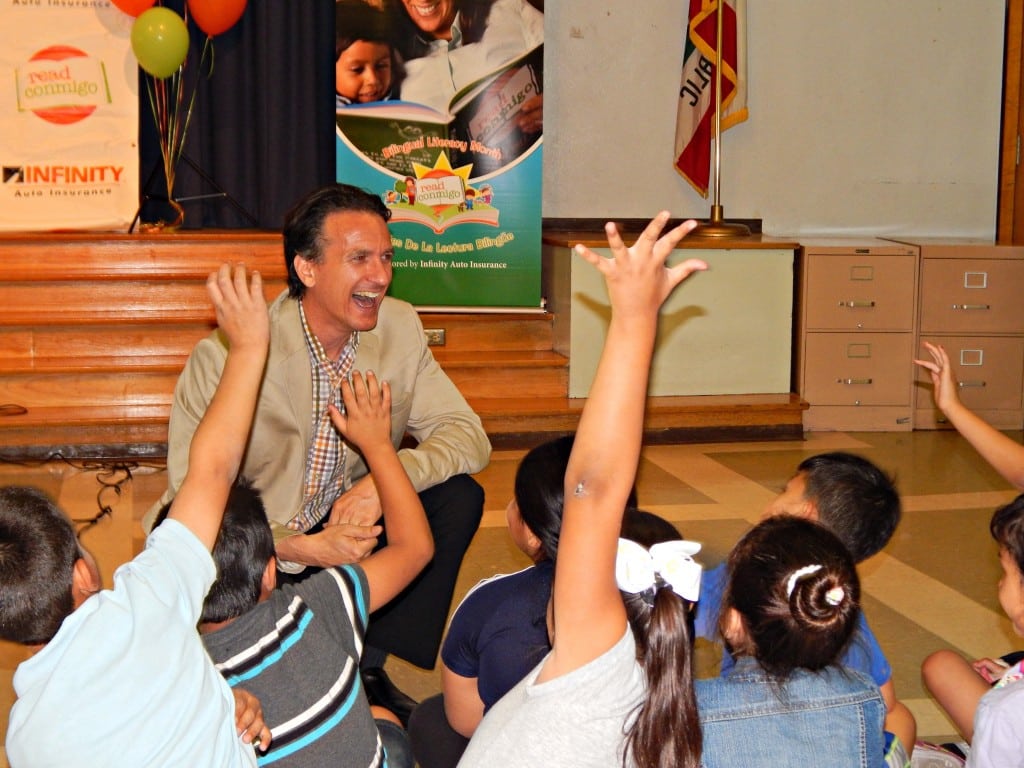
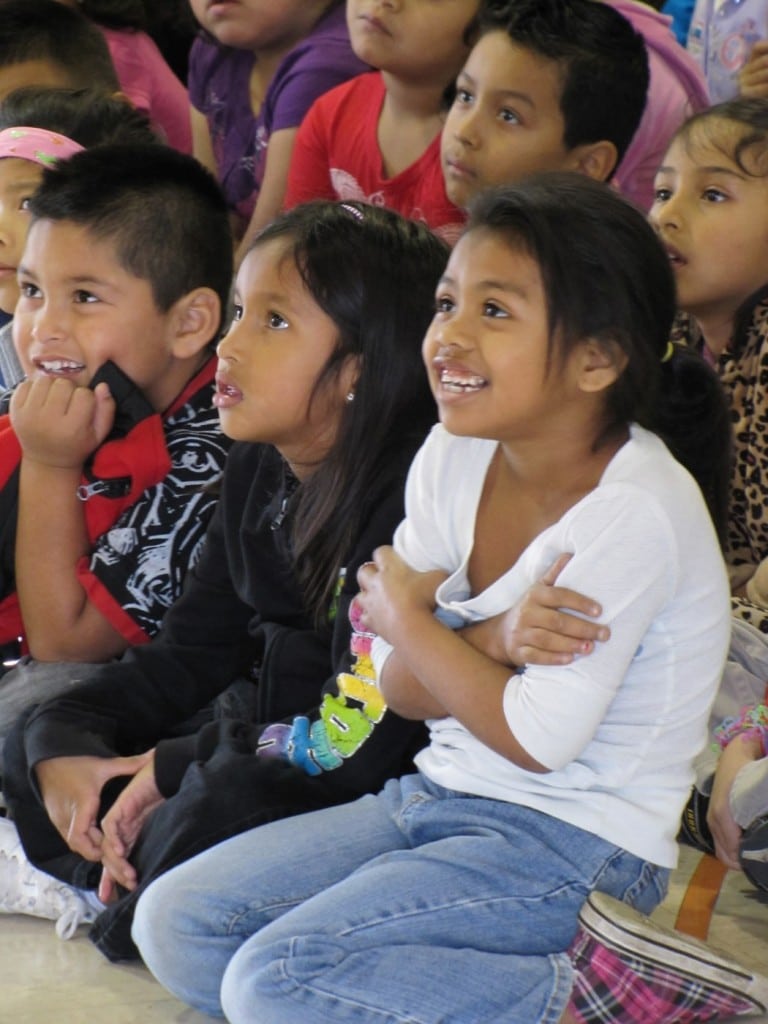 Start with family and friends. “Just tell your kids about the people that you know and love and the places that you know and love,” says Sacre, whose Cuban-Irish upbringing is featured in many of his tales. “You’re half-way to a story when you have characters and a place.” Don’t think your kids will be interested in your family history? You might be surprised! “We have to get over ourselves,” Sacre says. “It is amazing what we have experienced.”
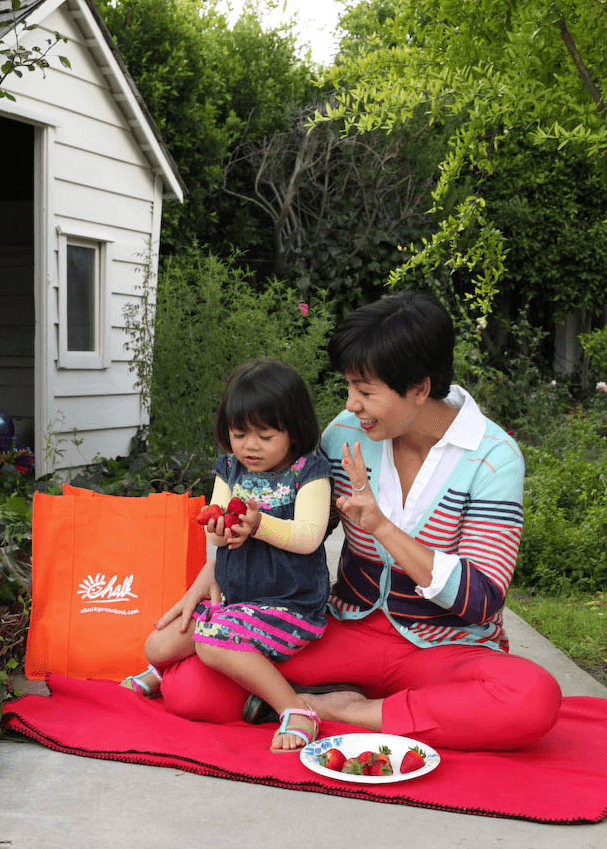
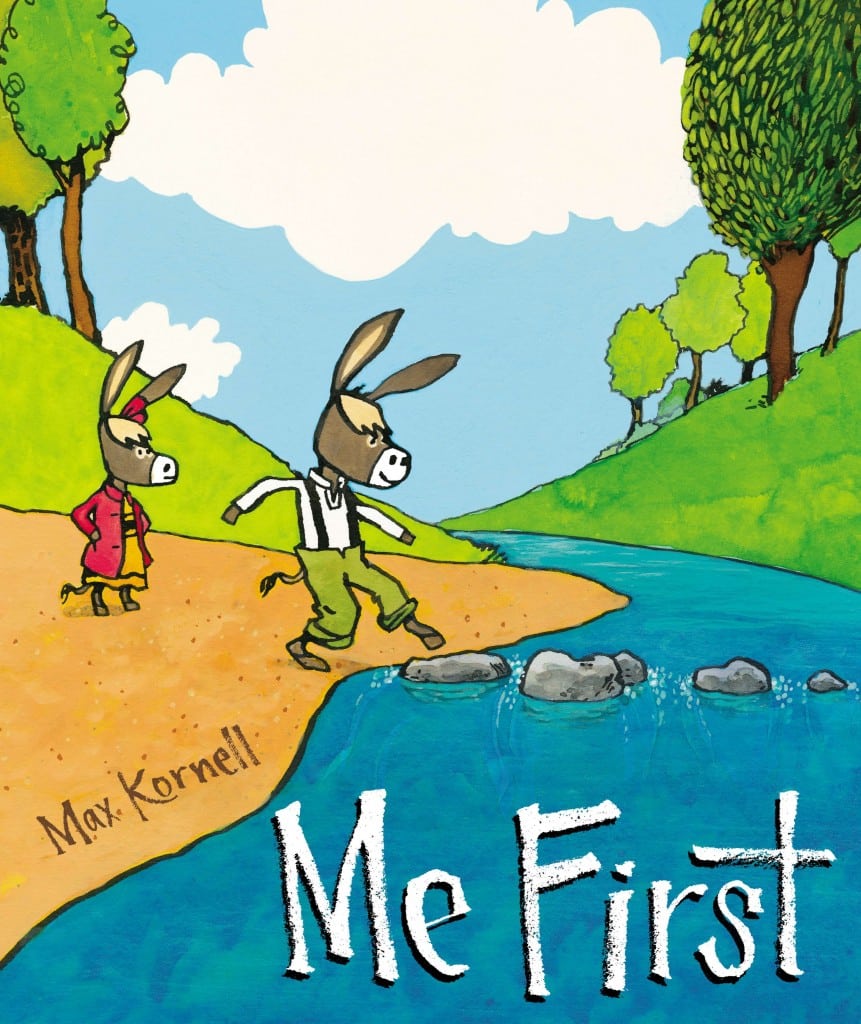 As the father of four, L.A. author and illustrator Max Kornell is no stranger to the sounds of sibling rivalry. “Me First” (Nancy Paulsen Books, ages 5-8), his latest picture book, explores this common family dynamic courtesy of two young donkeys, Hal and his younger sister Martha.
 Oh, summer. A more relaxed routine, bright sunshine and time that isn’t so planned.

 Potty training doesn’t always go smoothly, but what if it never quite happens? What if your child is 6 or 7 and still can’t make it through the day clean? It’s a frustrating situation for the parent, sure. But it’s devastating for the child.
 Did you know that peanut allergy is the third
  Skin reactions (atopic dermatitis – also known as eczema, or hives)