
































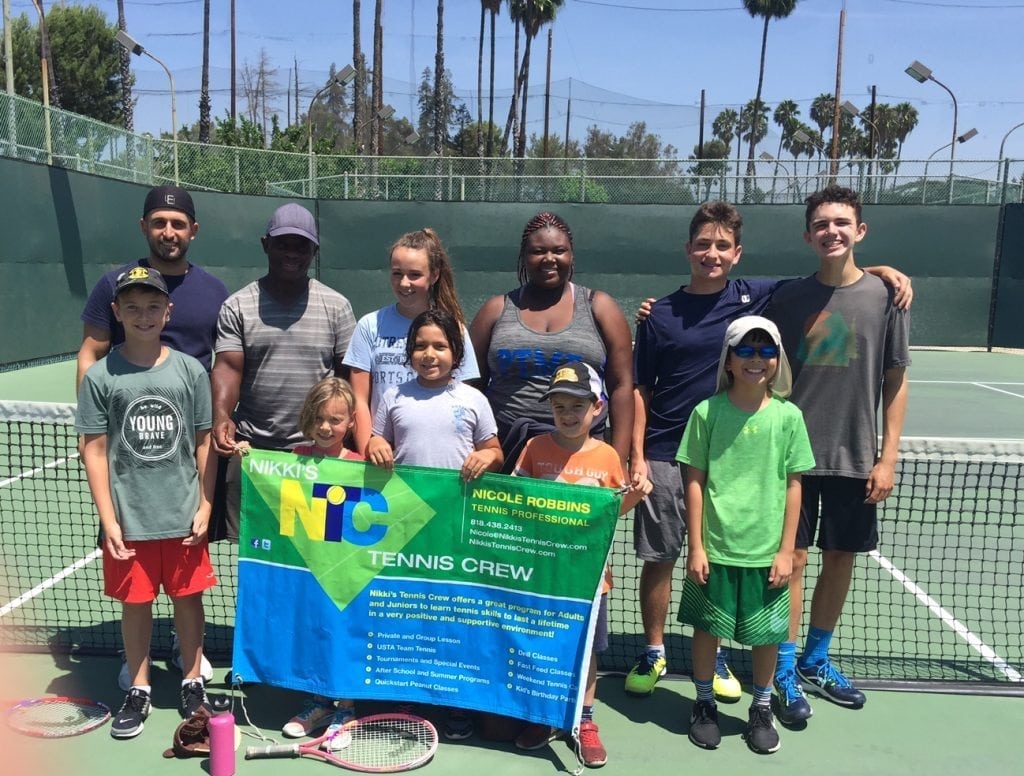
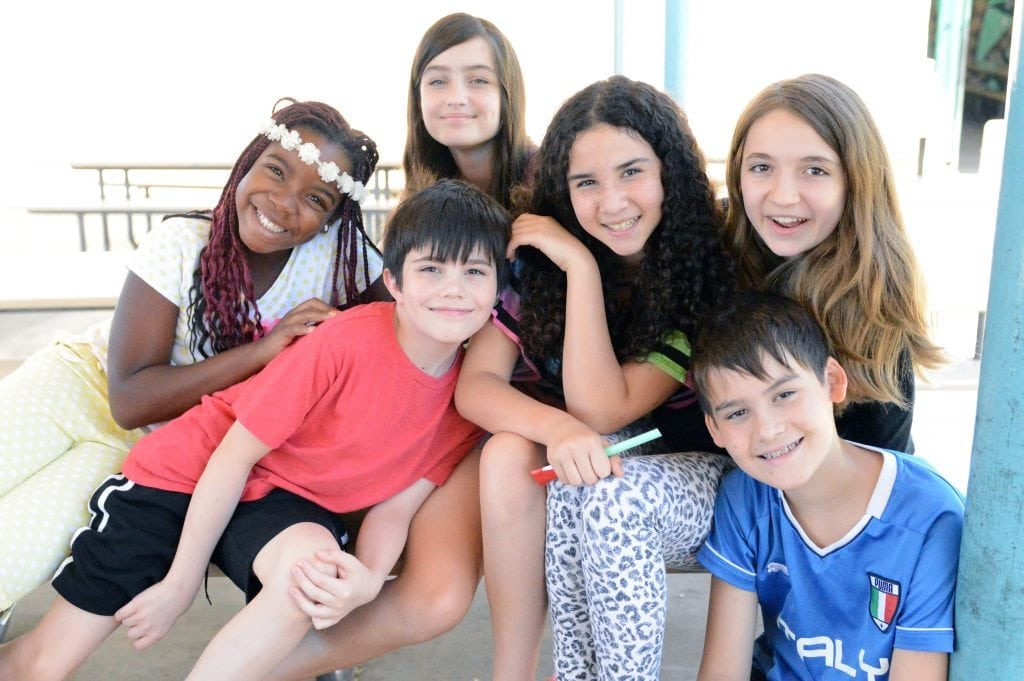
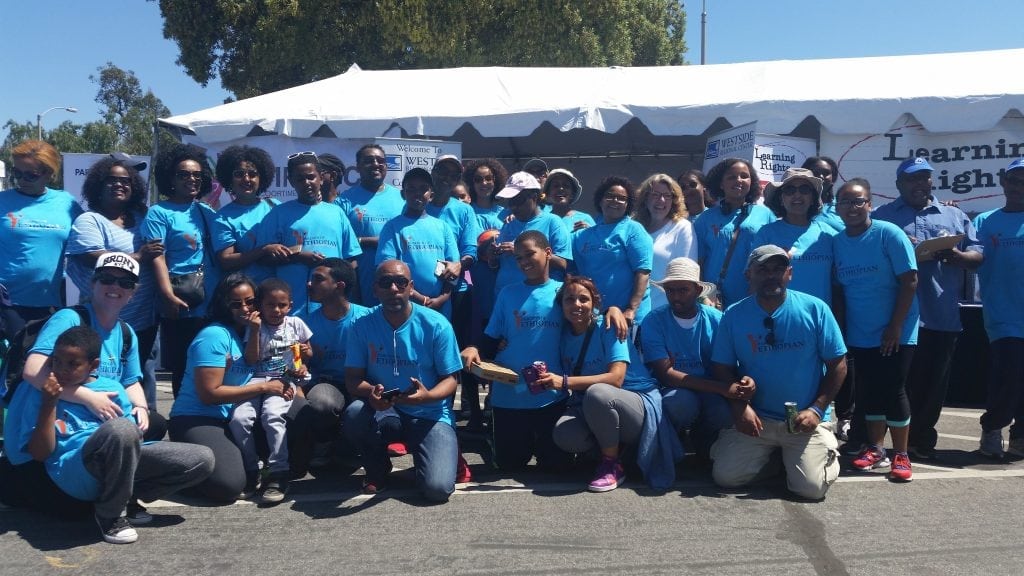
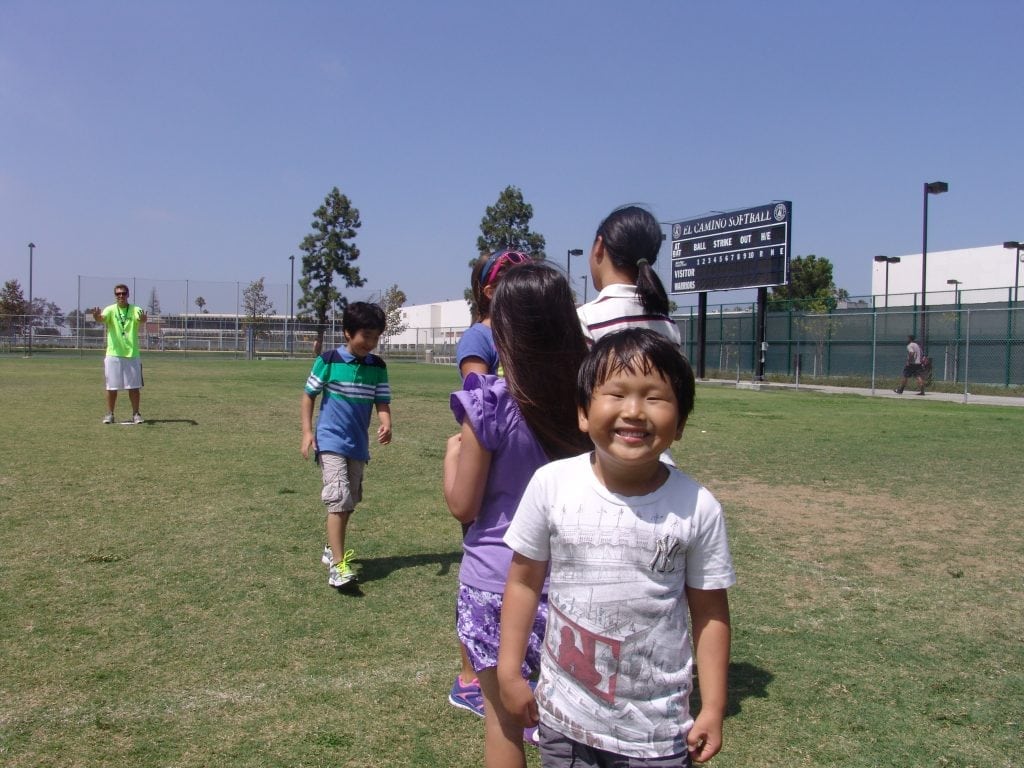
Ryane Nicole Granados, third from left, expresses her joy at being among her village of friends.
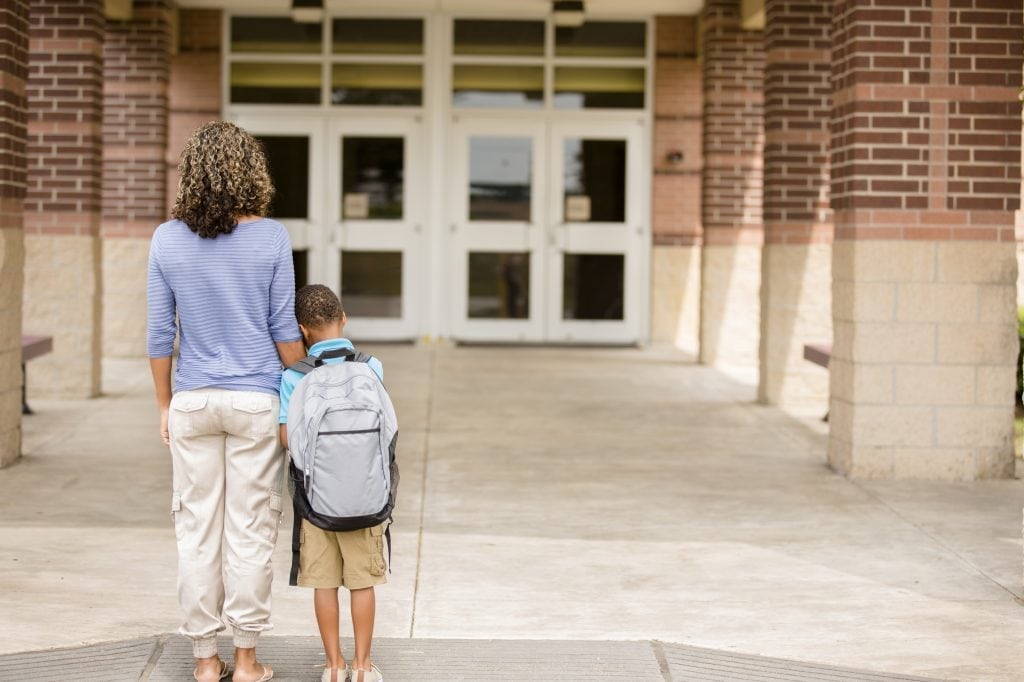
My need for a parenting village became clear when I found myself sitting in my son’s school valet line belting out the lyrics to Barbara Streisand’s “People.” The chorus of horns behind me was drowned out by my off-key karaoke: “People who need people are the luckiest people in the world!” I was sleep deprived, coming off a slew of stressful doctor appointments for my middle son, and I had decided it was best that I pick up in valet since I had worn the same shirt for three days in a row.
It was during this frenzied moment that the first of many friends I didn’t exactly know I needed knocked on my car window. “Jeez! Look at you! Where have you been?” she asked.
I had taken a sabbatical from college teaching with the goal of carrying out research for my campus, completing my novel and ushering my son into third grade while managing the nuanced details of his rare medical diagnosis. Seeing that my sabbatical was only a semester long, I was clearly delusional in my expectations of what can be done in 16 weeks.
I had barely cracked my car window, but this unwavering mom friend was relentless in her expressions of concern and care. She stuck her hand through the narrow slit of the open window and wiped a crumb off the corner of my mouth. (I had been eating a bag of chips found in the backseat of the car.) At the sensation of her touch I started to cry. We spent the rest of the afternoon at a park near the school, catching up, letting the kids play. I knew dinner would be late, homework prolonged and my weary mom spirit renewed.
This aforementioned mom is one of the five friendship varieties that comprise what I believe is a vital village for helping parents thrive. It’s been suggested it takes a village to raise a child, but I would argue the village is far more valuable when designed with parents in mind. The five types of friends needed for an inclusive village are:
- The Warrior Friend. This friend is always ready for battle. She is armed with quick wit and fierce loyalty, and won’t let you succumb to defeat. If you have an IEP meeting, she will volunteer to show up with you. If you lose yourself to the soundtrack of “Funny Girl” in the school carpool line, she will wipe crumbs off your face and remind you of the outstanding parental force you truly are.
- The Let-Loose Friend. There will be no pity party with this friend, but there will be a party. She will orchestrate milestone celebrations or, more importantly, “just because” celebrations. Making it to Friday is worthy of wine or pizza or play dates – all in a judgment-free zone. With the Let-Loose Friend you can breathe and crash and belly laugh. You can put some of your worries on a shelf. This friend’s car is likely as messy as yours.
- The Rally-the-Troops Friend. Also known as The Group Texter, she is the one who will keep the village in sync. Like a choir director making certain the voices all sing the same tune, The Rally-the-Troops friend has a knack for garnering the group support needed during good times and bad. This friend understands that attitude is as contagious as a common cold. For this reason, she endeavors to spread positive thinking throughout the village. When she kicks off a group text, you will eventually sign off feeling grateful and empowered by the village dynamics cheering you on.
- The Savvy Friend. This friend is connected and seems to know a little something about everything. She is the first to inform you of new interventions, up-to-date research or inclusive activities for the kids. She is also an astute researcher. Whatever she doesn’t know, she’ll find out in the time it takes you to navigate evening traffic.
- The Ally. This is a friend who may or may not have kids of her own, may or may not be involved in an inclusive community and may or may not have known you before you changed your identity from person to parent. She has an allegiance to you separate from your children; therefore, she sees you as an entity with your own needs and your own dreams. She loves your children unconditionally, but there is no obligation for you to talk to her about the trials and triumphs of parenthood. When she asks, “How are you?” she truly means you. However, she is equally eager to know how she can lend support through your unique parenting journey.
This village serves as an anchor symbolizing hope and reliability, and on that day outside my son’s school, I was in desperate need of an anchor. For far too long, my husband and I had managed to isolate ourselves in the day-to-day voyage of parenting. This could happen to any parent, but forging a village can become even harder when raising a child requiring distinct care.
Lately, I’ve started saying “Yes” more. I opened my window, and then my door, to invites, support groups and social events. I’ve been telling people what I truly need. In a humbling and liberating feat, I asked for help and I accepted it. I even did the unthinkable and began answering my phone instead of letting all calls go to voicemail. And since a village is built on the spirit of reciprocity, I have discovered some elements of The Warrior Friend, The Rally-the-Troops Friend and the Savvy Friend in me. I have become the one willing to show up at someone’s IEP, because the tide can pull us all under if we don’t have steadfast friends acting as lifeguards.
Ryane Nicole Granados is a L.A. native who earned her MFA in Creative Writing from Antioch University, Los Angeles. Her work has been featured in publications and live shows including The Manifest-Station, Mutha Magazine, Expressing Motherhood, The Nervous Breakdown and Scary Mommy. This wife, writer, professor and devoted mom laughs loud and hard, even in the most difficult of circumstances. As a result, she hopes her writing will inspire, challenge, amuse and motivate thinking that cultivates positive change. When not managing her house full of sons, she can be found working on her novel, grading student essays or binge watching reality TV shows while eating her children’s leftover Halloween candy.


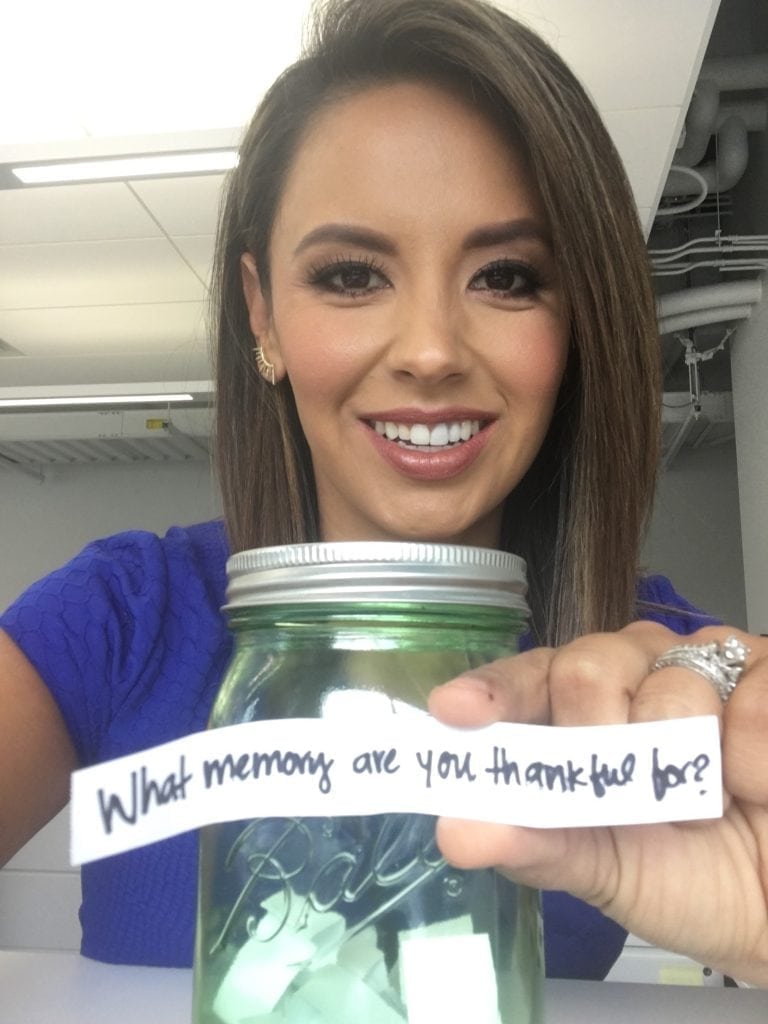 As much as I remind my young daughters to show gratitude by saying “thank you” and other niceties, I often wonder if I’m expecting too much of them. Is it unreasonable to want my 2-year-old and 6-year-old to see beyond the immediacy of their own wants and needs and remember to extend graciousness to others? Perhaps, but I keep at it anyway.
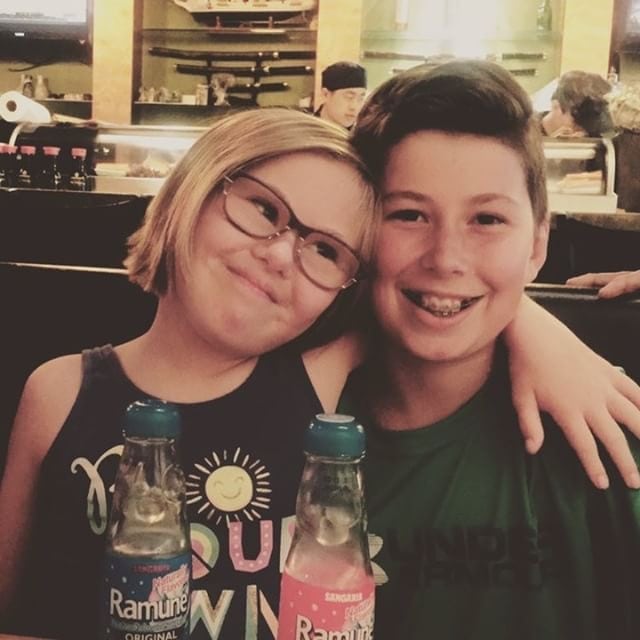
 The first time I went camping with my husband, I told him I had a big tent that would comfortably fit us and his 6-year-old son. He laughed and still laughs at the memory of us squeezing into a tent that barely covered our two-and-a-half bodies without an inch to spare. Apparently, it was large enough for one person only. After my sons were born, we switched to RV camping but I still longed to give my kids that outdoor, fresh night air experience.
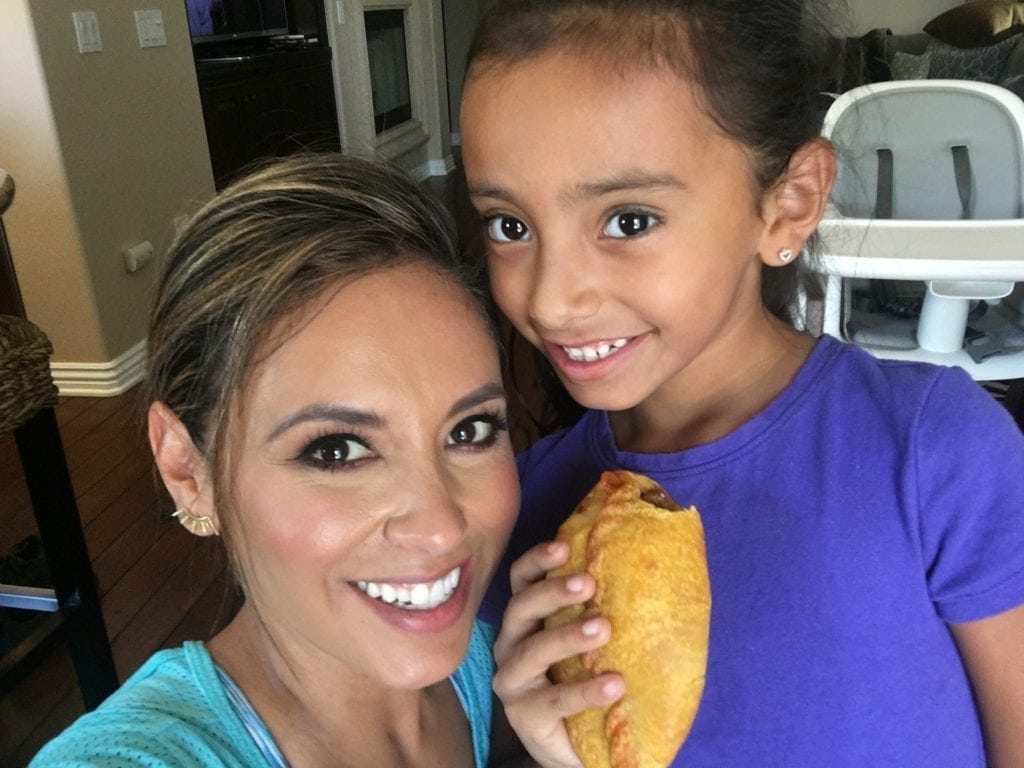 Growing up, I remember people asking me if I considered myself more Hispanic or more American. I thought it was an odd question, because I didn’t think I had to choose between the two. My parents are from Bolivia and my brother and I were born and raised in Texas. It was hard to explain back then, but I felt I was American and at the same time truly loved and appreciated the Bolivian culture. My parents taught me to cherish the culture by sharing pictures, music, traditions and food, and by taking us on trips to visit family there. I really felt I was a combination of American and Bolivian. My husband is from Mexico, and it’s much easier, especially in L.A., to expose our daughters to Mexican culture.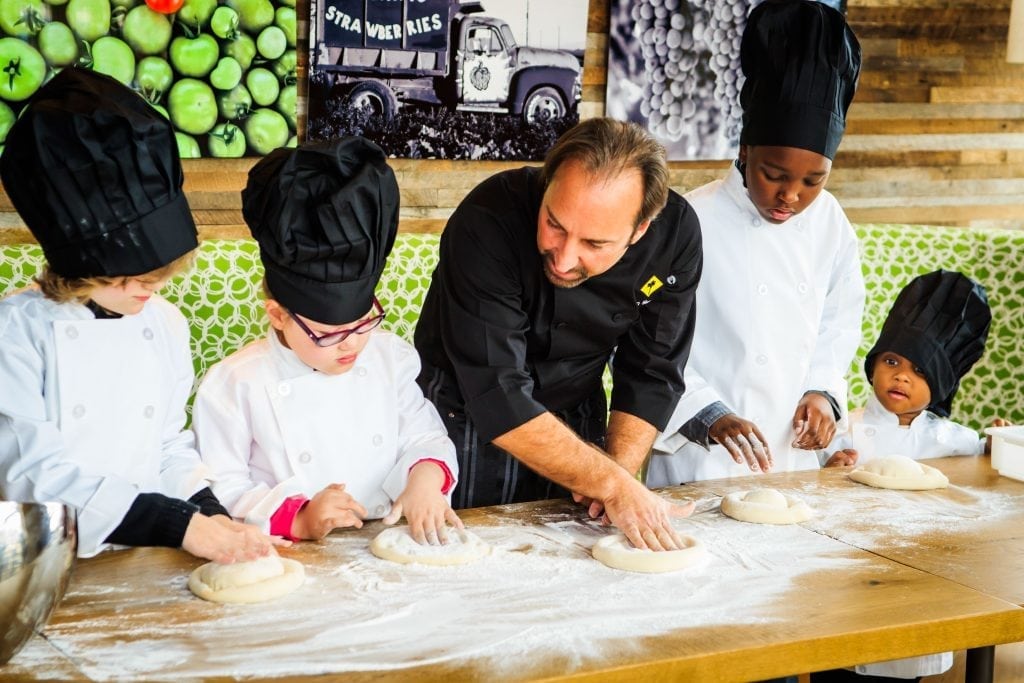
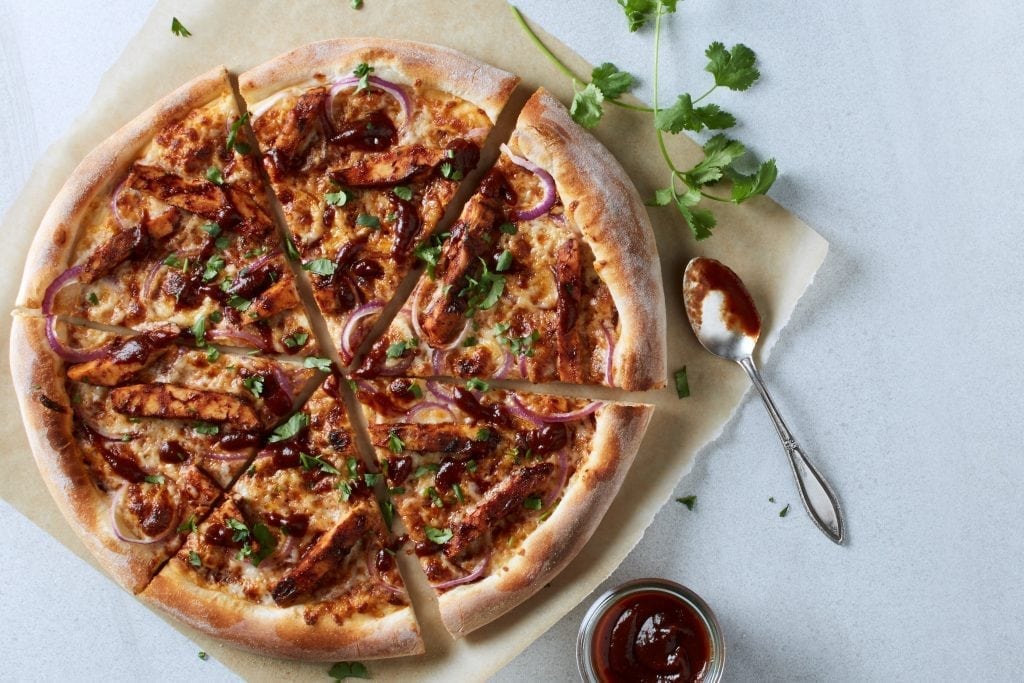 CPK Hand-Tossed Pizza Dough
 As our nation mourns and reacts to another mass shooting, we at OUR HOUSE Grief Support Center are struck by the ways in which this event evokes similar feelings that arose in response to other recent traumatic events. Whether it was in the aftermath of a shooting that took place at a school, congregation, work place, vigil or nightclub, adults struggle to find the words to comfort and support their children. At a loss for the “right” words or fearing a strong reaction, adults may avoid the topic altogether. Far too often, children are left alone, struggling to understand why bad and scary things happen and searching for ways to cope. The following are some suggested ways to approach the subject, address feelings, and provide a sense of safety and containment for children:
 Cold and flu season is upon us. Margaret Khoury, M.D., pediatric infectious disease specialist and the regional lead of the Kaiser Permanente Southern California Flu Vaccination Program, says we never know how long or severe the season will be, but that Australia – which has its flu season during our summer – has reported an early start to the season and twice as many cases of flu as they had last year. “We are really very worried that this is going to be a tough winter for all of us,” she says.
 Bringing home Baby is one of the most joyful yet daunting times in one’s life. The idea that you are now actually in charge of a human life can be overwhelming, but if you just remember the colors in the rainbow, you can be well on your way to spotting any serious health problems. Before my families are discharged from the hospital after the birth of a child, I like to review this quick and effective tool.
 White: If a baby’s stool is white or “clay-like” in color, this can signify a problem with Baby’s liver. A healthy infant’s stool will start out thick and black in color and is called meconium. It will then transition to a green color, and ultimately will be a yellow similar to mustard. If you notice pale poops, this should prompt a trip to your pediatrician.






 Our current crop of teens and tweens might not remember the Los Angeles riots that followed the Rodney King verdict in 1992. Likewise, parents may not recall the Watts Riots, a monumental moment in L.A. history that took place 52 years ago this August.
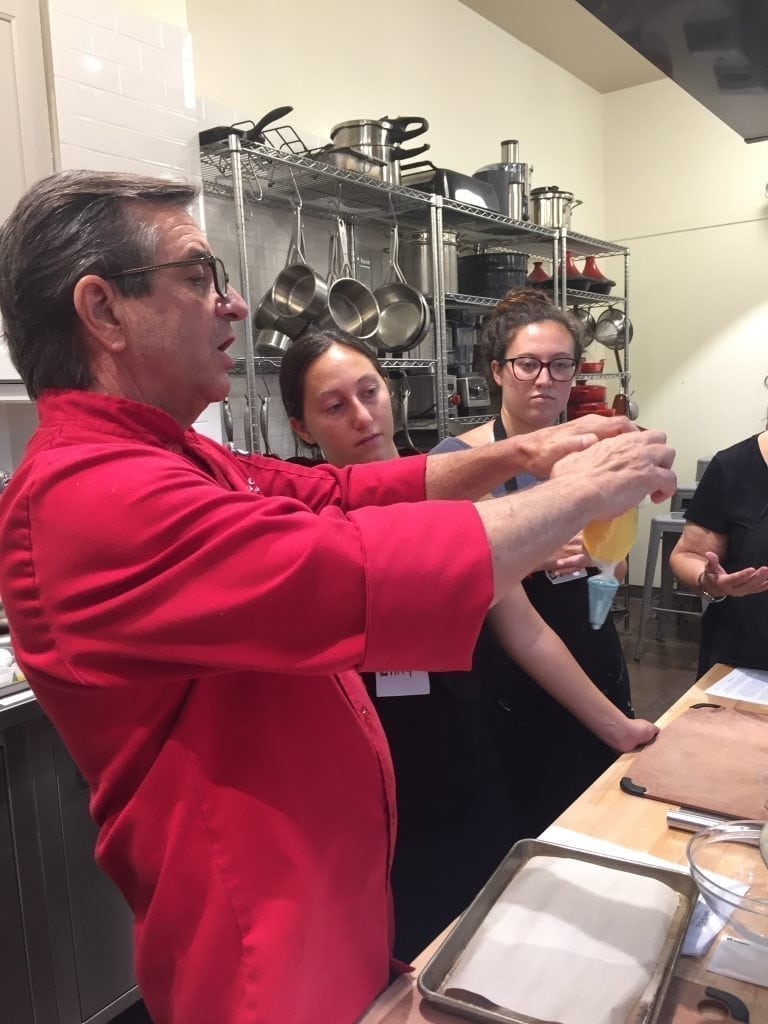
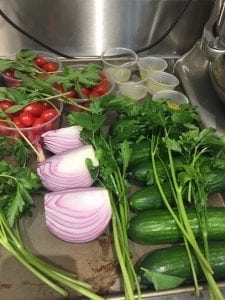
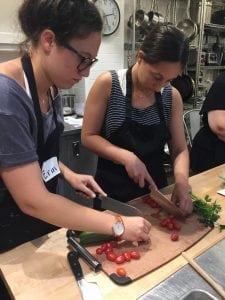
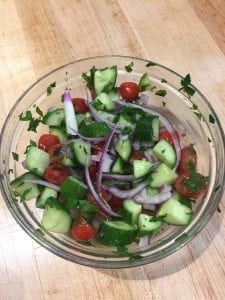
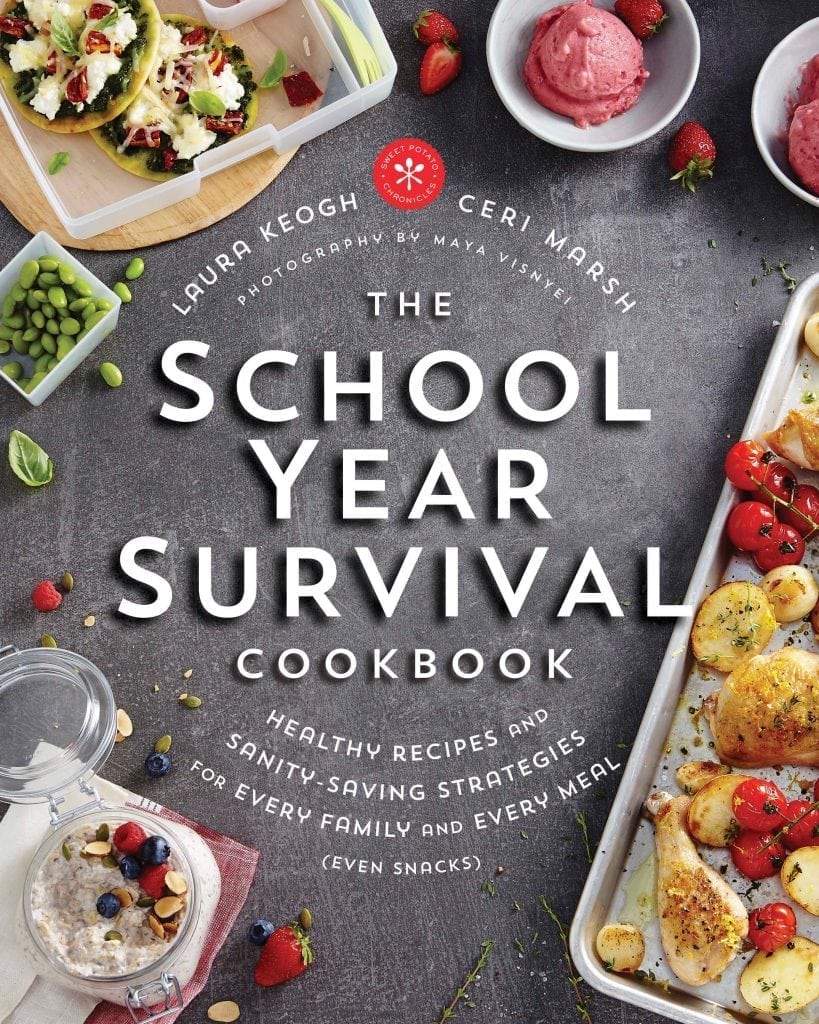 After a long day of rushing the kids to school, working, running errands and after-school activities, the last thing anyone wants to think about is where to find family recipes. Let Laura Keogh and Ceri Marsh serve as your fearless leaders in this quest for survival and sustenance. Together, they developed “The School Year Survival Cookbook,” which features 110 time-saving and kid-friendly recipes for cooking when there just aren’t enough hours in the day.

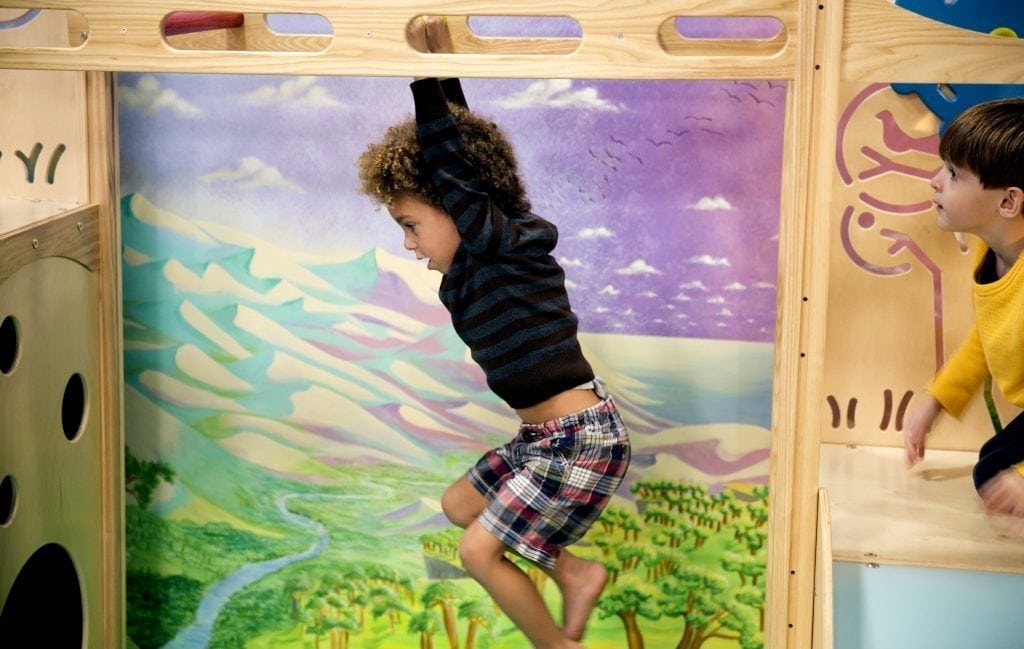
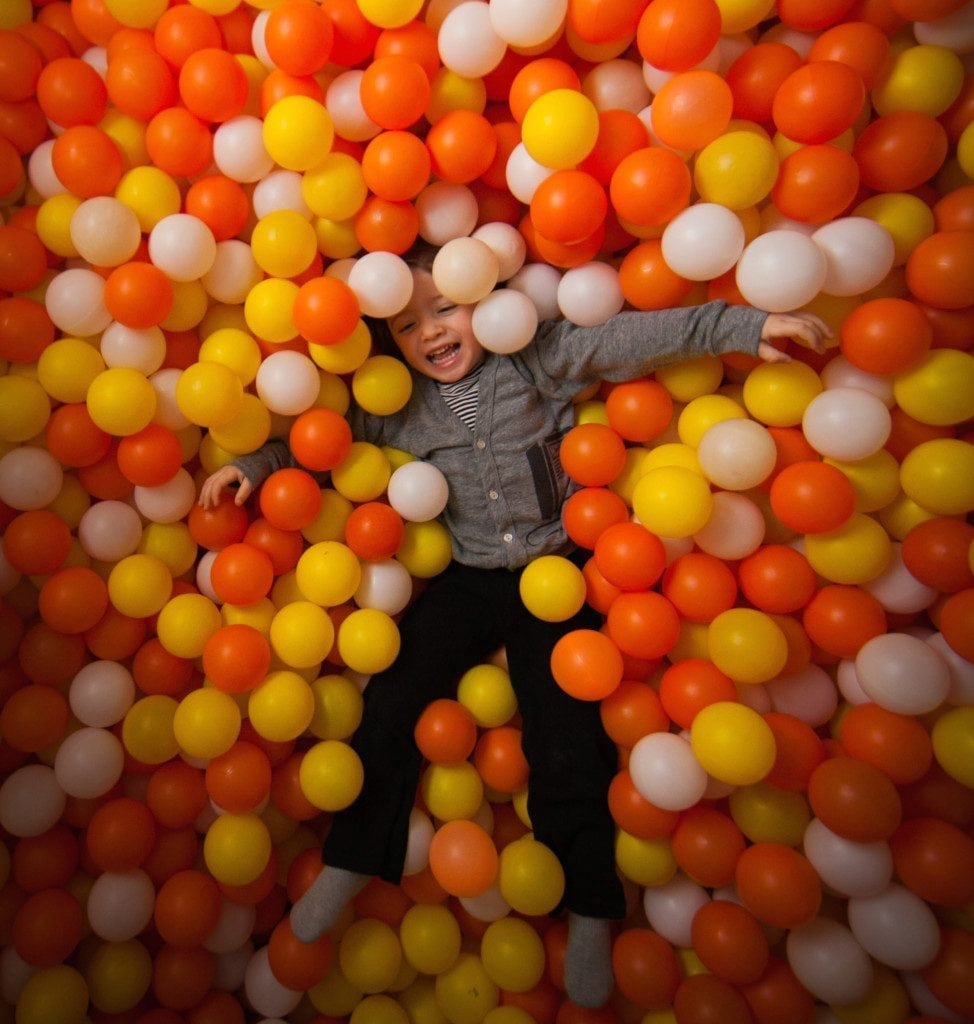

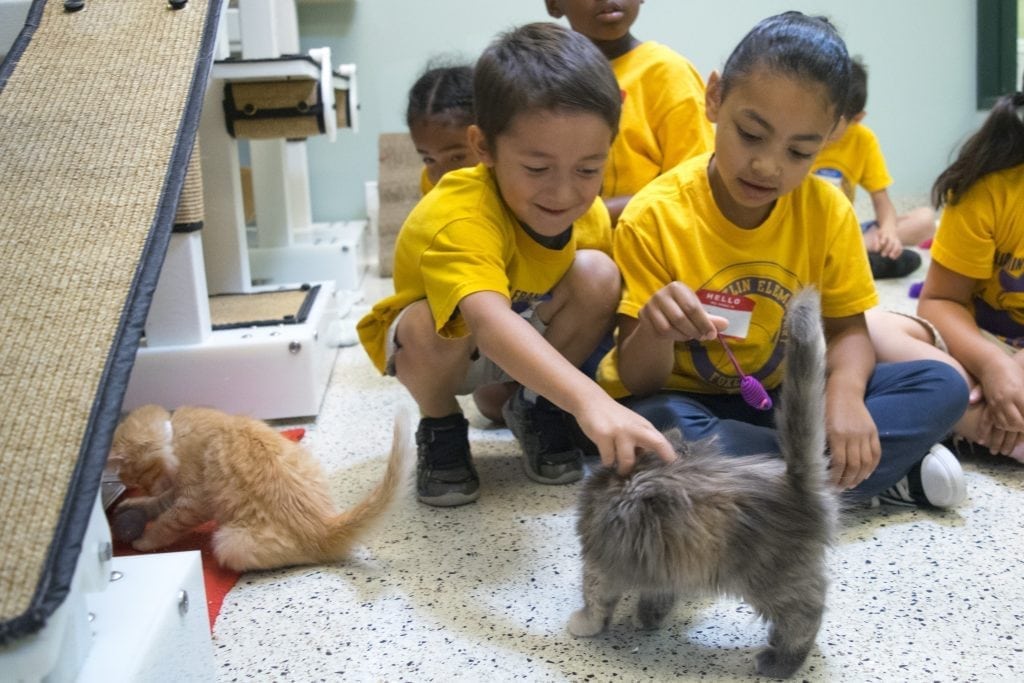




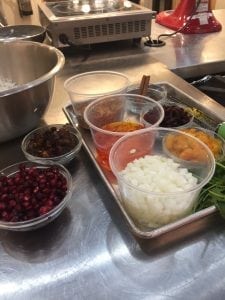

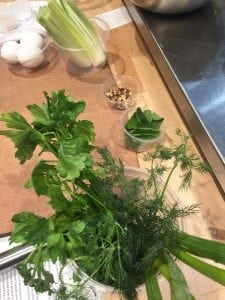
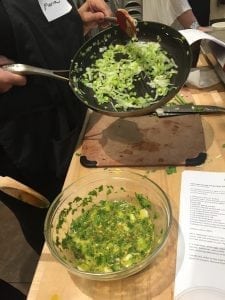


 Remember last year’s back to school photo? The kids wore big, happy grins and fresh haircuts. Inside their shiny new backpacks awaited orderly pencil cases and a homemade-with-love lunch filled with summer veggies and nothing processed.
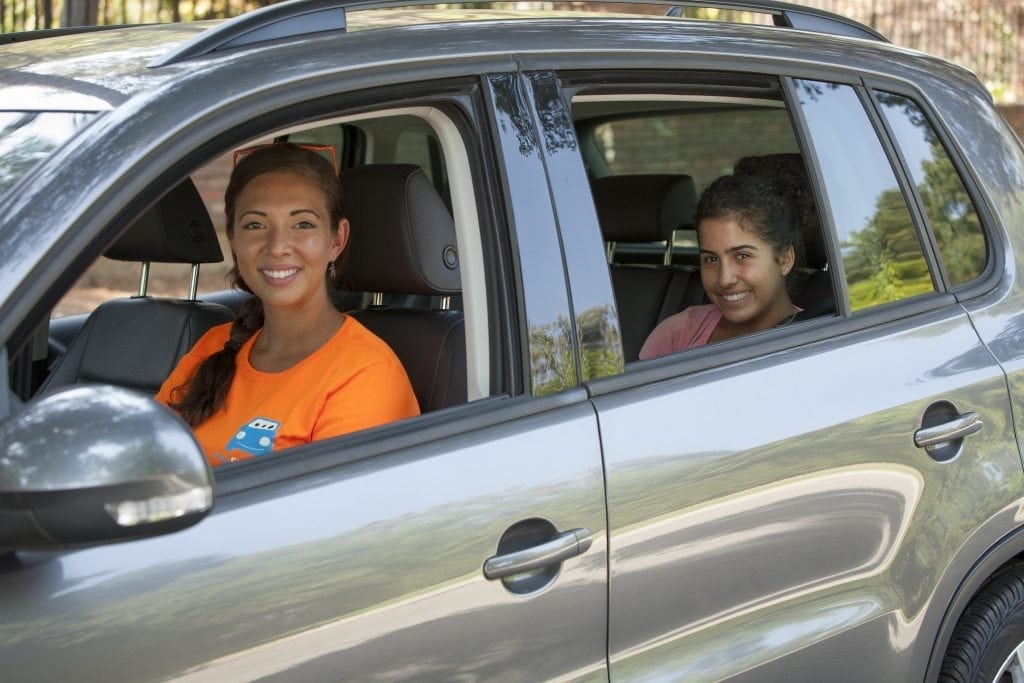 It’s high time we addressed the beast that lurks deep inside all of us: The drop-off-line parent.
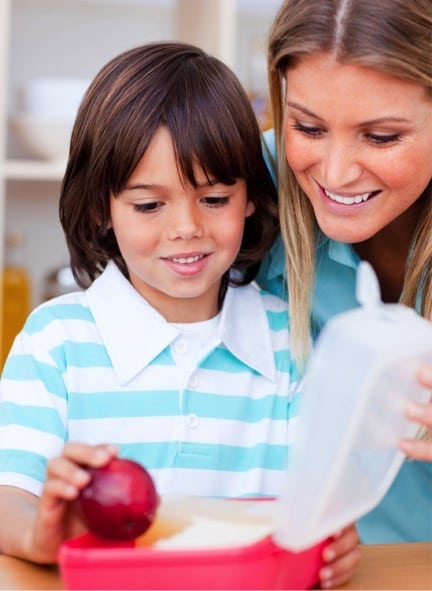 Those first few days back at school are the honeymoon period, but kids know it doesn’t take long before the dreaded “H” word starts popping up like a manic game of Whac-a-mole.
 “Learning to handle stress is probably one of the most important things we can do,” says Diana Winston, director of mindfulness education at

 Healthy, low-cost food options that are dorm-room friendly have been traditionally hard to come by, but “The Quick and Easy Vegetarian College Cookbook” from Adams Media offers more than 300 meals that fit the bill. Staying healthy amid the hustle and bustle of college life can be tough, but this recipe book offers delicious meals and snacks for even the busiest students.
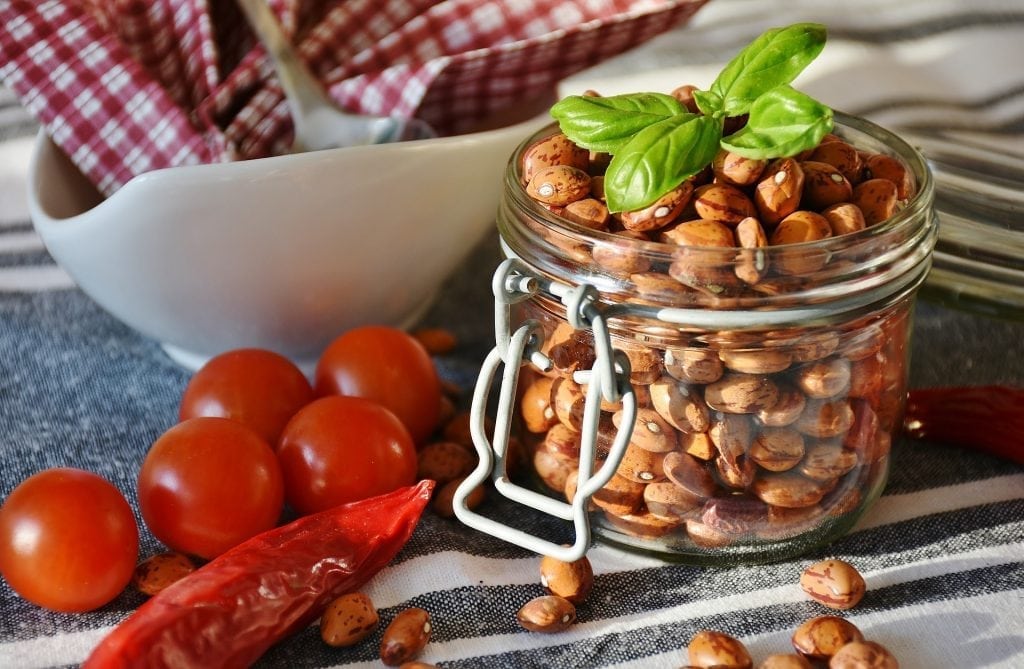 ¼ cup olive oil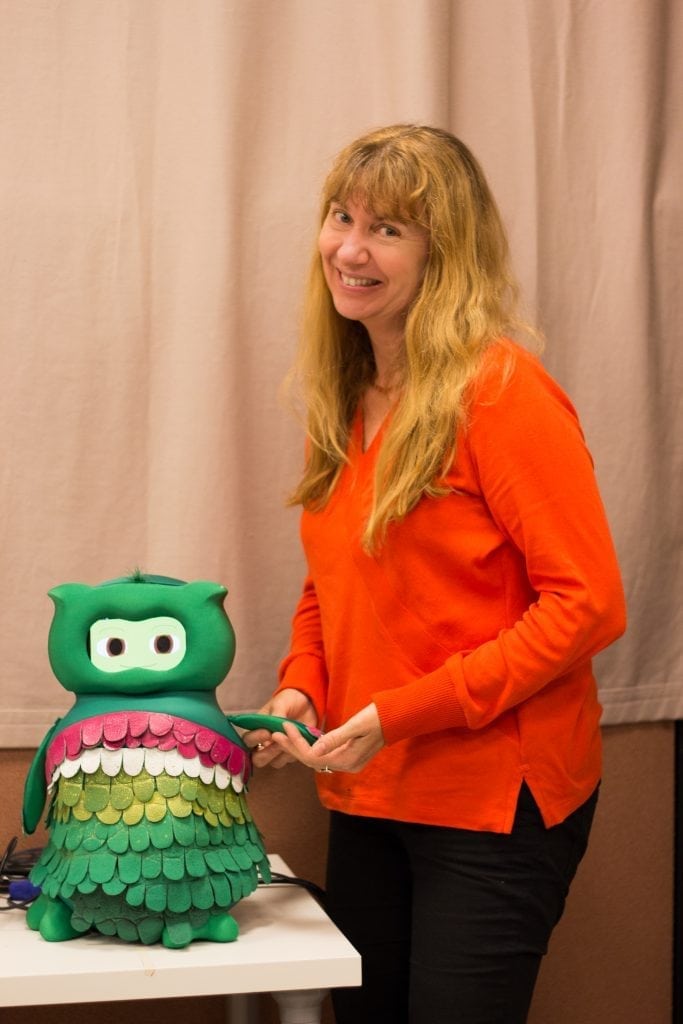


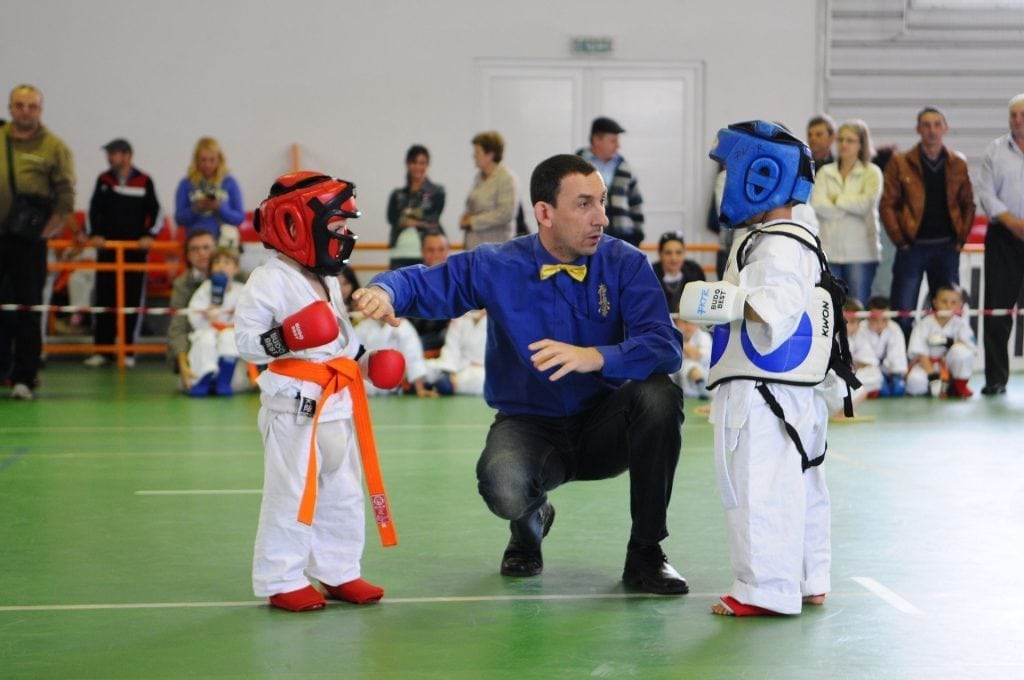 There is no question that team sports are amazing for the mind and body. So many important social skills are taught through working as a team and exercising the body.
 Tae Kwon Do/Karate
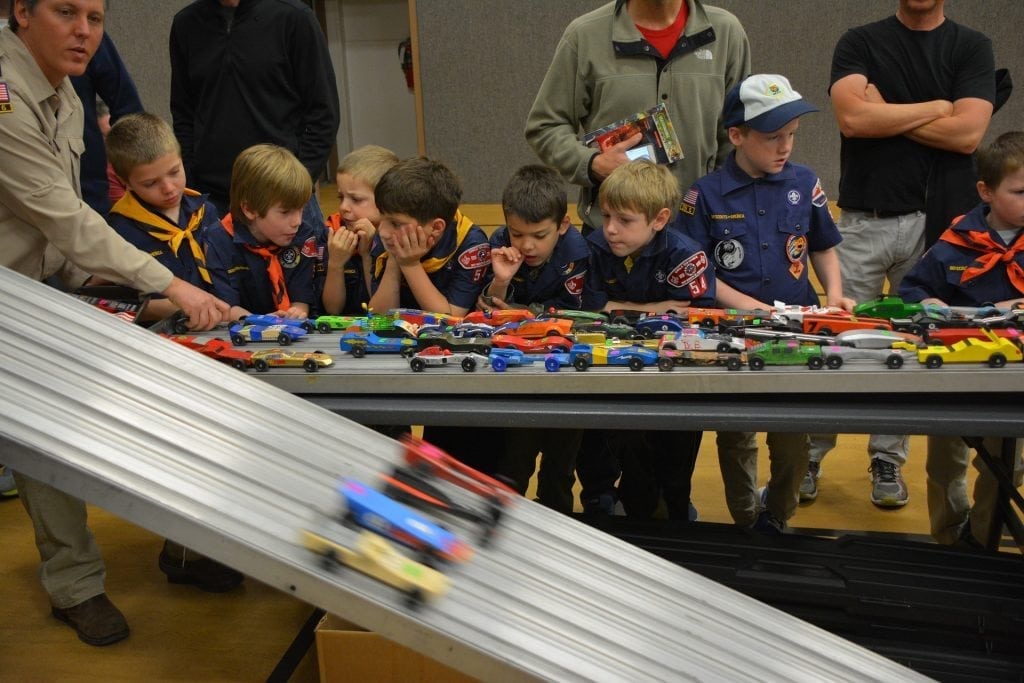 Students in these classes learn valuable tech skills and meet other kids with the same passion for computer development and games. Bonding over digital media can be a great catalyst for a friendship. One pitfall is if the computer is the only thing your child and his friend have in common. Even though many video games can be social and develop critical-thinking skills, because the child is still focused on the screen and not the person, things such as eye contact, body language and voice volume (how many kids scream at the games they play?!) are not developed. Take the kids out for ice cream afterward so they can talk face-to-face about what they did in class.
 many summertime social opportunities. And kids who go on to join a swim team have additional opportunities to connect.




 It can be tough to find healthy, kid-friendly recipes everyone in the family will actually like. Food writer Victoria Dwek knows firsthand how challenging this can be. In Dwek’s new book, “Secrets of Skinny Cooking,” co-created with nutritionist and dietitian Shani Taub, you’ll find more than 135 delicious recipes with tips and suggestions for cooking with even the pickiest of eaters in mind.
 Yields 12 pancakes


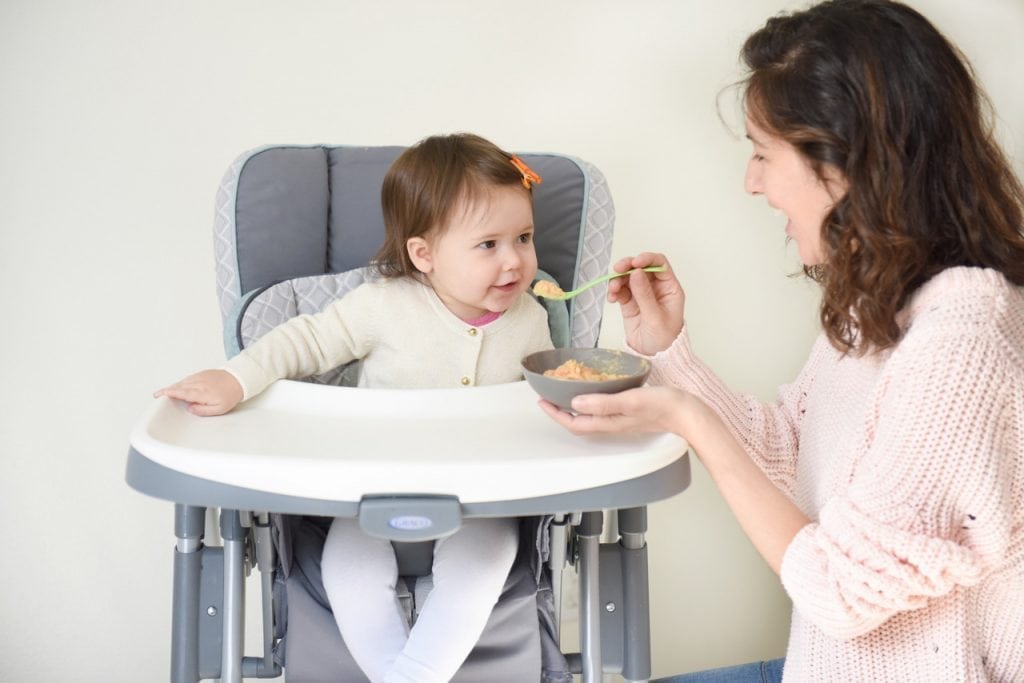
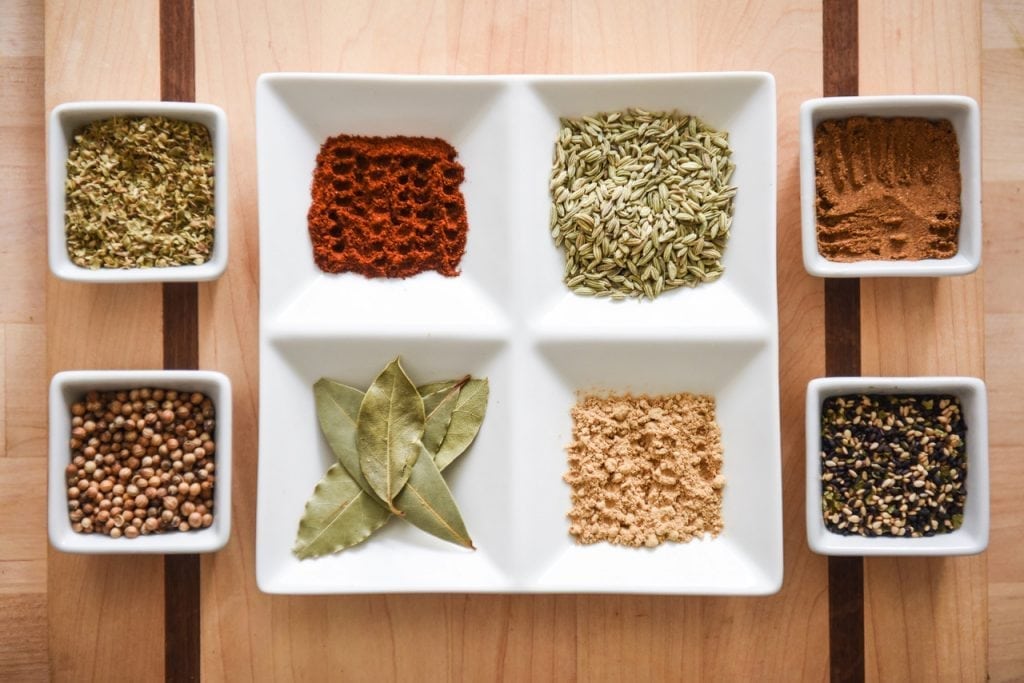 I am not saying ditch the supermarket and pre-packaged foods completely. But if you vary your baby’s diet, she or he can learn a love of travel – at least in a food sense – right from the beginning.
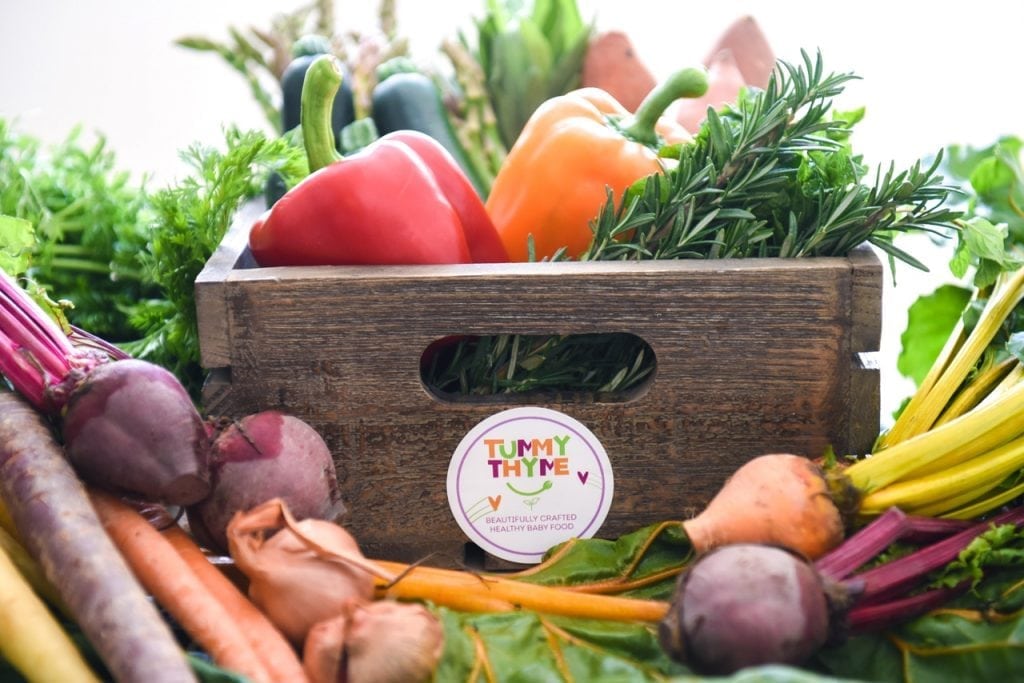 France: Many French pediatricians suggest feeding, babies as young as 5 months bouillon, or a thin vegetable soup, in a bottle mixed with milk. In order to develop their palates as they grow, young babies in France are also exposed to vegetables with many tastes and textures, including leeks, spinach and baby endive. French children have among the lowest incidence of childhood obesity in the world.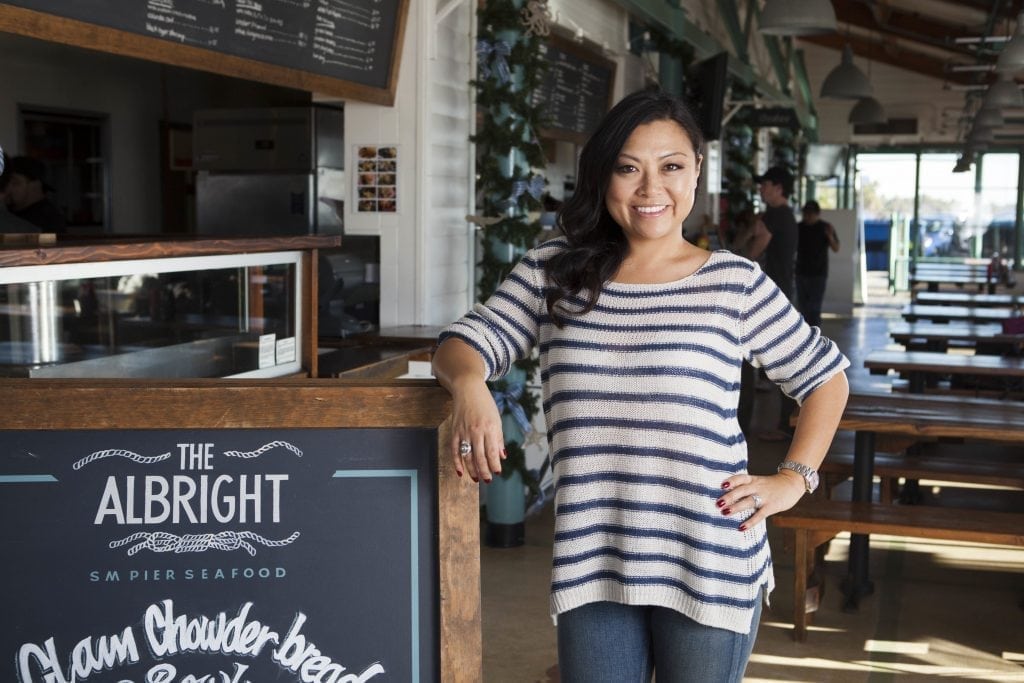
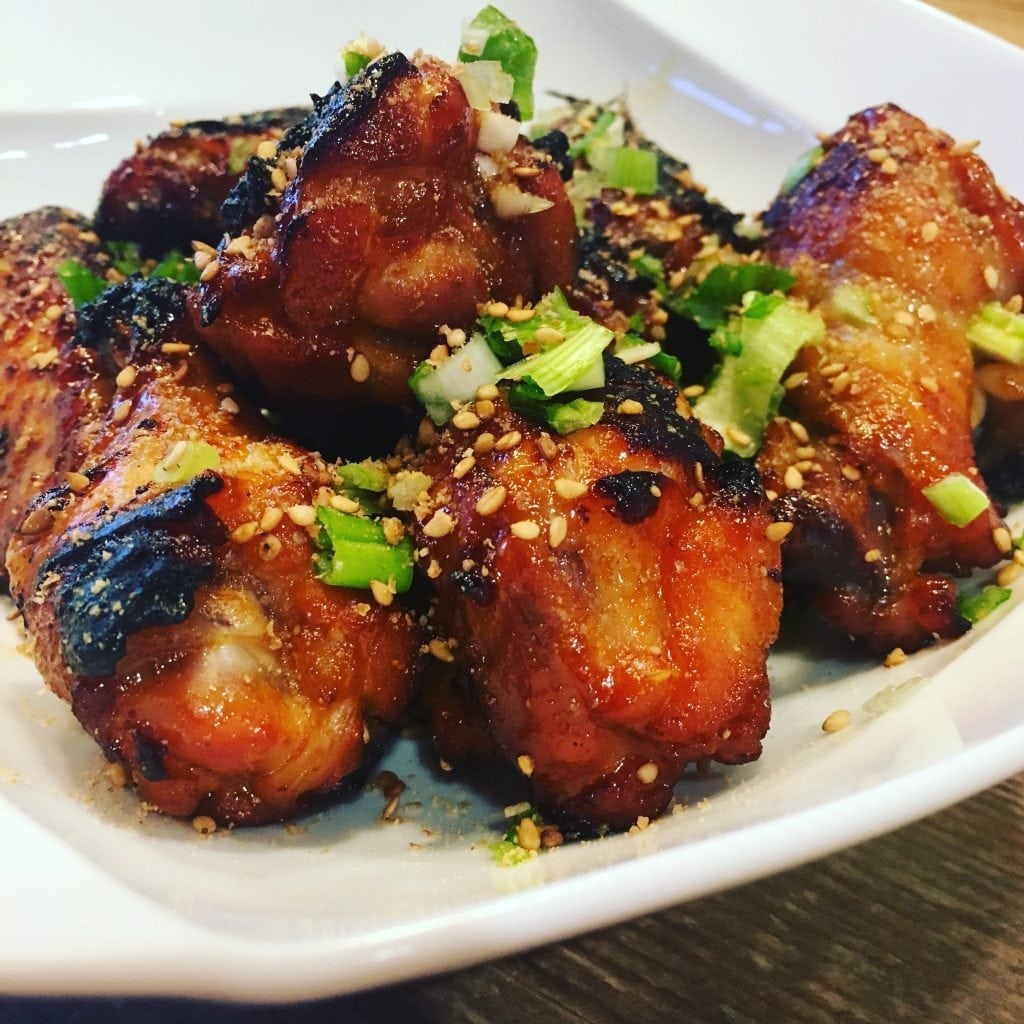 1 small Asian pear








 To many of us in and around Los Angeles, summer fun at the beach is an afterthought, only beckoning when the inland heat calls for relief. A friend from Studio City once referred to it as “the great A/C unit to the west.” Out-of-towners often accuse us of taking our 75 miles of Pacific coastline for granted. And they’re right.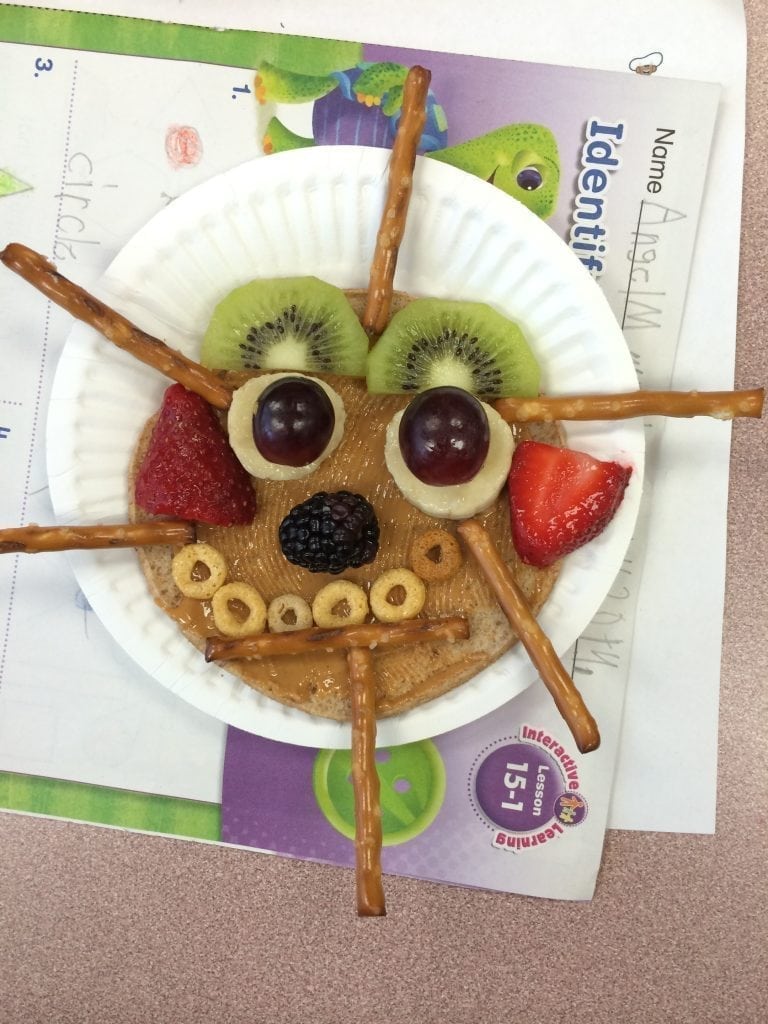
 While I was growing up, summer always meant warm nights, family fun and trips to the fair. Although I loved the rides, my favorite part was always the yummy food I could find there. In George Geary’s new recipe book, “Fair Foods—The Most Popular and Offbeat Recipes from America’s State and County Fairs” from Santa Monica Press, he highlights some classic goodies and new favorites. Geary is an award-winning chef and this spunky new recipe book is loaded with more than 120 recipes, plus fun photos that are just as exciting as you’d expect a fair to be.
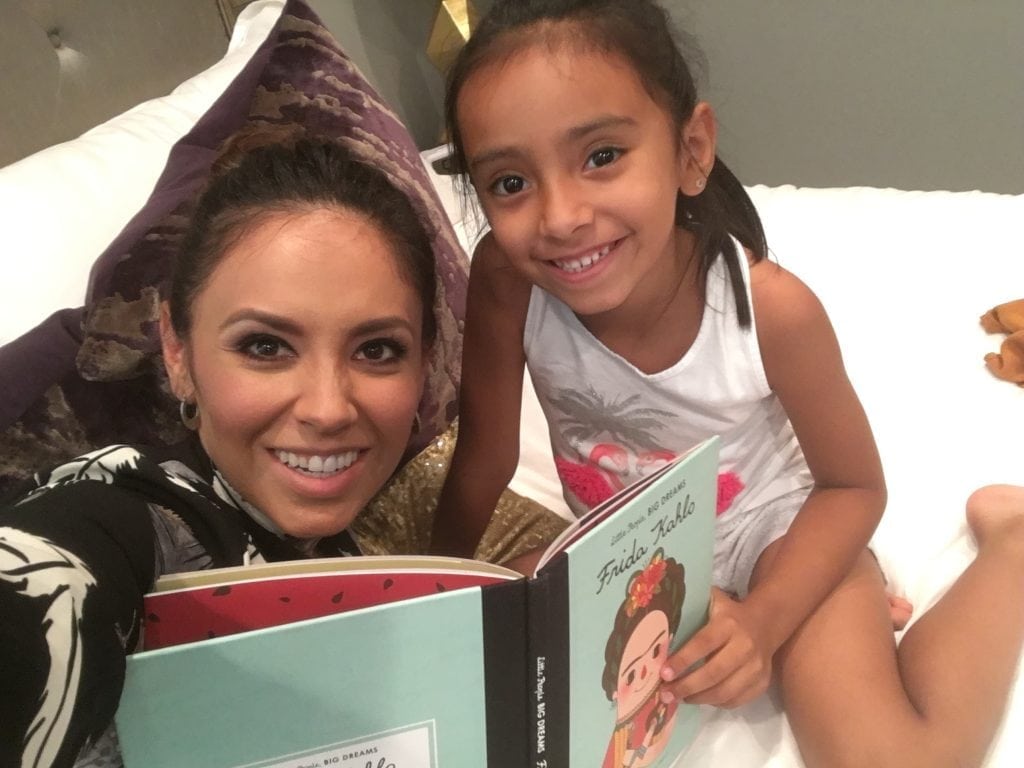 Like many parents, I’m guilty of turning to digital babysitting when I need a break and the kids want some summer fun. Television or cell phone games become my go-to when I need 15 to 20 minutes of peace and quiet after a long day. I know it might not seem like good parenting, but sometimes when survival mode kicks in, a little help from the television or cell phone is OK.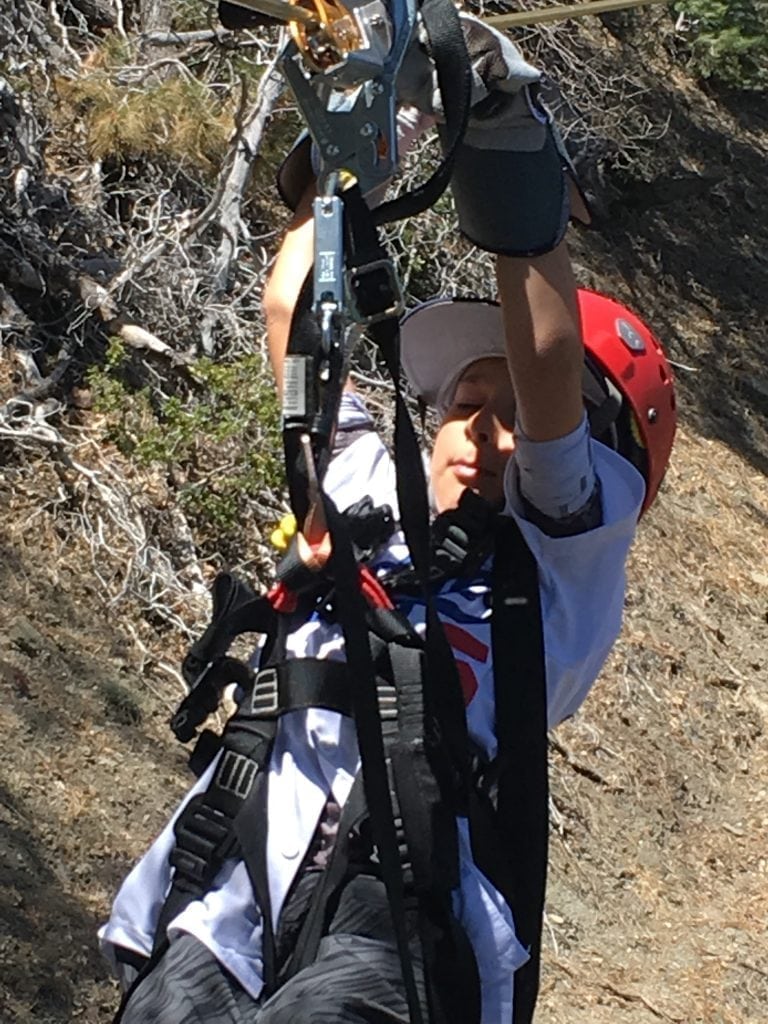





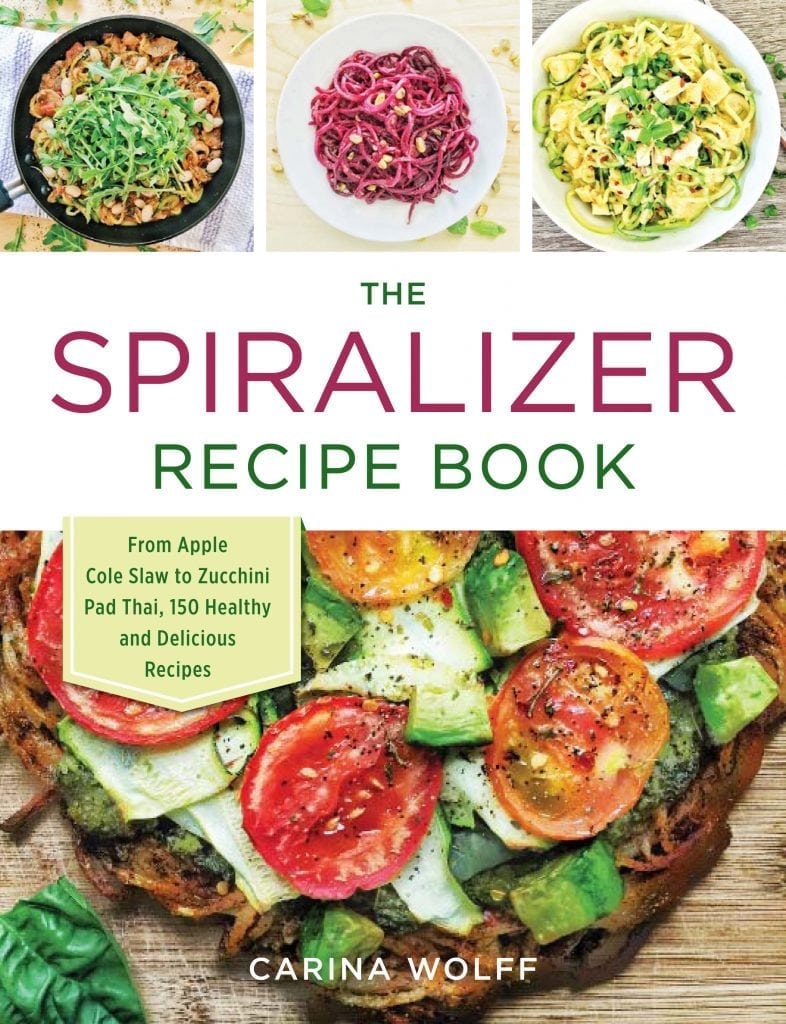 Looking for a fun, new way to bring more excitement into your family meals? “The Spiralizer Recipe Book,” by Carina Wolff, is sure to change up your dinnertime routine. It features 150 easy-to-make recipes the whole family is sure to love. Spiralizers are new, must-have kitchen gadgets that help turn healthy fruits and veggies into beautiful and creative meals. This new recipe book shows you just how easy it can be to use one.
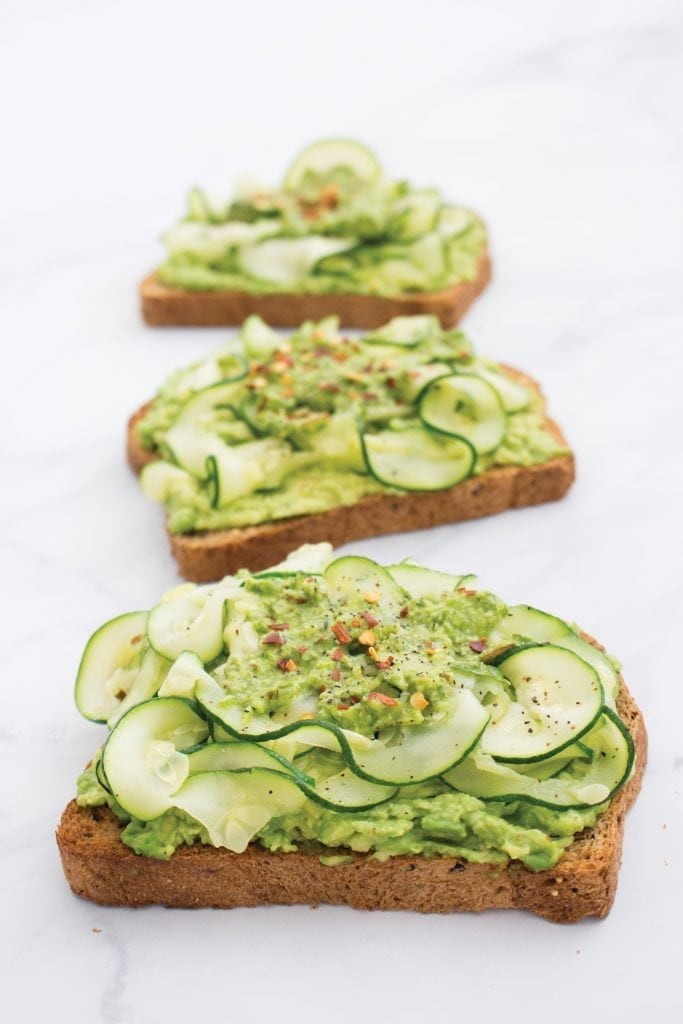 4 slices whole-grain bread
 Now that the academic school year has ended, students are ready to enjoy summer and all of the fun that it promises. Beach days, family vacations, swimming pools and waterparks; activities that bring fun memories, social time with friends and a highly anticipated break from the classroom.
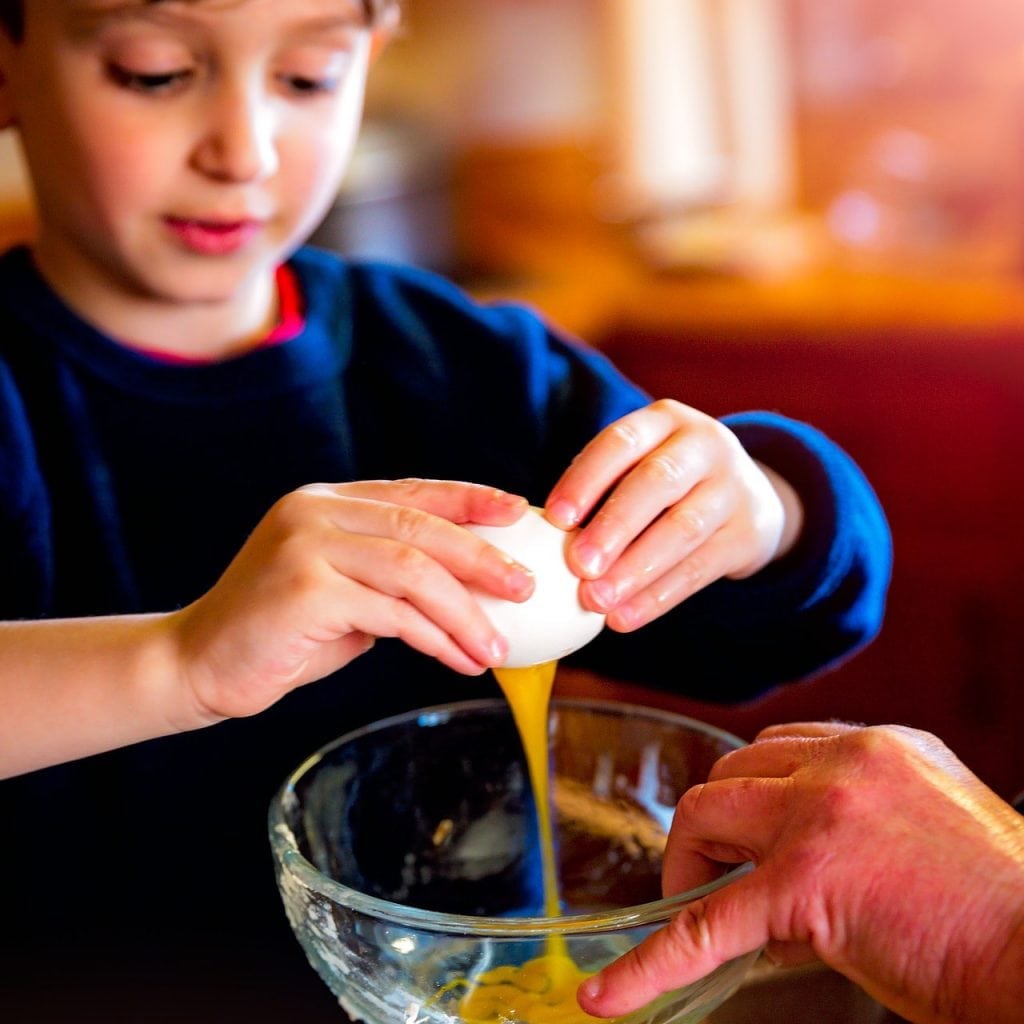 Well, here is the good news: Along with fun, summer can present an opportunity for parents to introduce children to new experiences, emotional development and creative learning, which may not be available to them during the school year. Here are some suggestions to help you bridge the summer gap for your children:
 Summer Programs – These can provide a variety of experiences that challenge children, develop their talents, keep them engaged and expand their horizons. Summer school sessions, camps, sports and other organized programs can be fun and beneficial to their educational retention from the previous year and prep them for the upcoming year. Of course, it’s a win-win for parents who work and need assistance with childcare.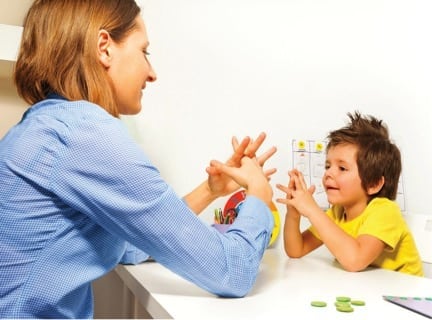

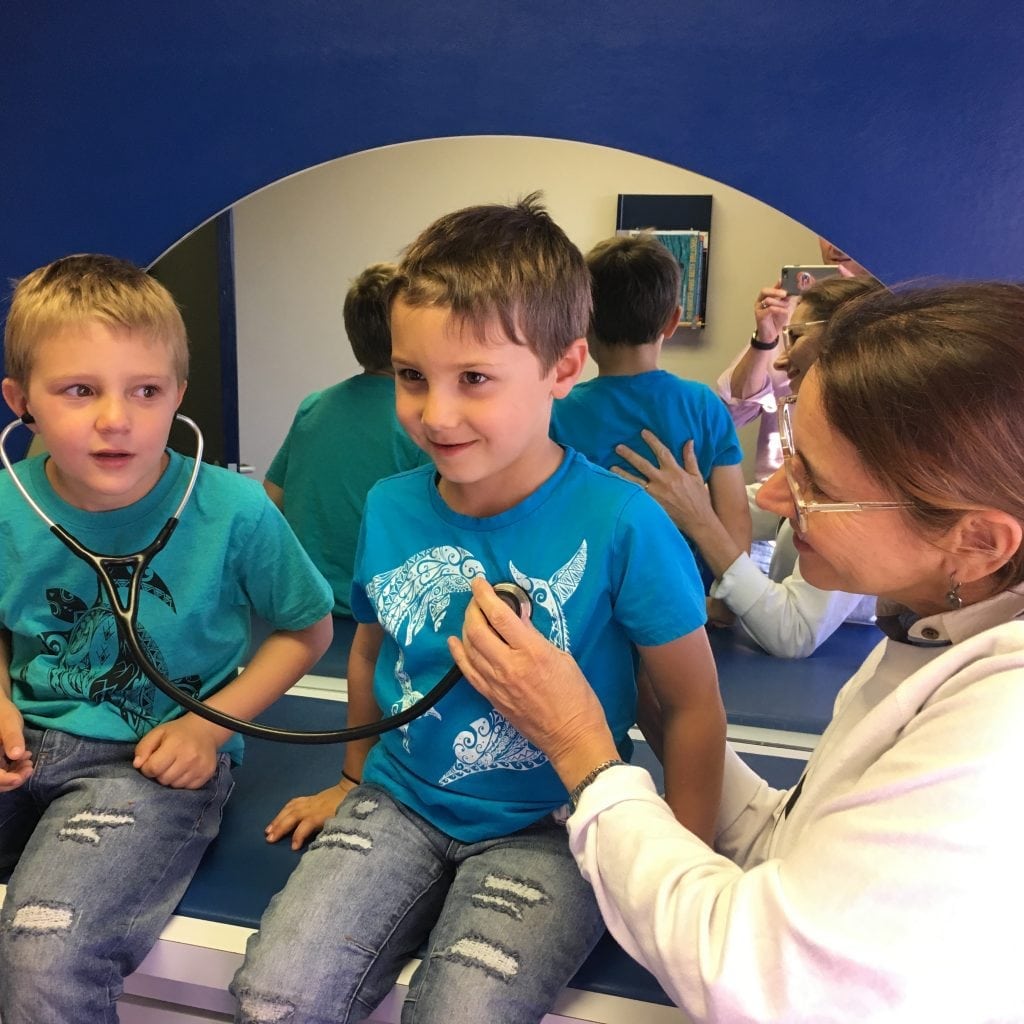 Parents looking for top-notch L.A. pediatricians can now consult the CHLA Health Network, a group of general pediatricians throughout Los Angeles who have affiliated with Children’s Hospital Los Angeles. The idea behind the network, officially announced in May, is to standardize the quality of care among these practices and give parents direct access to CHLA’s specialized care at the hospital’s main campus and partner hospitals – Providence Holy Cross Medical Center in Mission Hills, Providence Saint John’s Health Center in Santa Monica and Providence Tarzana Medical Center – as well as CHLA’s five outpatient care centers. Dr. Lisa Stern, pictured at left, practices in West Los Angeles and is one of 100 physicians who are currently part of the growing network. Parents can learn more at
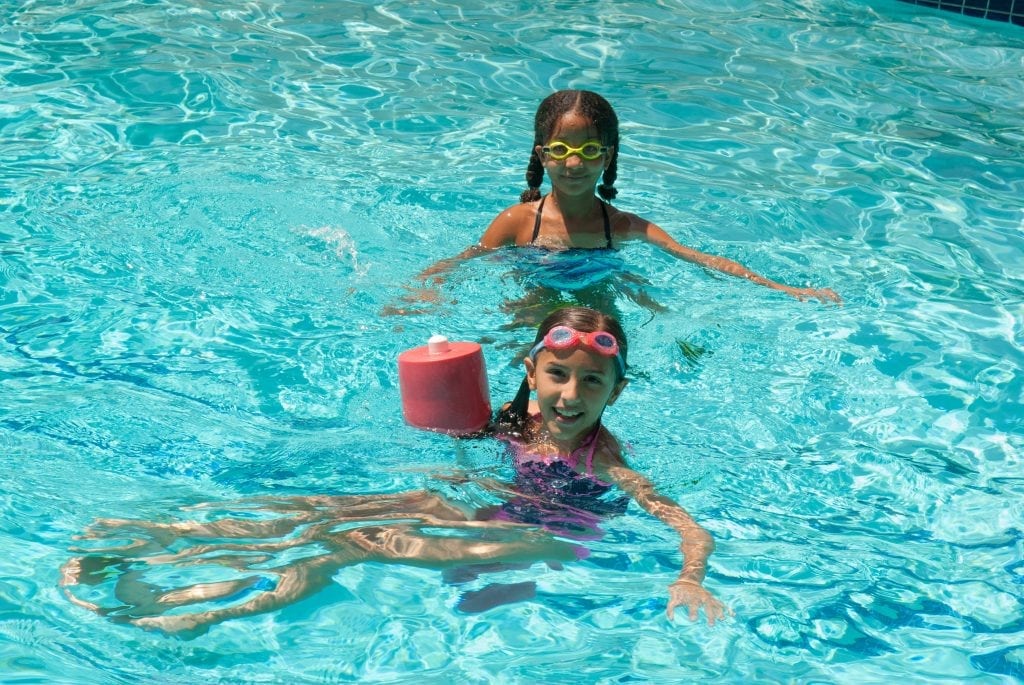
  At the beach or the pool this summer there are three letters parents should keep in mind: CPR. That’s because starting CPR immediately if someone is pulled from the water in cardiac arrest, rather than waiting for emergency responders to arrive, gives that person three times the chance of making a full recovery – avoiding coma, brain injury or even death – according to a study published in the June issue of Resuscitation. Joshua Tobin, M.D., lead author of that study, an associate clinical professor of anesthesiology at
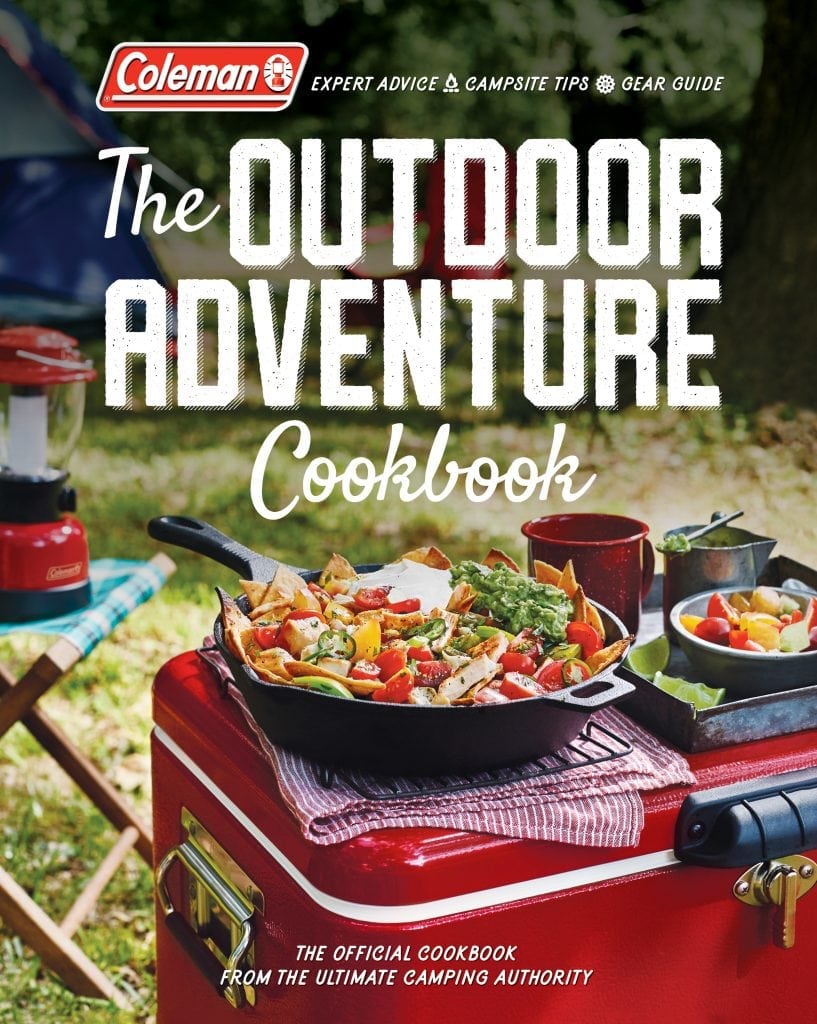 “The Outdoor Adventure Cookbook,” from camping-equipment company Coleman, is your go-to guide for a fun and stress-free camping experience and some great family recipes. The cookbook offers more than 100 recipes that make it a culinary campsite resource, and also outlines several tips and suggestions for creating the ultimate summertime outing.
 Serves 6
 Tantrums are a common childhood experience, particularly if you are parenting kids ages 18 months to 4. When a child begins yelling, crying, kicking, whining and complaining that is out of proportion to an incident or situation, it can be frustrating, uncomfortable or embarrassing for parents or caregivers – especially when this behavior is displayed outside the home in front of bystanders.
 Huma Pekcan, MA, MFTI, holds a Masters Degree in Clinical Psychology from Pepperdine University and is a registered MFTI 86843 in private practice supervised by Jaydee Tumambing Hughes MFC43060. She provides psychotherapy services to children, adolescents and adults in her private practice and runs groups about Mindful Parenting and Social Anxiety for adolescents and adults.
 If you love ice cream, you’ll really enjoy “Guilt-Free Nice Cream,” a new recipe book by Margie Broadhead featuring more than 70 delicious desserts that will have you astounded that no actual ice cream is involved. Broadhead, well known for her popular food blog “Made by Margie,” is a professional chef and owner of a catering company. In her book, she shows readers how to create recipes that not only resemble the traditional dessert, but also taste amazing. And you can feel good about eating them!
 Serves 1


 I’ve always wondered about kids’ obsession with Band-Aids. At my house, we go through about two boxes of Band-Aids a week, using them for every little mark my daughters get on their bodies. They try to mend everything with a Band-Aid – including holes in their socks – even though I’ve explained to my 5-year-old year old, Sofia, that colorful Band-Aids don’t fix everything. Or do they?
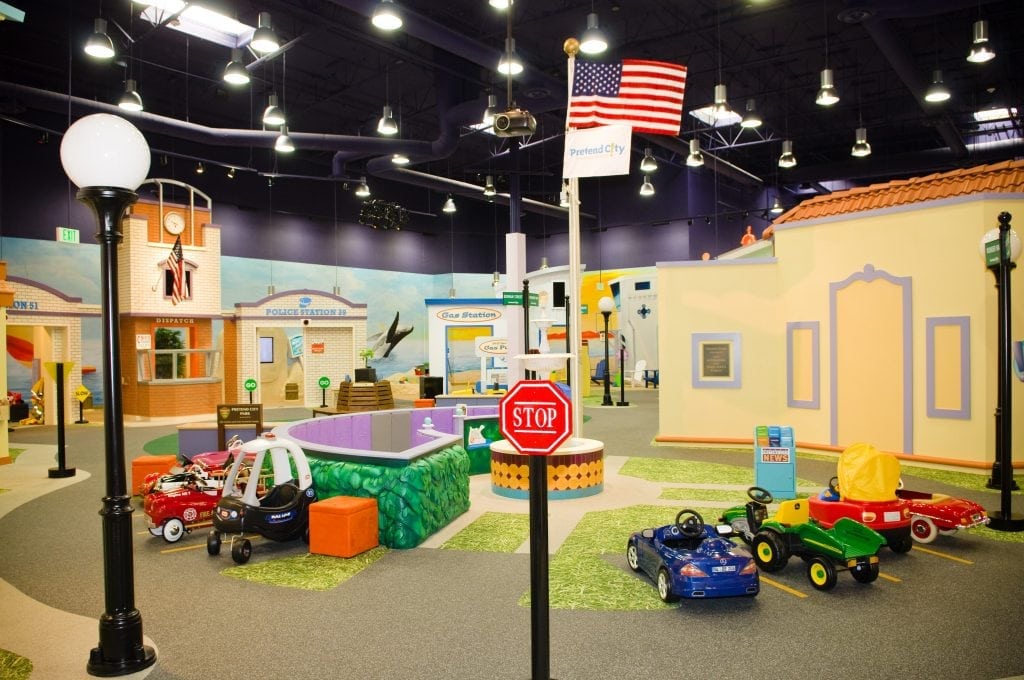
 The Bunny Museum (2605 N. Lake Ave., Altadena;



 Father’s Day is usually an occasion for children to celebrate with their parents. Children might make cards, write stories or invite their parents to school for special programs marking the importance of their parents in their young lives.



 ⅓ cup milk
 To kids, summer vacation means time off from school. To many parents, vacation of any kind seems like a luxury they can’t afford. But Krikor Deramerian, M.D., a pediatrician and “Wellness Champion” at
 Amanda Naor is an L.A.-based newborn and family photographer, but she isn’t a parent – not yet, anyway. She and her husband have been on an infertility journey that began in June of 2015 and she is determined to tell their story to call attention to the plight of couples who struggle to get pregnant.






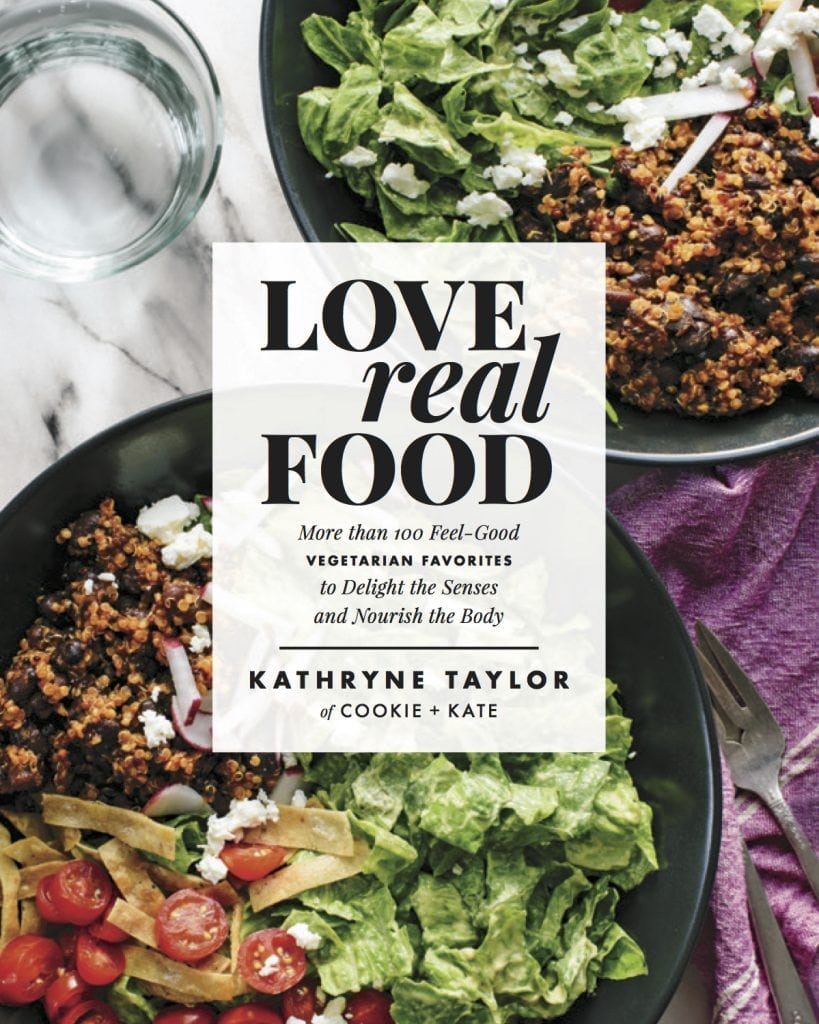 “Love Real Food,” by Kathryne Taylor, is a vegetarian cookbook that’s all about simple, flavorful and wholesome cooking. Taylor is the creator of the popular vegetarian blog, Cookie + Kate. In her debut cookbook, she brings us her 100 feel-good favorites.
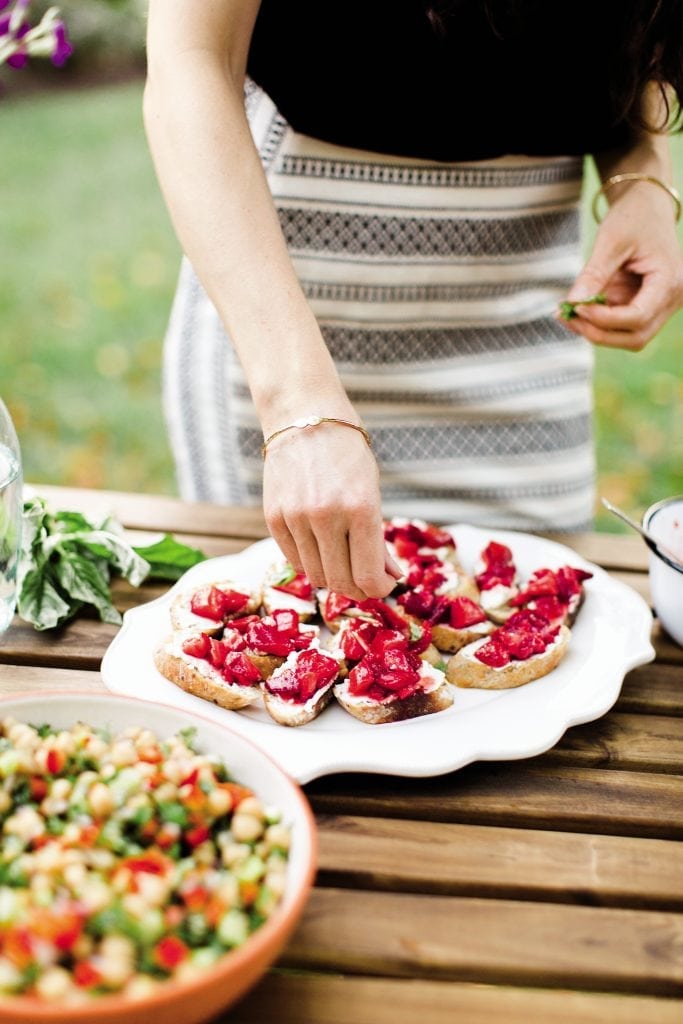 If you haven’t experienced roasted strawberries yet, you’ve been missing out—they’re sweet and jammy, like the inside of a strawberry pie. Roasted strawberries collide with tangy goat cheese and fresh basil to create this simple and sophisticated summertime appetizer. You could also serve these with a big green salad for a light summer meal.





 Our winter of beautiful rain might have ended the drought and turned our hillsides green, but it also means an increase in pollen and mold. Both can cause breathing trouble and put children’s health at risk – especially for those with allergies.
 Makes 12 muffins



 Finding one surefire approach to dating for people with disabilities is as difficult as nailing down one definition for disability. “People with disabilities are the biggest minority group in the United States,” says Trevor Finneman, a 32-year-old attorney with hearing loss. “There are so many different kinds of disabilities, and each one impacts each person differently.”







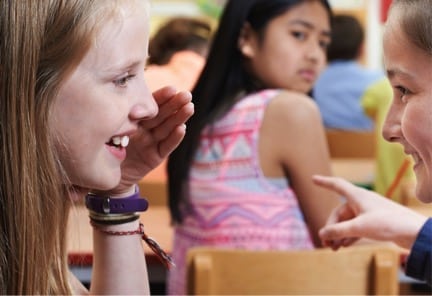 Eleventh grader Natalie Hampton had always loved school. That changed in seventh grade, when fellow students at the private all-girls L.A. middle school she attended began cyber bullying and taunting her, even physically attacking her on four occasions. She almost always ate lunch alone and developed migraine headaches and gastritis.
 To prevent mean-girl situations, a parent’s first job is to avoid stereotypes. “We, as adults, need to be careful not to fall prey to stereotypes about girls and women that may actually add to the problems,” says Johnson. “The stereotype that girls are mean, catty, manipulative, bossy and can’t get along means that when difficult situations come up, we may be tempted to say, ‘See, girls are just so mean.’ In fact, this is inaccurate. Yes, girls are sometimes mean, as are boys. But that’s not the whole story.”
 Recently, a mom I know lamented that her formerly talkative son became silent when he turned 13. “He used to tell me about everything,” she said sadly. “Now it’s hard to get two words out of him and he does not share his life with us at all.” Her comment reminded me that I had suddenly felt panic 16 years ago when I was six months pregnant and realized I might have a boy. “How will I raise him?” I asked my husband. “What will I do when he’s a teenager?”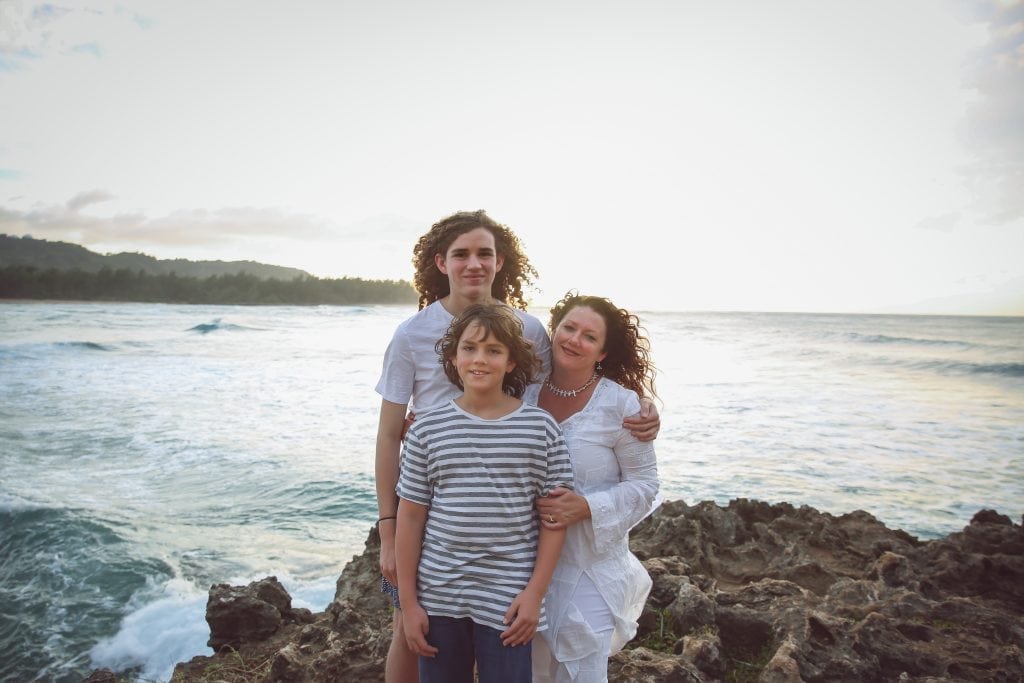

 It was Sept. 12, 2008, and I was scrambling through my house in Houston, trying to secure my family, check our emergency supplies and board up the windows while packing a duffle bag full of rain gear and non-perishable food so I could leave for Galveston Island and cover Hurricane Ike, a powerful storm approaching the Gulf Coast and expected to make landfall in less than 24 hours. The anxiety I felt that day made me realize how unprepared for an emergency my family was at home.

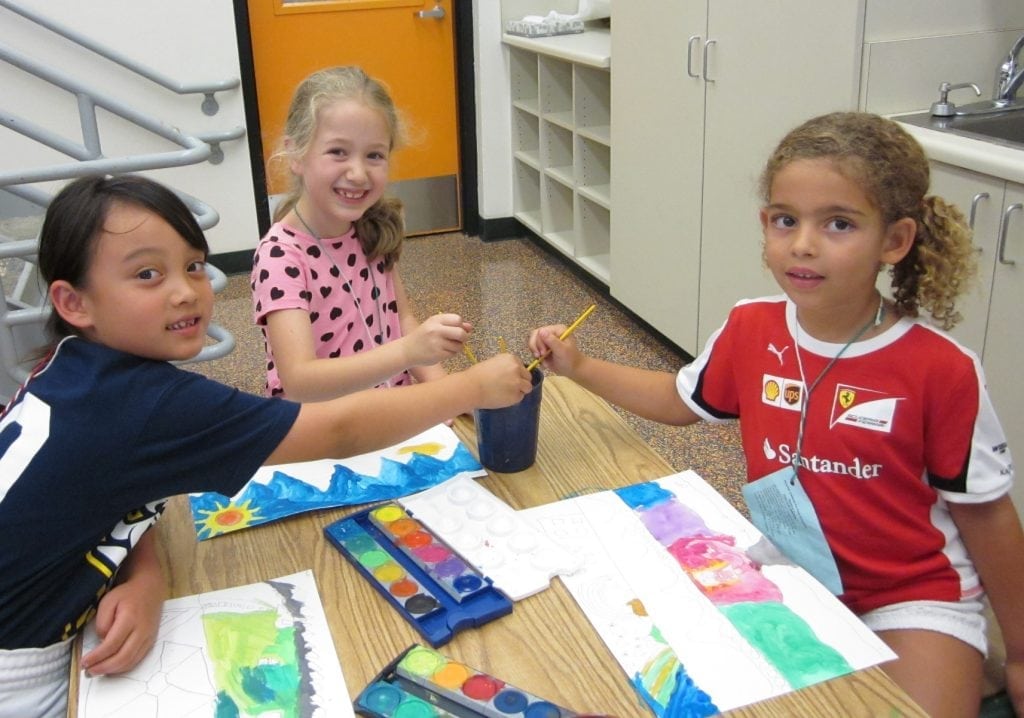


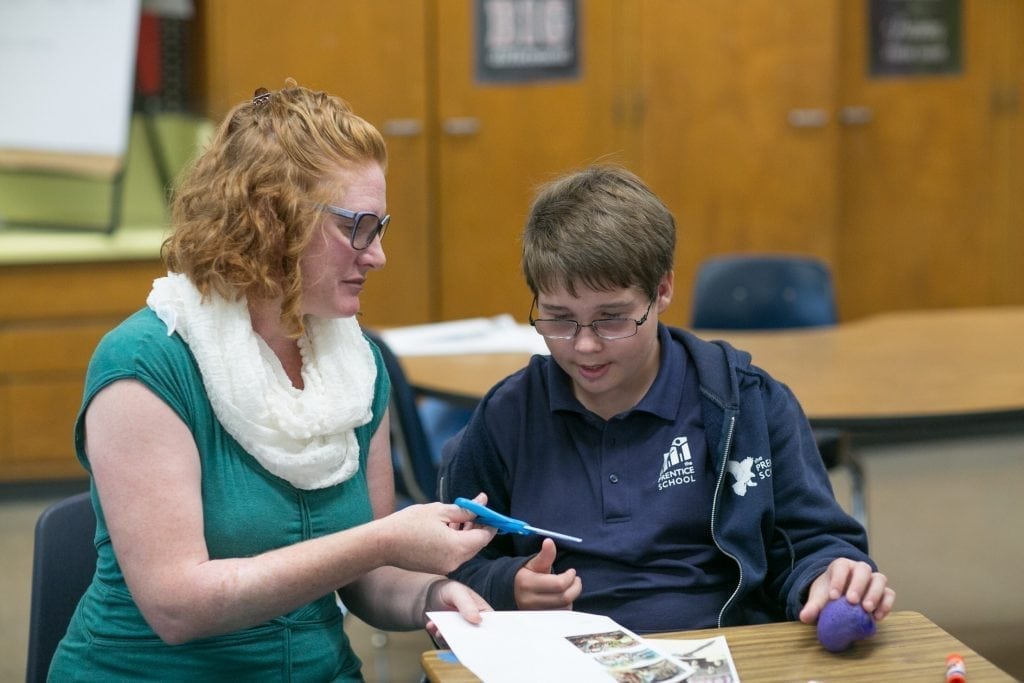
 The ultimate goal of targeted intervention should be to give students the skills and tools to function as independent learners with the most effective but least intrusive intervention – and the utmost support from teachers, specialists and family.